Psilocybin Therapy and Legality in the UK (2026 Guide)
Interest in psilocybin therapy has grown rapidly in recent years. From mental health research to policy debates, more people in the UK are asking: Is psilocybin therapy legal? And what does the future look like?
In this guide, we explain what psilocybin therapy is, the current legal status in the UK, and what ongoing research means for patients and the wider public.
What Is Psilocybin?
4
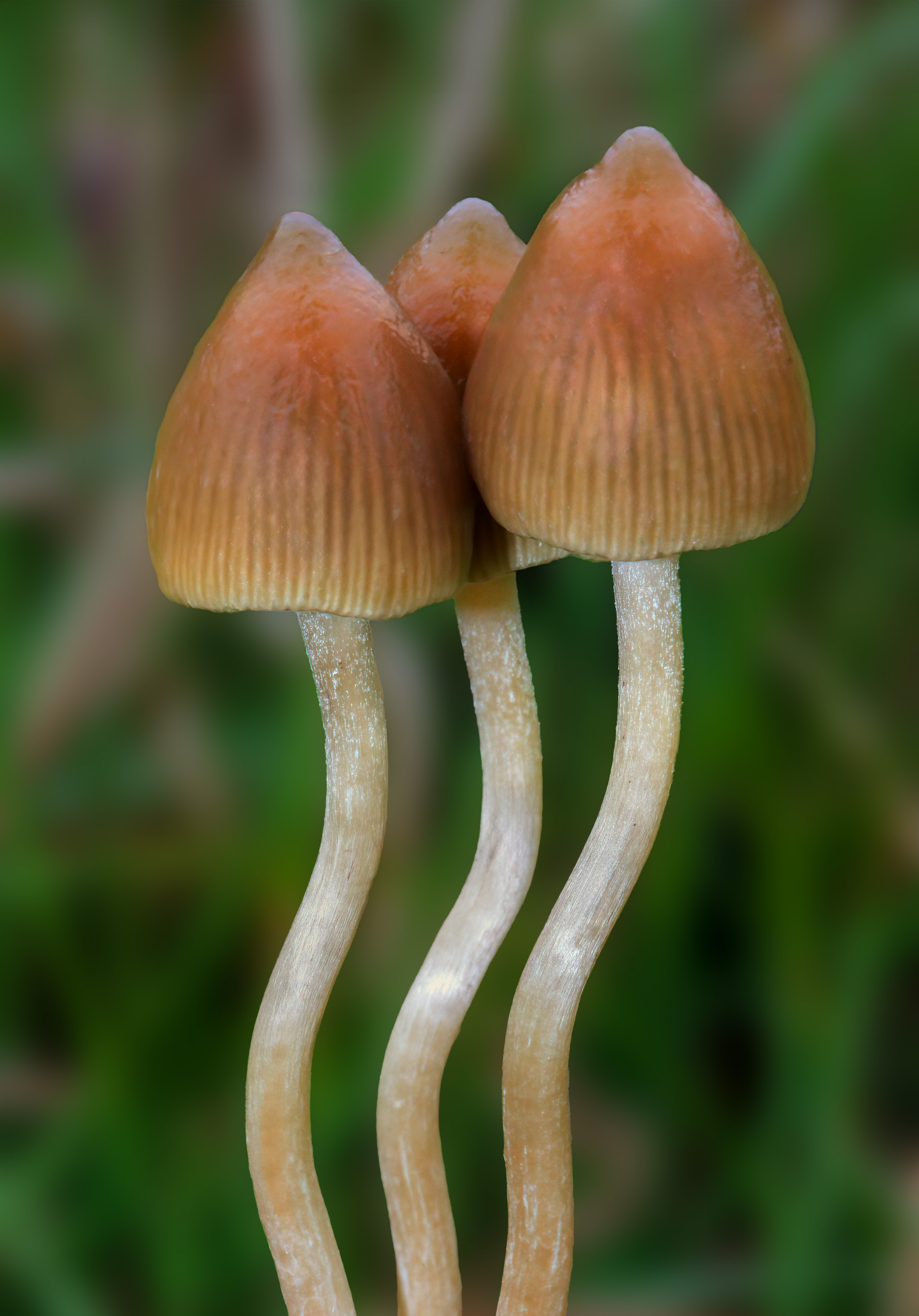
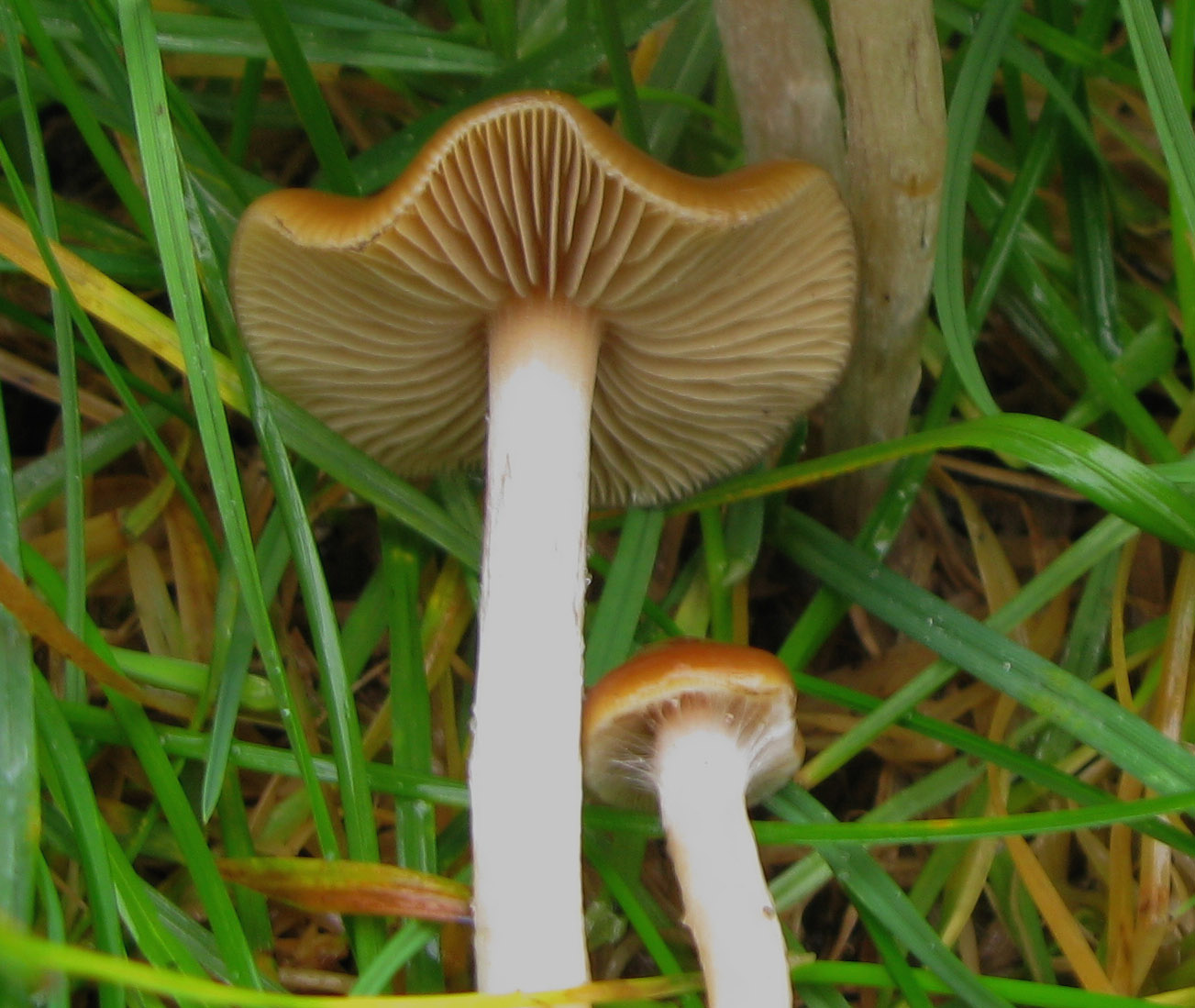
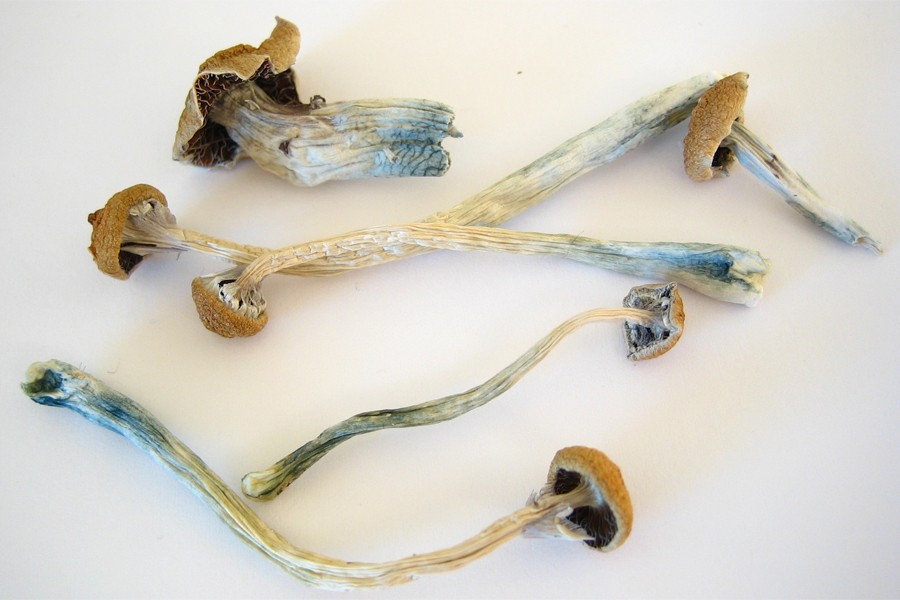
Psilocybin is a naturally occurring psychedelic compound found in certain species of mushrooms, often called “magic mushrooms.” When consumed, psilocybin converts into psilocin in the body, which affects serotonin receptors in the brain.
This interaction can alter:
- Mood
- Perception
- Thinking patterns
- Emotional processing
In controlled clinical settings, researchers are exploring psilocybin as a potential treatment for depression, PTSD, anxiety, addiction, and end-of-life distress.
What Is Psilocybin Therapy?
Psilocybin therapy is a structured therapeutic process that combines:
- Screening and preparation
- A supervised psilocybin session
- Integration therapy afterwards
Unlike recreational use, clinical psilocybin therapy is guided by trained professionals in a safe, controlled environment.
Major research institutions such as Imperial College London and Johns Hopkins University have conducted studies showing promising results for treatment-resistant depression and other mental health conditions.
However, research does not automatically mean legal access.
Is Psilocybin Legal in the UK?
Current Legal Status (2026)
In the United Kingdom, psilocybin is classified as a Class A drug under the Misuse of Drugs Act 1971.
This means:
- Possession is illegal
- Sale or supply is illegal
- Production is illegal
- It is considered to have no recognised medical use under UK law
Penalties can include fines and imprisonment.
Importantly, both fresh and dried psilocybin mushrooms are illegal in the UK.
Can You Access Psilocybin Therapy in the UK?
At present, psilocybin therapy is not legally available as a general medical treatment in the UK.
Access is limited to:
- Approved clinical trials
- Licensed research settings
Outside of these tightly regulated studies, offering or receiving psilocybin therapy is unlawful.
Why Is Research Expanding Despite Illegality?


4
Although psilocybin remains illegal, scientific research is expanding globally. Early trials suggest potential benefits for:
- Treatment-resistant depression
- Major depressive disorder
- PTSD
- Alcohol dependence
- Smoking cessation
For example, studies at Imperial College London have shown significant symptom reduction in some patients with severe depression.
Because of these findings, policymakers and medical professionals are debating whether the current classification reflects scientific evidence.
Could Psilocybin Become Legal in the UK?
There are increasing calls to:
- Reschedule psilocybin for medical use
- Allow prescription-based psychedelic therapy
- Expand licensed clinical access
Other countries and regions have already begun reform:
- Australia permits limited medical psilocybin prescriptions
- Some US states have legal therapeutic frameworks
However, as of 2026, no such framework exists in the UK.
Legal reform would require changes to the Misuse of Drugs Regulations 2001 and broader drug policy review.
Risks and Considerations
Even in research settings, psilocybin therapy is not suitable for everyone.
Potential risks include:
- Psychological distress during sessions
- Increased anxiety or paranoia
- Risk for individuals with psychotic disorders
- Legal consequences outside clinical trials
Self-medication carries additional risks due to lack of screening, dosage control, and professional support.
The Future of Psilocybin Therapy in Britain
The UK is currently one of the world leaders in psychedelic research. Institutions such as King’s College London and University College London are contributing to neuroscience and psychiatric studies.
While legality has not changed, public opinion and scientific evidence are evolving.
The most likely future scenario includes:
- Expanded clinical trials
- Possible medical rescheduling
- Strict prescription-only access
- Highly regulated therapeutic frameworks
Full recreational legalisation appears unlikely in the near term.
Final Thoughts
Psilocybin therapy shows promising potential for mental health treatment. However, in the UK it remains a Class A controlled substance, and therapy is only accessible within approved research trials.
Always stay informed about current UK law and never assume research equals legal access.
3 Responses
[…] However, despite increasing scientific interest, psilocybin remains a Class A and Schedule 1 substance in the UK as of 2026. (Magic Mushrooms Shop) […]
[…] In the United Kingdom, psilocybin and psilocin are classified as Class A controlled substances under the Misuse of Drugs Act 1971. This means that possessing, producing, supplying, or cultivating psychedelic mushrooms is illegal. Both fresh and dried psilocybin-containing mushrooms fall under these restrictions. (Magic Mushrooms UK & Europe) […]
[…] Outside regulated studies, psilocybin therapy remains unlawful under current UK regulations. (Magic Mushrooms UK & Europe) […]