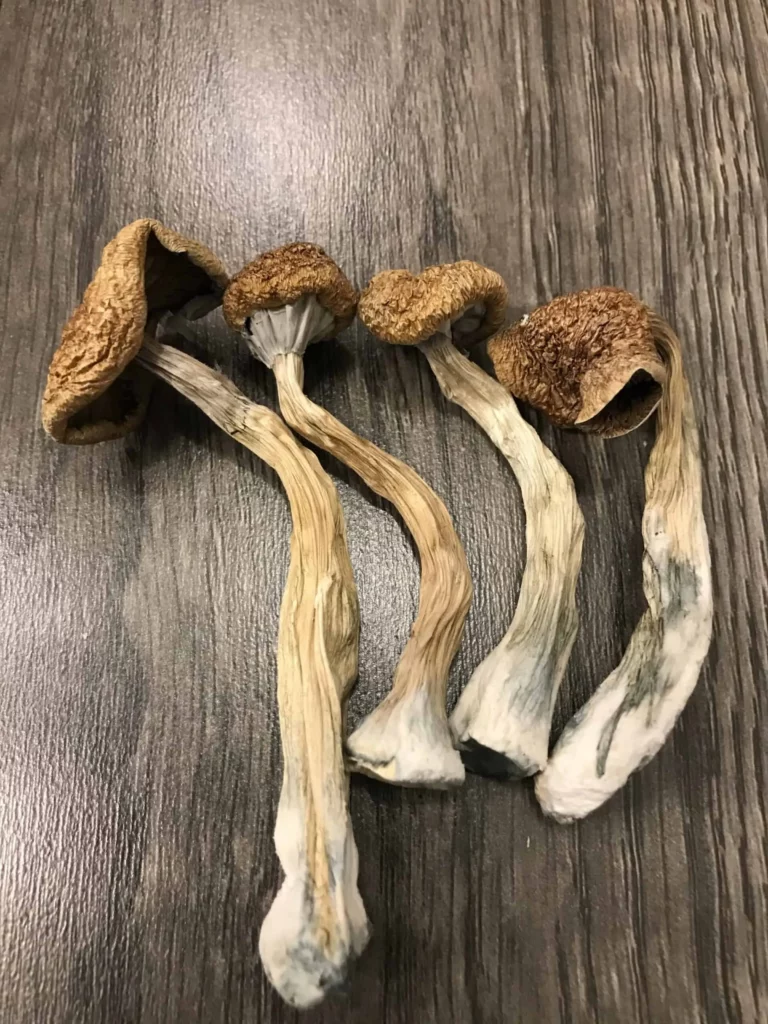
Mushroom Spores: A Complete Beginner’s Guide
If you’re new to the world of fungi, you’ve likely come across the term mushroom spores. These microscopic particles are essential to the life cycle of mushrooms and play a key role in cultivation, research, and study. In this guide, we’ll break down everything you need to know about mushroom spores in a simple.
What Are Mushroom Spores?
Mushroom spores are tiny reproductive cells produced by fungi. Think of them as the fungal equivalent of seeds in plants. Each spore contains the genetic material needed to grow into a new mushroom under the right conditions.
Spores are released from the gills, pores, or teeth of mature mushrooms and spread through air, water, or contact with animals and surfaces.
How Do Mushroom Spores Work?
The life cycle of a mushroom begins with spores. When a spore lands in a suitable environment—typically one that is moist and rich in organic material—it can germinate and form thread-like structures called hyphae. These hyphae grow and eventually form a network known as mycelium.
When conditions are ideal, the mycelium produces fruiting bodies, which are the mushrooms we see above ground. These mushrooms then release more spores, continuing the cycle.
Types of Mushroom Spores
There are thousands of mushroom species, and their spores vary in:
- Color (white, brown, purple, black)
- Shape (round, elliptical, or elongated)
- Size (microscopic but species-dependent)
Spore prints are often used to identify different mushroom species. This involves placing a mushroom cap on a surface and allowing spores to fall, creating a visible pattern.
Common Uses of Mushroom Spores
1. Microscopy and Research
Mushroom spores are widely used for educational and scientific purposes. Researchers study their structure, genetics, and behavior under a microscope.
2. Taxonomy and Identification
Spore characteristics help mycologists classify and identify different fungi species.
3. Cultivation (Where Legal)
In regions where it is permitted, spores can be used to grow mushrooms. However, legality varies depending on location and species, so always check your local laws.
Are Mushroom Spores Legal?
The legality of mushroom spores depends on your country and local regulations. In many places, spores themselves do not contain active compounds, making them legal for research or collection purposes. However, germination or cultivation may be restricted or illegal.
Important: Always verify the laws in your area before purchasing or using mushroom spores.
How to Store Mushroom Spores
Proper storage ensures spores remain viable for longer periods. Follow these tips:
- Keep spores in a cool, dark place
- Store in airtight containers
- Avoid exposure to heat, light, and moisture
- Refrigeration can extend shelf life
When stored correctly, spores can remain viable for months or even years.
Tips for Beginners
If you’re just getting started with mushroom spores:
- Start with basic research and microscopy
- Learn how to make and read spore prints
- Always maintain clean and sterile conditions
- Purchase spores from reputable sources
Why Quality Matters
High-quality spores are essential for accurate study and successful outcomes. Poor-quality spores may be contaminated or non-viable, leading to disappointing results.
For trusted and carefully sourced options, visit:
👉 https://magicmushroomery.com/shop/
Final Thoughts
Mushroom spores are fascinating, complex, and essential to fungal life. Whether you’re studying them under a microscope or exploring their role in nature, understanding spores opens the door to a deeper appreciation of fungi.
As you explore further, remember to prioritize safety, legality, and quality in everything you do.
No Responses