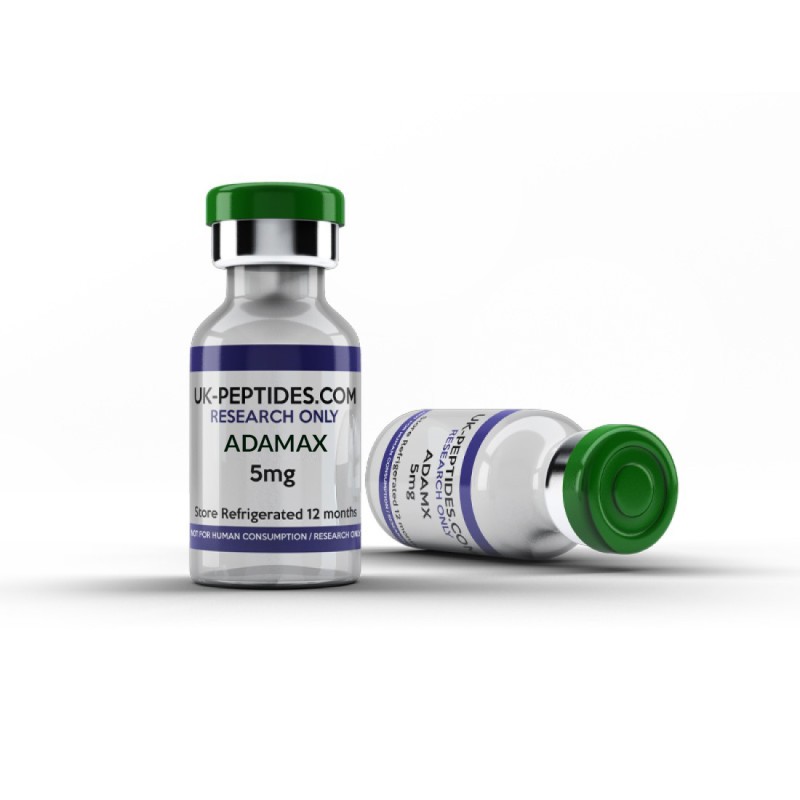
Where to Buy Peptides in the UK (2026 Guide)
If you’re searching for where to buy peptides in the UK, you’re not alone. Interest in peptides has grown rapidly in recent years, especially among researchers, fitness enthusiasts, and biohackers. However, navigating the UK market can be confusing due to strict regulations, quality concerns, and the number of online suppliers.
In this guide, we’ll break down everything you need to know—from legality and safety to how to choose a trusted supplier.
What Are Peptides?
Peptides are short chains of amino acids that act as building blocks of proteins. They play a key role in many biological processes and are widely studied for their potential applications in:
- Muscle growth and recovery
- Fat loss
- Anti-aging research
- Hormonal regulation
- Skin health
Because of their powerful biological effects, peptides are typically sold for research purposes only in the UK.
Are Peptides Legal in the UK?
This is one of the most important questions.
In the UK:
- Peptides are generally legal to buy for research purposes
- They are not approved for human consumption unless prescribed as licensed medicines
- Selling peptides as supplements or for personal use is restricted
This means you should only purchase peptides from suppliers that clearly label their products as “research chemicals” and comply with UK regulations.
Where to Buy Peptides in the UK
When looking for a reliable supplier, quality and transparency are critical. Here are the main options:
1. UK-Based Research Chemical Suppliers
These companies operate within the UK and typically offer faster shipping and clearer compliance with local regulations.
Pros:
- Faster delivery times
- Lower risk of customs issues
- UK regulatory awareness
Cons:
- Often more expensive
- Limited product range
2. International Peptide Suppliers
Some buyers choose overseas vendors due to wider selection and competitive pricing.
Pros:
- Larger variety of peptides
- Lower prices in some cases
Cons:
- Risk of customs delays or seizure
- Variable quality standards
3. Online Specialty Stores
Some online platforms offer curated selections of research compounds, including peptides, with an emphasis on quality and discreet shipping.
For example, you can explore curated product listings here:
👉 https://magicmushroomery.com/shop/
When choosing an online store, always verify their credibility before purchasing.
How to Choose a Trusted Peptide Supplier
Not all suppliers are created equal. Use this checklist to ensure you’re buying from a reputable source:
✅ Third-Party Lab Testing
Look for suppliers that provide Certificates of Analysis (COA) from independent labs.
✅ Purity Levels
High-quality peptides should have purity levels of 98% or higher.
✅ Transparent Information
A trustworthy website should clearly display:
- Product descriptions
- Storage instructions
- Research-use disclaimers
✅ Customer Reviews
Check independent reviews and forums—not just testimonials on the supplier’s website.
✅ Secure Payment & Shipping
Ensure the site uses secure payment gateways and offers discreet, trackable shipping.
Red Flags to Avoid
Be cautious if you see:
- Peptides marketed for human consumption
- No lab testing or documentation
- Prices that seem too good to be true
- Poor website design or lack of contact information
These are common signs of low-quality or unreliable vendors.
Popular Peptides People Search For
While availability varies, some commonly researched peptides include:
- BPC-157
- TB-500
- CJC-1295
- Ipamorelin
- Melanotan II
Always ensure you understand the legal and research context before purchasing any of these compounds.
Final Thoughts
Finding where to buy peptides in the UK comes down to doing your research and choosing quality over convenience. Stick with suppliers that prioritize transparency, lab testing, and compliance with UK regulations.
Remember: peptides sold online are typically intended for research purposes only, and it’s important to use them responsibly and legally.
Disclaimer
This article is for informational purposes only. It does not constitute medical or legal advice. Always follow UK laws and consult a qualified pr
No Responses