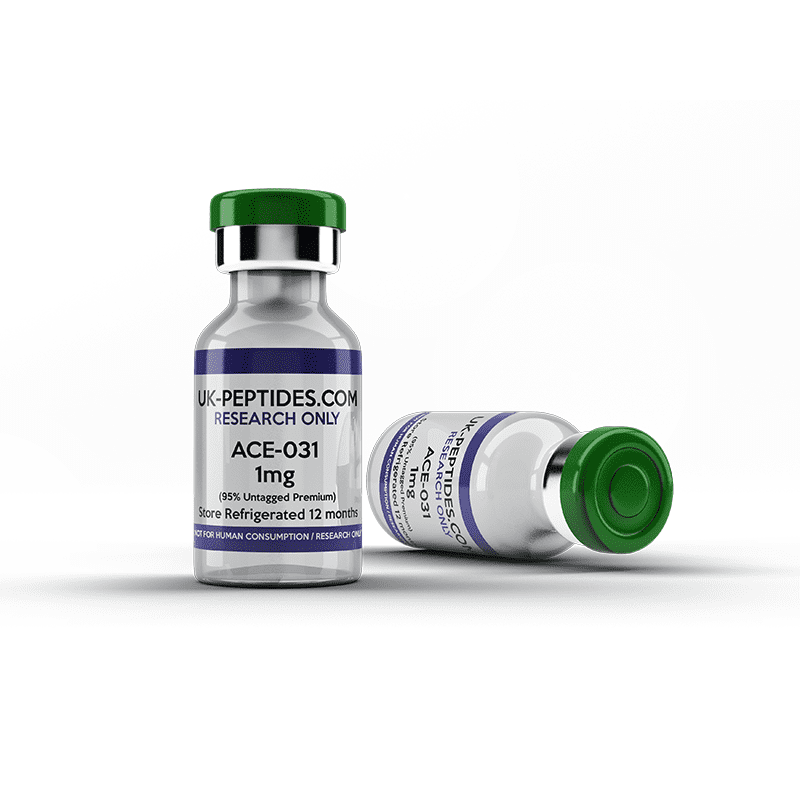
Are Peptides Safe? A Complete Guide for Beginners
Peptides have become a hot topic in the health, fitness, and wellness world. From muscle growth to anti-aging benefits, they are often marketed as powerful compounds with wide-ranging effects. But one important question remains: Are peptides safe?
In this article, we’ll break down what peptides are, how they work, their potential benefits, risks, and what you should know before using them.
What Are Peptides?
Peptides are short chains of amino acids, which are the building blocks of proteins. Your body naturally produces peptides, and they play essential roles in biological processes such as:
- Hormone regulation
- Immune function
- Tissue repair
- Metabolism
Some peptides are also synthesized in labs for medical or research purposes.
How Do Peptides Work?
Peptides act as signaling molecules in the body. They bind to receptors on cells and trigger specific responses. For example:
- Some peptides stimulate the release of growth hormone
- Others help regulate appetite or inflammation
- Certain peptides are used in skincare to improve collagen production
Because of their targeted action, peptides are often considered more precise than many traditional drugs.
Potential Benefits of Peptides
Peptides are studied and used for a variety of purposes, including:
1. Muscle Growth and Recovery
Some peptides may support muscle repair and improve recovery time after workouts.
2. Anti-Aging Effects
Certain peptides promote collagen production, helping reduce wrinkles and improve skin elasticity.
3. Fat Loss
Some peptides may influence metabolism and help the body burn fat more efficiently.
4. Improved Healing
Peptides can play a role in wound healing and tissue regeneration.
Are Peptides Safe?
The safety of peptides depends on several key factors:
1. Type of Peptide
Not all peptides are the same. Some are FDA-approved for medical use, while others are experimental or sold as research chemicals.
2. Dosage and Usage
Incorrect dosing can increase the risk of side effects. Following proper guidelines is essential.
3. Source and Quality
Low-quality or contaminated peptides can pose serious health risks. Always ensure you are purchasing from reputable suppliers.
4. Medical Supervision
Using peptides without professional guidance can be risky, especially if you have underlying health conditions.
Possible Side Effects
While many peptides are generally well-tolerated, some users may experience:
- Skin irritation at injection sites
- Water retention
- Increased hunger
- Hormonal imbalances
- Fatigue
In rare cases, more serious complications can occur, especially with misuse or unregulated products.
Legal and Regulatory Considerations
Peptides exist in a gray area in many countries. Some are approved for medical use, while others are restricted to research purposes only.
Before purchasing or using peptides, it’s important to:
- Check local laws and regulations
- Verify product labeling and intended use
- Avoid unverified or illegal substances
Tips for Safe Use
If you’re considering peptides, keep these safety tips in mind:
- Consult a qualified healthcare professional
- Start with low doses
- Monitor your body’s response
- Avoid mixing multiple compounds without guidance
- Purchase only from trusted sources
Final Thoughts
So, are peptides safe? The answer is it depends.
Peptides can offer promising benefits, but their safety largely depends on the type, quality, dosage, and how they are used. While some peptides are well-researched and medically approved, others remain experimental and should be approached with caution.
If you’re exploring wellness products or supplements, always prioritize safety, transparency, and informed decision-making.
For more insights on wellness, supplements, and research compounds, visit:
👉 https://magicmushroomery.com/shop/
No Responses