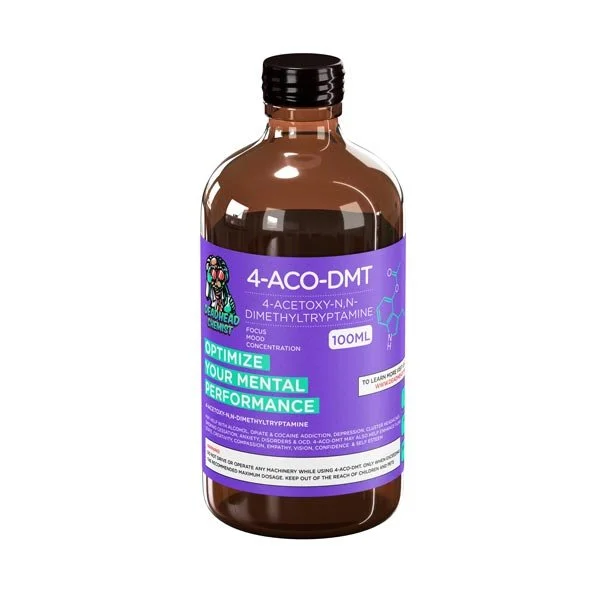
Description
Understanding Microdosing: The Basics
Definition of Microdosing
How Microdosing Differs from Full Doses
Common Substances Used in Microdosing
Although many substances can be used for microdosing, the trendy trio usually includes LSD, psilocybin mushrooms, and DMT. Each offers its own unique flavor of consciousness alteration. DMT, specifically, is gaining popularity as more aficionados seek to tap into its profound, albeit brief, insights without diving headfirst into the deep end of the mystical pool.
The Science Behind DMT and Its Effects
Chemical Composition of DMT
DMT, or N,N-Dimethyltryptamine, is a naturally occurring tryptamine derived from various plants and animals. Its structure is closely related to serotonin, a neurotransmitter that plays a key role in mood regulation and perception. With just a couple of methyl groups added, voila, you’ve got a potent psychedelic that can lead to a wild metaphysical ride.
Neuroscience of DMT: How It Interacts with the Brain
DMT works its magic primarily by binding to serotonin receptors in the brain, particularly the 5-HT2A receptor—think of it as the bouncer at the club that decides who gets in (and who doesn’t). This interaction alters perception, mood, and cognition, leading to the fantastical experiences often reported by users. It’s like flipping a switch that turns on the brain’s imaginative faculties, albeit with a side of “what on earth just happened?”
Short-Term vs. Long-Term Effects
In the short term, DMT use can lead to vivid hallucinations, altered thought processes, and a sense of interconnectedness that leaves users pondering the nature of reality. Long-term effects are less clear, with anecdotal reports suggesting potential benefits such as increased creativity and emotional insight. However, scientific studies are still playing catch-up, making it a bit like waiting for the next season of your favorite show—there’s a lot of speculation and hope, but not much concrete evidence just yet.
The Role of a Chemist in DMT Production
Understanding the Synthesis Process
Producing DMT involves a series of chemical reactions that require a solid understanding of organic chemistry. Chemists typically extract DMT from plant sources or synthesize it in a lab. The process can be complex and requires precise measurements and conditions. It’s like baking—but instead of cookies, you’re making a potent psychedelic. So, you know, maybe don’t try this at home unless you’ve got a PhD and a lab coat.
Safety Protocols in DMT Production
Safety is paramount in DMT production, considering the dangers of handling chemicals and the legal implications involved. Chemists often work in controlled environments, using proper safety equipment to minimize risks. Think goggles, gloves, and possibly a lab coat that makes them look like they just stepped out of a sci-fi film. Safety first, psychedelic exploration second!
The Importance of Purity and Quality Control
For chemists, purity is key. Impurities can not only alter the effects of DMT but also pose significant health risks to users. Quality control measures ensure that what’s being produced is both safe and effective—like ensuring your gourmet meal doesn’t come with a heaping side of mystery ingredients. Because, let’s face it, nobody wants that surprise at the dinner table.
Recreational vs. Therapeutic Use of Microdosed DMT
Motivations for Recreational Use
Many turn to microdosed DMT for a burst of inspiration or to enhance social gatherings. People report feeling more open, creative, and sometimes just plain funnier. It’s like adding a sprinkle of glitter to your personality—everything just shines a little brighter, and conversations get a bit more interesting (and perhaps a bit weirder).
Potential Therapeutic Benefits
Therapeutically, microdosed DMT may hold promise for treating conditions like depression, anxiety, and PTSD. Early studies and anecdotal evidence suggest that its effects on mood and perception may help users gain new perspectives on their struggles. It’s like therapy, but with a little extra cosmic insight—as if your therapist just got back from an intergalactic retreat.
Comparative Risks and Benefits
While the potential benefits are enticing, it’s important to weigh them against the risks. Microdosing isn’t without its challenges—it can lead to persistent anxiety, unpredictable emotional swings, and other unexpected effects. Additionally, the legality surrounding DMT varies widely. It’s essential to navigate this territory with caution, like walking a tightrope while wearing roller skates—definitely possible, but maybe not advisable without some serious practice.
Legal and Ethical Considerations
Current Legal Status of DMT
DMT (N,N-Dimethyltryptamine) is a psychedelic compound that’s found itself in a legal limbo worthy of a courtroom drama. In most countries, including the U.S., it is classified as a Schedule I substance, meaning it’s considered to have a high potential for abuse and no accepted medical use. However, there are exceptions—a few countries like Brazil and Peru have indigenous practices that legally incorporate DMT. As the tides of legality shift, some cities are moving towards decriminalization, nudging us ever so closer to a world where DMT isn’t synonymous with drug busts.
Ethical Implications of Microdosing
Microdosing DMT raises some eyebrows and ethical questions that even a seasoned philosopher might ponder over a cup of coffee. For starters, are we playing God by manipulating our consciousness? Then there’s the question of accessibility: if microdosing becomes mainstream, will it be available to everyone, or just those with deep pockets? And let’s not forget the potential for misuse. While some seek enlightenment, others might just be looking for a good time. Balancing the potential benefits with these ethical dilemmas is like juggling flaming torches—exciting but risky.
Impact of Legislation on Research and Usage
Legal restrictions on DMT have put the brakes on research faster than you can say “trip report.” With limited access to the substance, researchers are left scratching their heads instead of conducting studies. However, as various jurisdictions begin to loosen their grip on psychedelic compounds, we could see a surge in research efforts. This could lead to legitimate clinical trials and a better understanding of how microdosing affects mental health. Increased dialogue and progressive legislation may pave the way for a clearer roadmap in the psychedelic landscape.
Personal Experiences: Anecdotes from Users
Positive Transformations Reported
Challenges and Negative Experiences
Community Perspectives and Testimonials
The microdosing community—think of it as a modern-day hippie commune, minus the tie-dye—offers a treasure trove of testimonials that blend hope with caution. Veteran users often share their triumphs and tribulations, fostering a sense of camaraderie that transcends age and experience. From online forums to local meetups, the discussions are rich with varied perspectives, creating a tapestry of experiences that keeps evolving. It’s community-driven insights that help paint a fuller picture of what microdosing DMT really feels like.
The Future of Microdosing in Mental Health Treatment
Current Research and Clinical Trials
The research landscape for psychedelics is blooming like your grandma’s garden in spring. Enthusiastic researchers are beginning to explore the therapeutic benefits of microdosing DMT in treating mental health disorders. While clinical trials are still in their infancy, early findings suggest that microdosing may enhance emotional regulation and reduce symptoms of anxiety and depression. The future holds promise, but we must tread carefully—after all, science isn’t a sprint; it’s more of a thoughtful stroll through the unknown.
Potential Applications in Psychiatry
As the medical community warms up to the idea of psychedelics, the potential applications for microdosing DMT in psychiatry are tantalizing. Imagine a world where therapy sessions are paired with microdoses to facilitate breakthroughs in cognitive behavioral therapy. The concept sounds straight out of a sci-fi novel, but it’s becoming increasingly plausible. If research continues to support these ideas, we might soon see DMT gaining a respectable seat at the therapist’s table.
Challenges Facing Integration into Medical Practice
Even if the stars align for microdosing DMT, integrating it into mainstream medical practice won’t be a walk in the park. Stigmas surrounding psychedelics, bureaucratic red tape, and the general caution of the medical community all stand as formidable barriers. Additionally, training practitioners to administer and monitor microdosing protocols safely is no small feat. While the potential is vast, the road to acceptance may be filled with bumps, potholes, and a few unexpected detours.
Conclusion: Weighing Benefits and Risks
Summary of Key Points
In summary, microdosing DMT is a fascinating and multifaceted topic, rife with potential yet clouded by legal, ethical, and practical challenges. The experiences of users vary widely, from transformative insights to disconcerting trips. Meanwhile, the future of microdosing in mental health treatment hinges on ongoing research and changing perceptions in the medical community.
Final Thoughts on Microdosing DMT
As we tiptoe into the realm of microdosing, it’s essential to keep a balanced perspective—think of it as walking a tightrope while juggling. The potential benefits are enticing, yet the risks are real. Open minds and cautious hearts could lead to a renaissance in how we approach mental health treatment; who knows what the future holds?
Call to Action for Further Research and Awareness
So, what’s the takeaway? It’s simple: let’s keep the conversation going. Encourage further research, support ethical practices, and remain informed. As we navigate this brave new world of psychedelics, awareness and education will be key. Whether you’re a curious seeker or a seasoned explorer, staying informed is the best way to embrace the mind-expanding possibilities of microdosing DMT.As interest in microdosing DMT continues to rise, it is essential to approach the topic with a balanced perspective, weighing the potential benefits against the associated risks. Ongoing research and personal experiences will further illuminate the complexities of this practice, guiding individuals towards informed decisions. Whether for personal exploration or therapeutic potential, understanding the nuances of microdosing DMT is crucial in navigating this evolving landscape. Ultimately, continued dialogue and scientific inquiry will help shape the future of microdosing in our society.
FAQ
What is microdosing DMT, and how does it work?
Microdosing DMT involves taking a sub-perceptual dose of dimethyltryptamine, typically around one-tenth of a full dose, to potentially enhance creativity, focus, and emotional well-being without experiencing the intense psychedelic effects associated with higher doses.
Is microdosing DMT legal?
The legal status of DMT varies by country and region. In many places, DMT is classified as a controlled substance, making its production, distribution, and possession illegal. However, some areas are beginning to explore changes in legislation regarding psychedelics, including DMT.
What are the potential benefits of microdosing DMT?
Potential benefits of microdosing DMT may include improved mood, increased creativity, heightened focus, and enhanced emotional resilience. Some users also report reduced anxiety and depression, although more scientific research is needed to substantiate these claims.
Are there any risks associated with microdosing DMT?
Yes, there are potential risks, including psychological distress, adverse reactions, and the possibility of developing a dependence on the substance. Additionally, due to the lack of regulation, the purity and dosage of DMT can vary significantly, which may further elevate risks.
Reviews
There are no reviews yet.