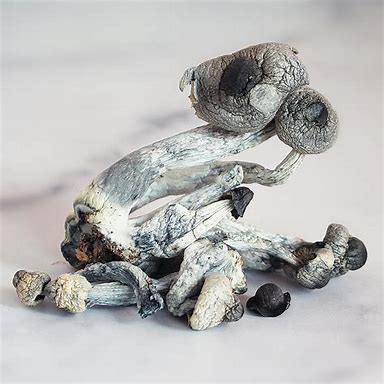
Unlock Europe’s Hidden Psychedelic Culture: A Responsible Guide to Magic Mushrooms
If you’re intrigued by magic mushrooms, it’s important to approach the topic with awareness, responsibility, and respect for local laws. In this guide, we explore Europe’s evolving relationship with psilocybin, where it is legal, and how to engage safely and ethically.
🌍 The Rise of Psychedelic Awareness in Europe
At the same time, public interest has grown, with more people seeking to understand these fungi from both a scientific and cultural perspective.
⚖️ Legal Status: What You Need to Know
- Netherlands: Fresh “magic truffles” are legal and sold in licensed smart shops.
- Portugal: Personal possession of small amounts has been decriminalized, though not legal.
- Spain: Private use is tolerated, but selling remains illegal.
- United Kingdom & most of Europe: Psilocybin mushrooms are classified as controlled substances.
⚠️ Laws can change quickly, so always verify local regulations before making any decisions.
🍄 Cultural & Historical Roots
🧠 Science & Mental Health Research
Modern studies are exploring how psilocybin interacts with the brain. Early findings suggest it may:
- Promote neural flexibility
- Help break negative thought patterns
- Support emotional processing
However, this research is still ongoing and should not be interpreted as medical advice or endorsement.
🌱 Responsible Exploration
If you’re curious about psychedelics, keep these principles in mind:
- Stay informed – Understand risks, effects, and legality
- Prioritize safety – Avoid unsafe environments or unknown substances
- Respect the law – Always follow local regulations
- Seek credible sources – Rely on science-backed information
🔗 Learn More
For those interested in exploring legal products, educational resources, and mushroom-related content, visit:
👉 https://psymushroom.uk/shop/
✨ Final Thoughts
Europe’s relationship with magic mushrooms is complex, evolving, and deeply tied to broader conversations about mental health, science, and personal growth.
Curiosity is natural—but it should always be paired with responsibility, knowledge, and respect.
No Responses