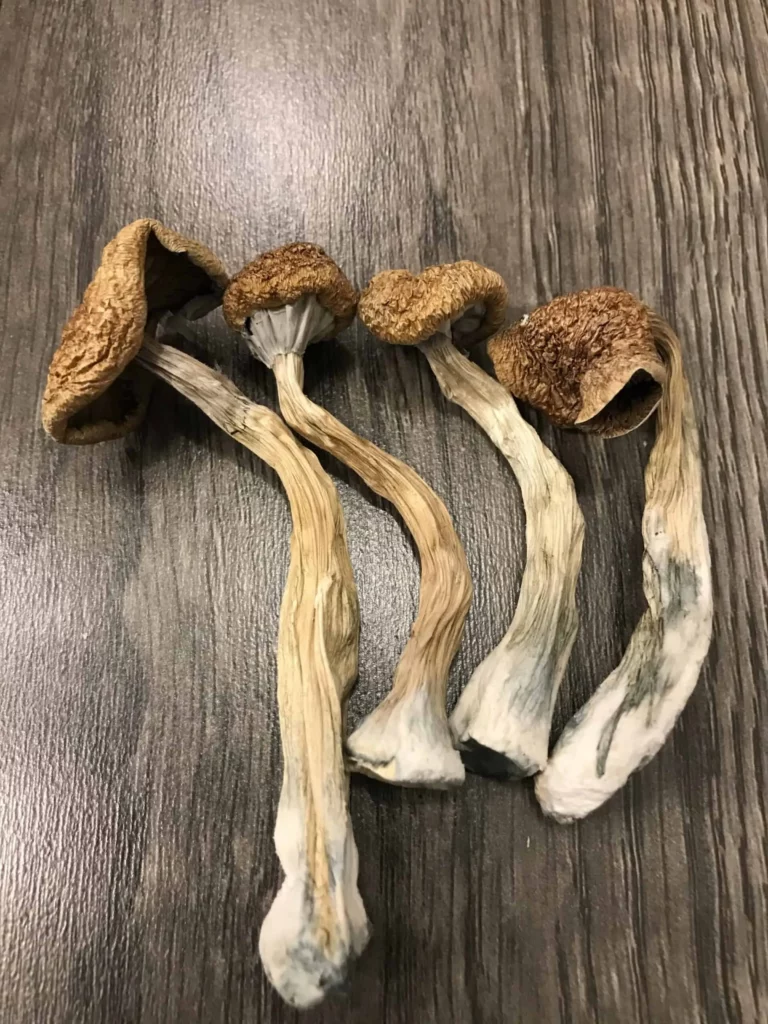
Insider’s Guide: Understanding Psychedelic Mushrooms Safely
Interest in psychedelic mushrooms has grown rapidly in recent years. Researchers, healthcare professionals, and the public have become increasingly interested in psilocybin, the naturally occurring compound found in certain mushroom species. While ongoing studies continue to explore potential therapeutic applications, it is important to understand the risks, legal considerations, and safety concerns associated with psychedelic mushrooms.
This guide explains what psychedelic mushrooms are, how they may affect the body and mind, and why safety should always come first.
What Are Psychedelic Mushrooms?
Psychedelic mushrooms, often called “magic mushrooms,” contain psychoactive compounds such as psilocybin and psilocin. These compounds can alter perception, mood, and cognition. Research institutions continue to study psilocybin for possible mental health applications, although many questions remain regarding long-term safety and effectiveness.
Psychedelic mushrooms have been used in traditional cultural and spiritual practices for centuries. Today, interest has expanded into scientific research, wellness discussions, and public policy debates.
Common Effects of Psilocybin
The effects of psychedelic mushrooms can vary significantly depending on the individual, environment, dosage, and mushroom species.
Some reported effects include:
- Changes in visual and auditory perception
- Altered sense of time
- Emotional intensity
- Feelings of euphoria
- Increased introspection
- Changes in thought patterns
However, experiences can also be negative or overwhelming. Some individuals report anxiety, panic, confusion, paranoia, or distressing hallucinations.
Understanding the Risks
Although many people discuss potential benefits, psychedelic mushrooms are not risk-free.
Potential risks include:
Psychological Risks
Individuals may experience:
- Anxiety
- Panic attacks
- Paranoia
- Confusion
- Disturbing hallucinations
People with certain mental health conditions, including psychotic disorders, may face higher risks from psychedelic substances. Experts generally advise caution for individuals with a history of schizophrenia, bipolar disorder, or related conditions.
Physical Side Effects
Possible physical effects include:
- Nausea
- Vomiting
- Increased heart rate
- Elevated blood pressure
- Dizziness
- Headaches
- Fatigue
These reactions can vary depending on the person and circumstances.
Mushroom Misidentification
One of the most serious dangers is confusing psychedelic mushrooms with poisonous mushrooms. Some toxic species can closely resemble psilocybin-containing mushrooms and may cause severe illness or death.
Product Quality Concerns
Unregulated mushroom products sold online or through informal channels may contain inaccurate ingredient labels, contaminants, or undisclosed substances. Reports have highlighted concerns about mislabeled mushroom edibles and products containing unexpected compounds.
Why “Set and Setting” Matter
Researchers and clinicians frequently discuss the importance of “set and setting.”
- Set refers to a person’s mindset, expectations, and emotional state.
- Setting refers to the physical and social environment.
Scientific and clinical discussions often emphasize that a person’s mental state and surroundings can significantly influence their experience. Poor preparation or stressful environments may increase the likelihood of negative outcomes.
What Does the Law Say?
The legal status of psychedelic mushrooms varies widely around the world. In many countries, psilocybin remains a controlled substance, while some jurisdictions have decriminalized possession or introduced regulated therapeutic programs. Laws continue to evolve, making it essential to verify current regulations in your location before making any decisions.
Current Research and Medical Interest
Research into psilocybin has expanded considerably over the last decade. Scientists are studying its potential role in treating conditions such as depression, addiction, and anxiety under carefully controlled clinical settings. However, researchers also stress the importance of professional supervision, screening, and follow-up care.
It is important to understand that clinical research environments differ significantly from recreational use. Results from medical studies should not be interpreted as proof that unsupervised use is safe or appropriate.
Key Safety Considerations
If you are researching psychedelic mushrooms, consider the following:
- Stay informed using reputable scientific and medical sources.
- Understand the laws in your jurisdiction.
- Be aware of potential mental and physical health risks.
- Avoid relying on unverified online claims.
- Recognize that individual reactions can vary significantly.
- Seek professional medical advice when appropriate.
Final Thoughts
Psychedelic mushrooms continue to attract attention from researchers, policymakers, and the public. While emerging studies suggest possible therapeutic potential, significant questions remain regarding safety, regulation, and long-term effects.
Understanding the risks, legal considerations, and scientific evidence can help individuals make informed decisions. Education, caution, and awareness remain essential as research in this field continues to develop.
No Responses