Understanding Magic Mushrooms: Types and Effects
Common Species of Magic Mushrooms
Psychoactive Compounds and Their Effects
The secret sauce behind magic mushrooms is the compound psilocybin, which the body converts into psilocin. This duo is responsible for the enchanting experiences—think vibrant visuals, altered perception of time, and a deeper connection to your inner self (or the couch, if that’s where you happen to be). Effects can vary widely, but many report feelings of euphoria, awe, or even profound insights. However, if your mind decides to take a detour into the land of anxiety, buckle up: it can get bumpy. Remember, your mindset and setting play huge roles in shaping your journey.
Potential Benefits and Risks
Legal Status of Magic Mushrooms in My Area
State-by-State Legal Overview
Recent Changes in Legislation
As many states are warming up to the idea of magic mushrooms, recent changes have begun to shift the legal status like a funky 70s disco dance move. Advocates across the country are pushing for decriminalization and medical research, and some cities have even gone so far as to downgrade penalties for possession. Keep your ear to the ground—changes can happen faster than you can say “psilocybin”!
Consequences of Possession and Use
Not every state is on board with magic mushrooms, and getting caught in a jurisdiction where they’re illegal can lead to trouble. Penalties can range from a slap on the wrist to hefty fines or jail time, depending on where you’re at. So if you’re considering a stroll through the shroomy side of life, do your future self a favor and be aware of the potential consequences. Ignorance may be bliss, but it doesn’t hold up as a legal defense!
Popular Regions for Mushroom Foraging
Top Locations Across the United States
Looking to embark on the great mushroom hunt? Some regions in the U.S. are practically shroom meccas. The Pacific Northwest, with its moist climate and rich biodiversity, is a top contender, especially around Washington and Oregon. Meanwhile, the Southeast boasts a hidden treasure trove thanks to its subtropical conditions. Don’t forget about the hidden gems in the Northeast, where foraging enthusiasts often rave about their finds. Just remember to bring a buddy—two sets of eyes are better than one when hunting for Mother Nature’s little wonders!
Unique Ecological Zones for Mushroom Growth
If you want to become a shroom sleuth, you’ll need to know where to look. Coastal areas, temperate forests, and even some grassy fields create a perfect playground for various mushroom species. Each zone provides a distinct set of environments—wet, humid conditions are a mushroom’s best friend! Pay attention to the seasons, as the spring and fall are prime foraging times. Keep a weather eye on those under-appreciated parts of nature; they might just lead you to your next magical find.
Resources for Finding Local Hotspots
The internet is your friend! Websites, forums, and social media groups dedicated to mushroom foraging can provide valuable insights and even crowd-sourced hotspot recommendations. Apps like “Shroomify” and “Mushroom Identificator” can also help you track down the local fungi scene. Plus, attending local foraging workshops not only enhances your knowledge but also connects you with fellow enthusiasts ready to share their secret spots. Just don’t let the cat out of the bag—some treasures are best kept under wraps!
Identifying Safe Magic Mushroom Species
Key Identification Features
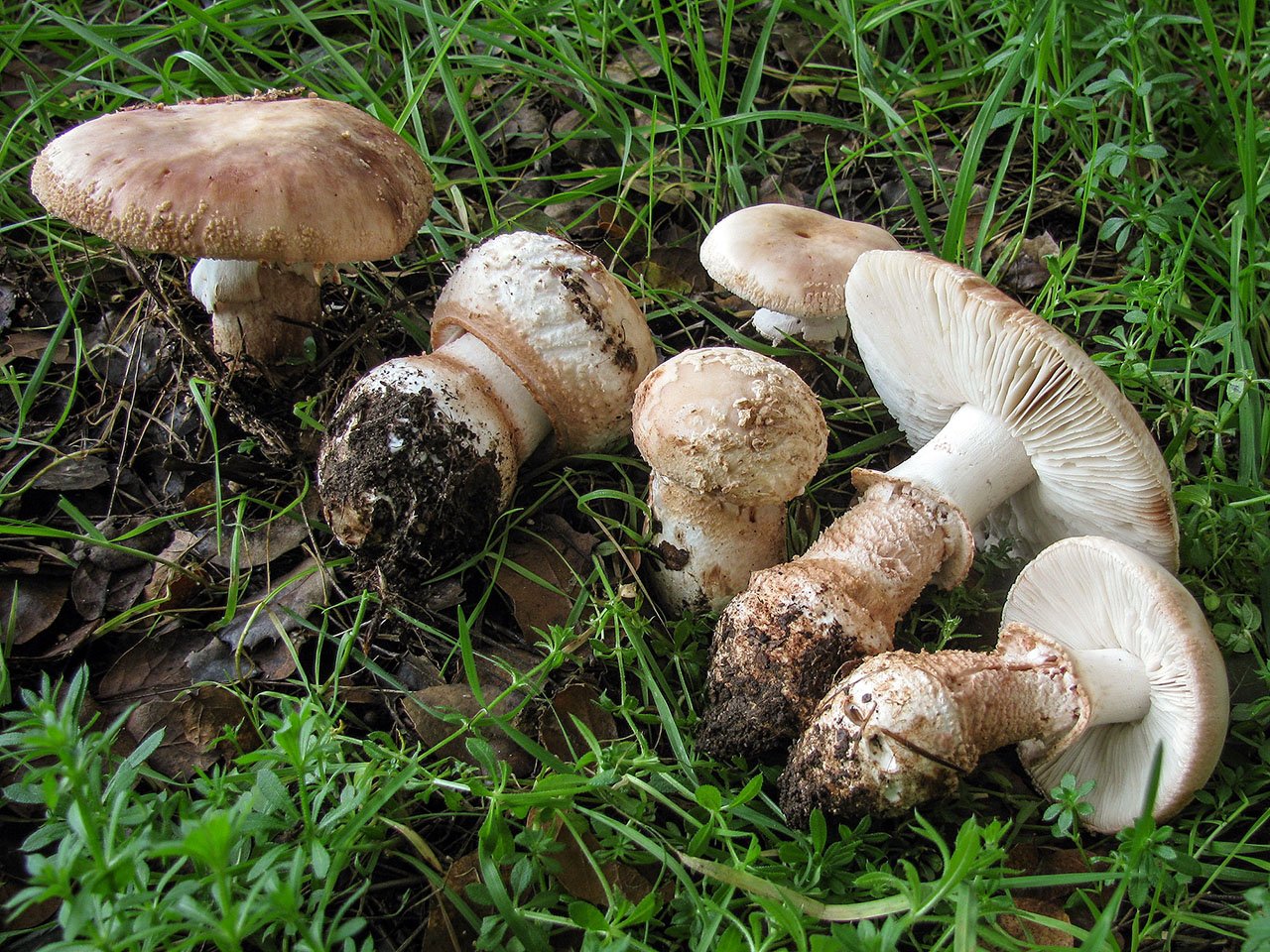
Before you dive headfirst into the colorful world of magic mushrooms, knowing what you’re looking for is crucial. Safe species typically show off a few telltale signs: the caps can be cone-shaped or rounded and often sport a slight stickiness. Don’t forget the gills—these should be closely spaced and may change color as the mushroom matures. Spore prints can also be a game-changer; they’ll help you rule in or rule out certain types. Familiarize yourself with some key identification features to avoid accidental encounters with mushrooms that are more “toxic villain” than “wise sage.”
Common Look-Alikes and How to Avoid Them
Mushroom hunting isn’t without its challenges, especially when you run into look-alikes. Some mushrooms can resemble magic varieties but are actually impostors ready to crash your party. For instance, the *Galerina* species can mimic magic mushrooms but contain deadly toxins. Always be cautious of mushrooms with a white or yellowish stem—these could be trouble! The bottom line? Don’t play the guessing game; if you’re not 100% sure, it’s better to be safe than sorry.
Using Field Guides and Apps for Identification
Trusty field guides and apps are the modern-day knight in shining armor for mushroom foragers. They’re packed with pictures and descriptions that make identification a whole lot easier (and way more fun). Apps like “Mushroom Observer” or “Picture Mushroom” let you snap a photo and receive instant feedback on what you could be dealing with. Just remember
Best Seasons for Finding Magic Mushrooms
Seasonal Variations Across Different Regions
The best season for finding magic mushrooms largely depends on where you are, so grab your seasonal calendar! In temperate regions, spring and fall reign supreme, with cooler temperatures and moisture creating the perfect buffet for these fungi. Meanwhile, tropical areas might see mushrooms popping up after monsoons—nature’s confetti party! Always remember to do a little research for your local zone; what grows in one place may be a no-show in another.
Weather Conditions That Favor Growth
Humidity is the name of the game when it comes to magic mushroom growth. Ideal conditions include not just moisture-laden air but also rain followed by sunny spells to coax those caps out of hiding. Look for damp woodlands or grassy fields after a good rain; it’s like finding a hidden treasure in your backyard! Temperature-wise, keep an eye on that sweet 60-75°F range—too hot or too cold and you might as well be looking for treasure in the freezer.
Timing Your Foraging Trips
Timing is everything, right? Early mornings or late afternoons after a rain shower offer the best chances for a successful forage. Mushrooms tend to pop up overnight, so if you can hit the trails just after a downpour, you might just find your luck is as high as your spirit! Also, consider the moon phases; many foragers claim that mushrooms are more abundant around the full moon. Call it lunar luck if you will!
Safety Tips for Foraging Magic Mushrooms
Essential Gear for Foraging
Before heading out to find your fungal friends, equip yourself like a shroom ninja! A good basket or cloth bag is crucial for collecting without crushing—think of it as carrying your prized pints of liquid gold. Gloves can protect your hands from hazardous plants, and a field guide will help you avoid the “not so magic” varieties. Don’t forget some sturdy shoes; the last thing you want is a sprained ankle while clutching a bag of fungi!
Foraging Etiquette and Sustainability
When foraging, remember you’re a guest in nature, so be polite! Stick to trails, avoid overharvesting, and leave some mushrooms behind for the ecosystem and for fellow foragers. It’s all about sustainable practices; think of yourself as the Robin Hood of mushrooms. Plus, always ask for permission if you’re foraging on private land—nothing says “party crasher” like trespassing!
What to Do in Case of Poisoning
In the unfortunate event of poisoning (and we hope it doesn’t happen), stay calm—panic won’t help. Immediately call poison control or seek medical help. If you can, gather samples of the mushrooms consumed for identification. Knowledge is power, and while foraging can be fun, safety must always come first. Remember, not all mushrooms are created equal—some are more “magic” than others, if you catch my drift.
Responsible Use and Dosage Guidelines
Understanding Dosage and Potency
When it comes to magic mushrooms, “less is more” is often the mantra. Potency can vary dramatically depending on the species, so always start small. A common starting dose can be around one gram of dried mushrooms for beginners—think of it as a gentle introduction to the world of mycelium rather than a full-blown rave! Remember, your body is not a science experiment, so finding your perfect dose might take a few attempts.
Setting and Mindset for a Safe Experience
Set and setting—two concepts that can make or break your experience. Find a calm, safe space free of interruptions, and perhaps have a trusted friend as a “trip buddy.” A positive mindset can really set the tone, so leave any stress and worries at the door. Embrace the experience with curiosity, like a kid digging into a treasure chest!
Post-Experience Integration and Support
After your trip, take some time to process and integrate your experience. Journaling can be a powerful tool—jot down your thoughts, feelings, or anything that danced through your mind during your journey. If you feel the need, join a support group or talk to a trusted friend about your experience. Sharing insights can help you make sense of what you encountered, and who knows? They might have their own tales to tell.
Connecting with Local Foraging Communities
Online Platforms and Resources
The digital age has brought foragers together like never before! Platforms like Reddit, Facebook groups, and various mushroom-foraging forums welcome enthusiasts to share tips, tricks, and tales of their woodland escapades. Websites dedicated to mycology are treasure troves of information, offering everything from identification guides to local foraging meet-ups. Just remember to read the comments—sometimes the tree of knowledge has a few rotten apples!
Local Clubs and Events
Joining a local foraging club can be one of the best ways to dive into this magical world. These groups often host foraging walks, workshops, and social events where you can learn from seasoned foragers and make new friends. Check your community boards or local nature centers for events—they could be just a hop, skip, or mushroom away!
Sharing Knowledge and Experiences
Once you’ve donned your foraging cape, share your newfound knowledge with others! Whether it’s teaching friends about safe mushroom identification or swapping recipes for your favorite shroom dish, spreading the love for fungi can create a supportive community. Consider organizing a local potluck, where everyone brings their favorite mushroom dish—because sharing is caring, and food is the universal language!In conclusion, exploring the world of magic mushrooms can be an enriching experience, offering both connection to nature and potential personal insights. By understanding the types of mushrooms, their legal implications, and safe foraging practices, you can embark on your journey with confidence. Remember to engage with local communities, respect the environment, and prioritize safety as you discover the wonders of magic mushrooms near you. Happy foraging!
Frequently Asked Questions
1. Are magic mushrooms legal in my area?
The legal status of magic mushrooms varies by location. It’s essential to check your local laws and regulations to understand whether possession, use, or foraging is permitted.
2. How can I identify magic mushrooms safely?
Identifying magic mushrooms requires knowledge of specific characteristics, such as color, shape, and habitat. Using field guides or smartphone apps can help, but it’s crucial to consult with experienced foragers to avoid mistakes.
3. What should I do if I suspect mushroom poisoning?
If you suspect mushroom poisoning, seek medical attention immediately. Keep a sample of the mushroom for identification, and inform the medical staff about your situation.
4. Can I use magic mushrooms for therapeutic purposes?
While there is growing research supporting the therapeutic use of magic mushrooms, it’s important to approach this responsibly. Consult professionals and consider legal implications before using them for such purposes.
No Responses