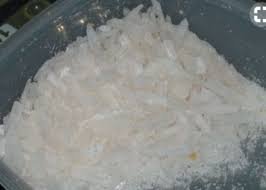
Understanding Heroin Powder: What You Need to Know
What is Heroin Powder?
How Heroin is Used and Its Effects
The Mental Health Crisis in the UK
Statistics on Mental Health Disorders
Mental health disorders affect millions in the UK, with around 1 in 4 people experiencing a mental health problem each year. Conditions like anxiety, depression, and bipolar disorder are increasingly prevalent, highlighting a pressing need for effective treatments and support systems. Recent surveys show that during the pandemic, nearly 1 in 5 adults reported feelings of anxiety or depression—proof that our mental health deserves as much attention as our physical health.
Common Mental Health Conditions and Their Impact
Common conditions such as anxiety disorders, depression, and PTSD can significantly impact daily life. Anxiety can lead to avoidance of social situations, depression may sap motivation and joy, and PTSD can trigger debilitating flashbacks. These disorders not only affect individuals, but also their families and communities, leading to increased healthcare costs, workplace absenteeism, and a general sense of societal unease. It’s clear: mental health is crucial, yet it often takes a back seat until it’s too late.
Exploring Alternatives to Pharmaceutical Solutions
Natural Remedies and Therapies
For those seeking alternatives to pharmaceuticals, natural remedies and holistic therapies show promise. Options like mindfulness meditation, herbal supplements, and exercise can provide relief without the side effects of prescription medications. Activities like yoga and acupuncture have gained traction as they help alleviate stress and promote overall well-being. While these might not come with the glitzy marketing of big pharma, they can be effective tools for managing mental health.
Community Support Programs
Community support programs play a vital role in mental health care, creating safe spaces for individuals to share their struggles. From peer support groups to workshops and counseling services, these programs foster connection and understanding. Initiatives like Mind and Samaritans offer practical assistance and a listening ear when it’s needed most. The best part? They often come at little to no cost, proving that sometimes help is just around the corner, not locked behind a pharmacy counter.
Risks and Consequences of Using Heroin Powder
Physical Health Risks
Using heroin powder poses severe physical health risks, including the potential for overdose, infectious diseases from needle sharing, and damage to vital organs. Users may experience respiratory issues, liver disease, and cardiovascular problems. The body quickly deteriorates under the weight of addiction, making the road to recovery a steep uphill battle—one filled with potholes and run-ins with a whole host of medical issues.
Mental Health Implications
Heroin doesn’t just wreak havoc on the body; it also takes a toll on mental health. Regular use can lead to increased anxiety, depression, and cognitive decline, creating a vicious cycle. The fleeting moments of euphoria quickly give way to overwhelming feelings of despair and isolation. Many users find themselves caught in a mental health crisis that feels as inescapable as a catchy pop song on repeat.
Social and Legal Consequences
The social implications of using heroin powder are profound. Relationships can fracture, jobs may be lost, and social circles can dwindle to nothing. Legally, the stakes are high; possession can lead to severe penalties, including imprisonment. The stigma surrounding drug use often leaves individuals feeling isolated and ashamed, making it even harder to seek help when it’s most needed. Ultimately, the allure of heroin powder fades quickly when faced with the harsh realities that follow.
Legal Implications Surrounding Heroin in the UK
Current Drug Laws and Penalties
In the UK, heroin is classified as a Class A drug under the Misuse of Drugs Act 1971. Possession can lead to up to seven years in prison, an unlimited fine, or both. If you’re caught dealing or trafficking, you’re looking at a potential life sentence. So, if you thought that dabbling in illegal substances was like having a cheeky pint, think again. The law does not play around!
Debates on Drug Decriminalization
There’s an ongoing debate about whether decriminalizing drugs like heroin might be the key to reducing harm rather than punishing users. Supporters argue that treating addiction as a health issue—rather than a criminal one—could provide help instead of prison bars. It’s like arguing that giving a drowning person a lifebuoy is more effective than throwing them back into the water, but opinions vary widely.
Personal Stories: Experiences with Heroin and Mental Health
Case Studies of Individuals
Take Sarah, a 32-year-old woman who turned to heroin after struggling with depression. Initially, it seemed to provide relief, but it soon became a rollercoaster of highs and devastating lows. Her story is a reminder that while some seek comfort in substances, the road to recovery is often riddled with potholes. Each individual has their own saga, often marked by resilience and a fight against a relentless foe.
Impact on Families and Communities
The ripple effect of heroin use extends far beyond the individual. Families are often left picking up the pieces, emotionally and financially. Think of it as an unwelcome guest at a party—no one invited it, but it’s refusing to leave. Community members frequently face the burden of increased crime rates and the need for more services, making it a collective struggle.
Resources for Mental Health Support
Helplines and Online Support Groups
In this digital age, there’s no shortage of support options. Helplines like Samaritans (116 123) are just a phone call away, offering a listening ear at all hours. Plus, online support groups provide a community for those feeling isolated—think of it as a virtual hug, minus the awkwardness of actual physical contact.
Professional Treatment Options
If you’re looking for something a bit more hands-on, various professional treatment options are available. From counseling and therapy to rehabilitation programs tailored for those grappling with addiction, the UK has resources aplenty. It’s like choosing between a cozy café or a fancy restaurant; there’s something for every palate.
The Future of Mental Health Treatment in the UK
Innovative Approaches and Research
As we look to the future, research into innovative treatments is gaining momentum. From psychedelic therapies to holistic approaches that emphasize wellness, the horizon is bright for those searching for alternatives. Who would have thought that some of the answers might come from looking beyond conventional medicine?
Advocacy and Policy Changes
Activism is also on the rise, with advocates pushing for policy changes that prioritize mental health support over punishment. The mantra is shifting from “lock them up” to “let’s help them out.” Grassroots organizations are doing their bit, leading campaigns that remind lawmakers that people are more than their struggles—they are worthy of compassion and care.As we navigate the complexities of mental health and the choices individuals make in seeking relief, it is crucial to approach the topic of heroin powder with care and understanding. While some may view it as a temporary escape, the potential risks and consequences cannot be overlooked. The importance of exploring safe, effective alternatives and accessing proper support is paramount in addressing mental health challenges. By prioritizing education, empathy, and advocacy, we can work towards a healthier future for those affected by mental health issues in the UK.
Frequently Asked Questions
Is heroin powder legal in the UK?
No, heroin powder is classified as a Class A drug in the UK, making it illegal to possess, supply, or produce.
What are the potential risks of using heroin powder for mental health issues?
Using heroin powder can lead to serious health risks, including addiction, physical health deterioration, and exacerbation of mental health conditions.
What alternatives are available for managing mental health concerns?
There are various alternatives, including natural remedies, therapy, support groups, and prescribed medications that can be effective without the risks associated with illicit drugs.
How can someone find support for mental health issues?
Individuals can seek support through helplines, mental health organizations, community programs, and by consulting healthcare professionals for appropriate treatment options.
No Responses