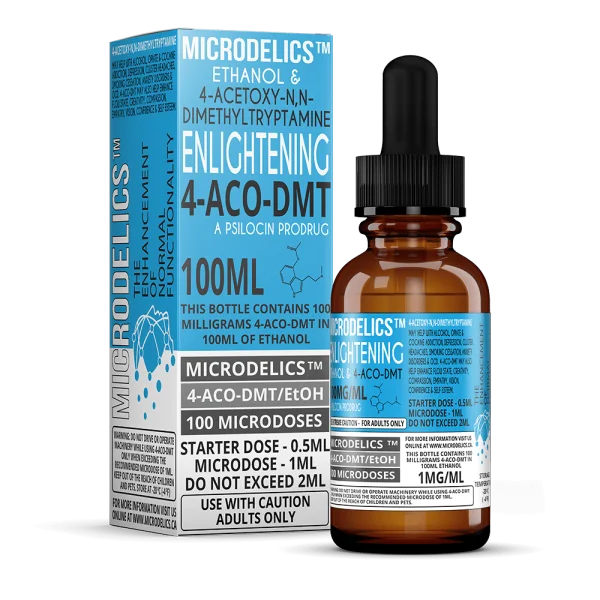
DMT in the UK and Europe: Laws, Research, Risks, and Current Legal Status
What Is DMT?
Researchers continue to study DMT to better understand consciousness and its possible therapeutic applications under carefully controlled clinical settings.
Is DMT Legal in the UK?
Is DMT Legal Across Europe?
There is no single European law covering DMT.
Each country has its own drug legislation. Many European countries prohibit unauthorized possession, manufacture, and distribution of DMT, although the exact penalties and enforcement policies differ between jurisdictions. Travelers should always check the laws of the country they intend to visit before travelling.
Why Is DMT Being Studied?
Scientists are investigating psychedelic compounds, including DMT, to understand whether they may have therapeutic potential when administered in regulated clinical environments.
Current research is exploring possible applications for conditions such as:
- Treatment-resistant depression
- Anxiety related to serious illness
- PTSD
- Substance use disorders
However, research is still ongoing, and most psychedelic treatments have not been approved for routine medical use in the UK or across the EU.
Potential Risks
Like other powerful psychedelics, DMT can have significant psychological effects.
Potential risks include:
- Anxiety or panic during the experience
- Confusion or disorientation
- Increased heart rate and blood pressure
- Psychological distress in susceptible individuals
- Unpredictable reactions depending on the individual and setting
People with certain mental health conditions may face higher risks.
Ongoing Scientific Interest
Interest in psychedelic science has grown significantly in recent years.
Universities and medical researchers across Europe continue to investigate compounds such as psilocybin, MDMA, and DMT through carefully regulated clinical studies to evaluate safety and potential therapeutic uses.
Frequently Asked Questions
Is DMT legal in the UK?
No. Unauthorized possession, manufacture, and supply of DMT are illegal under UK law.
Is DMT legal everywhere in Europe?
No. Drug laws differ between European countries, but many prohibit unauthorized possession and supply of DMT.
Is DMT approved as a medicine?
At present, classical psychedelics such as DMT are generally not approved as routine medical treatments in the UK or European Union, although clinical research continues.
Conclusion
DMT remains an important subject of scientific research and public interest. While studies continue to investigate its potential therapeutic applications, unauthorized possession and distribution remain illegal in the UK and in many European countries. Anyone seeking information about psychedelics should rely on reputable medical and governmental sources and stay informed about the laws in their jurisdiction.
No Responses