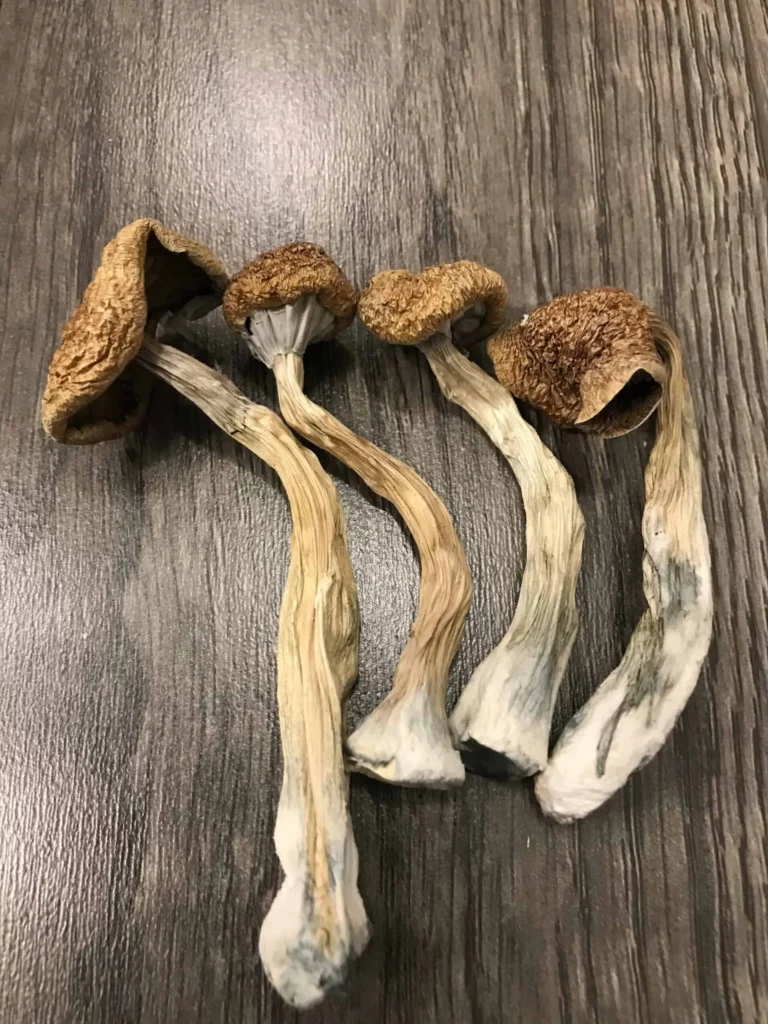
Growing mushrooms at home can be a rewarding and enjoyable hobby for beginners, offering both culinary delights and a sense of accomplishment. With a variety of mushroom types to choose from, such as oyster, button, and shiitake, aspiring cultivators can easily embark on their mushroom-growing journey. This article will guide you through the best mushroom varieties to start with, the essential equipment needed, and the steps to successfully cultivate your own mushrooms in the comfort of your home. Whether you’re looking to enhance your cooking or simply experiment with gardening, this comprehensive guide will provide you with everything you need to know to get started.
Introduction to Home Mushroom Cultivation
Overview of Mushroom Cultivation
Mushroom cultivation is the art and science of growing fungi in a controlled environment, transforming humble spores into delicious, edible fungi. It’s a hobby that combines patience, curiosity, and a sprinkle of magic (okay, maybe not actual magic, but you get the idea). With a variety of mushrooms to choose from, beginners can dive into a world that’s as fascinating as it is tasty. The process can be as simple as tossing some spores onto a substrate or as complex as creating a mini laboratory in your kitchen — either way, it’s a rewarding journey.
Why Grow Mushrooms at Home?
Why not? Growing mushrooms at home is like having a mini-farm at your fingertips, minus the mud and livestock. Not only do you get to enjoy fresh, organic produce right from your own home, but you also have the satisfaction of knowing exactly where your food comes from. Plus, it’s an excellent conversation starter! “Oh, these? I grew them myself.” Boom! Instant chef credibility.
Benefits of Growing Mushrooms at Home
Nutritional Benefits
Mushrooms are little powerhouses packed with nutrients. They’re low in calories, high in fiber, and loaded with vitamins like B and D. Some varieties even contain antioxidants that help combat free radicals—fancy talk for “they’re good for you!” Incorporating mushrooms into your diet can contribute to better immune function, improved heart health, and may even help you channel your inner superhero.
Culinary Uses
From stir-fries to soups, mushrooms are the versatile ingredient your dishes have been missing. They can add depth to flavors, provide a satisfying texture, and elevate even the simplest meals. Whether you’re sautéing them in garlic butter or throwing them into a risotto, mushrooms transform the ordinary into the extraordinary. Plus, they’re a great meat substitute for all your vegetarian friends—be prepared for the compliments!
Environmental Advantages
Growing your own mushrooms isn’t just good for you; it’s good for the Earth too! Fungi play a critical role in breaking down organic materials, so they naturally contribute to a more sustainable environment. By cultivating them at home, you’re reducing your carbon footprint, supporting biodiversity, and potentially even minimizing waste by reusing kitchen scraps as growing mediums. Talk about a win-win situation!
Best Mushroom Varieties for Beginners
Oyster Mushrooms
Oyster mushrooms are like the friendly neighbor of the mushroom world—easy to grow and incredibly forgiving. They thrive on a variety of substrates, from straw to coffee grounds, making them perfect for novices. Plus, they’re deliciously delicate, adding a mild flavor to your dishes. You might even find yourself throwing them on everything—just a heads up!
Button Mushrooms
Ah, the classic button mushroom. This little champ is the go-to for many chefs and home cooks alike. They’re easy to grow, require minimal effort, and are a staple in countless recipes. Whether you like them raw in salads or sautéed for a savory dish, growing button mushrooms can be a great first step into the fungi fun zone.
Shiitake Mushrooms
Shiitake mushrooms are the bold, flavorful cousins of the button mushroom. While they may require a bit more attention, their rich, umami taste is absolutely worth it. These beauties often grow on hardwood logs or sawdust, so you can feel like a woodland wizard as you nurture them to maturity. Plus, the smell when they’re fresh? Pure magic.
Lion’s Mane Mushrooms
Lion’s Mane mushrooms are not just a conversation starter with their majestic, fluffy appearance; they’re also packed with brain-boosting potential! Easy to grow on a variety of substrates, they offer a seafood-like flavor that’s perfect for elevating dishes. Plus, they’re believed to have cognitive benefits—so if you grow these, you might just feel like a genius!
Essential Equipment and Supplies
Growing Mediums
The choice of growing medium can make or break your mushroom success. From straw and sawdust to coffee grounds and logs, there are plenty of options to choose from. Each mushroom type has its favorite, so make sure to match the medium with your chosen fungi to ensure a fruitful harvest.
Containers and Kits
Investing in the right containers can be the difference between a bountiful harvest and a sad little patch of disappointment. You can opt for pre-made mushroom growing kits, which often come with everything you need, or get crafty and assemble your own containers. Either way, ensure they provide adequate ventilation and are suitable for your chosen mushroom variety.
Temperature and Humidity Control
Mushrooms are like Goldilocks; they prefer conditions that are just right! Maintaining the right temperature and humidity is crucial for successful growth. Depending on the type of mushroom, you may need to keep the environment warm and moist, so consider investing in a hygrometer and thermometer. After you get this down, you might just feel like you have a little mushroom spa going on!
Step-by-Step Guide to Growing Mushrooms
Choosing the Right Location
When it comes to finding the perfect spot for your mushroom operation, think cozy and dark. Mushrooms thrive in cool, humid conditions—think your grandma’s basement, but with fewer dusty knickknacks. A garage, closet, or any space with limited light will do the trick. Just remember, they’re fungi, not sunbathers!
Inoculating the Substrate
Inoculation is a fancy term for introducing your mushroom spores to their new home, aka the substrate. You’ll want to prepare this substrate (think straw, coffee grounds, or special mushroom kits) and get it nice and sterile—no one likes uninvited guests! Mix in the spores, cover it up, and let it sit for a while. It’s like making mushroom soup without the broth!
Maintaining Optimal Conditions
Now that you have your mushroom family settled in, it’s time to pamper them. Keep the temperature between 60-75°F (15-24°C) and maintain humidity levels around 80-90%. You can mist them with water to keep that humidity up—just don’t drown them! Also, give them some fresh air every now and then; they’re social beings, after all.
Monitoring Growth Progress
Keep an eye on your mushy friends as they start to sprout. Growth usually takes a few weeks, and you’ll want to check for any changes in color or texture. If you see fuzzy white patches, that’s a good sign! Remember to take photos; you’re going to want to brag about your mushroom babies on social media.
Common Challenges and Solutions
Pest Control
Pests can be a real party pooper when growing mushrooms. Tiny bugs and critters love to crash this fungi fest. To combat this, keep your growing area clean and consider using natural repellents. Sticky traps can also help—you might feel like you’re in a research lab, but it’s all part of the fun!
Mold and Contamination Issues
Mold can be the unwanted plus-one to your mushroom party. If you spot green or black spots, it’s time to act! Remove affected areas and ensure your workspace is sterilized. To prevent future infestations, always wash your hands and tools before touching the substrate—mushrooms are sensitive like that!
Environmental Fluctuations
Mushrooms are drama queens when it comes to environmental changes. One day it’s too humid, the next it’s too dry. To keep them happy, invest in a hygrometer to monitor moisture levels, and try to maintain consistency in temperature. Your fungi will reward you for your meticulous care—hopefully, not with a melodramatic monologue!
Harvesting and Storing Your Mushrooms
When and How to Harvest
Your mushrooms are finally ready for the spotlight when they’ve reached their full size—usually when the caps begin to open up. Grab a sharp knife and cut them at the base; no need to yank them out like a weed! And voilà, you’ve got yourself some gourmet fungi!
Best Practices for Storing Fresh Mushrooms
To keep your freshly harvested mushrooms from turning into a soggy mess, store them in a paper bag in the fridge. Avoid plastic bags; they’ll make your mushrooms sweat, and nobody likes a sweaty mushroom! Use them within a week, or consider drying or freezing them for long-term storage—just don’t forget about them in the back of the freezer!
Tips for Success and Further Resources
Joining Mushroom Growing Communities
Don’t go it alone! Join online forums or local groups where fellow mushroom lovers gather to share tips and stories. You might find a new best friend, or at least a partner for your next mushroom-tastic adventure. Remember, there’s strength (and spores) in numbers!
Recommended Books and Online Resources
There’s a wealth of knowledge out there, just waiting to be devoured! Check out classic books like “The Mushroom Cultivator” or “Mycelium Running.” Websites and YouTube channels dedicated to mushroom cultivation can also offer invaluable tips, making it feel like you have a personal mushroom coach!
Experimenting with Different Varieties
Once you’ve mastered the basics, don’t hesitate to branch out! Try your hand at growing different varieties like shiitake, oyster, or lion’s mane. Each type has its quirks, making your mushroom journey more exciting—and let’s be honest, more Instagrammable!In conclusion, growing mushrooms at home is an accessible and fulfilling endeavor that allows beginners to explore the fascinating world of fungi. By choosing the right varieties, following the essential steps, and overcoming common challenges, you can cultivate delicious mushrooms right in your own kitchen. With patience and practice, you’ll not only enjoy the fruits of your labor but also gain valuable skills in sustainable gardening. So, gather your supplies, get started, and embrace the rewarding experience of home mushroom cultivation!
Frequently Asked Questions
1. How long does it take to grow mushrooms at home?
The time it takes to grow mushrooms can vary depending on the variety. Generally, most beginner mushrooms can be harvested within 4 to 8 weeks after inoculation, with some species like oyster mushrooms growing faster than others.
2. Do I need special equipment to grow mushrooms?
While some specialized equipment can enhance the process, many beginner-friendly mushroom kits come with everything you need. Basic supplies include a suitable growing medium, containers, and a controlled environment for humidity and temperature.
3. Can I grow mushrooms indoors?
Yes, many mushroom varieties can be successfully grown indoors as long as you provide the right conditions, such as adequate moisture, temperature, and light. Consider using a dedicated space like a closet or a basement for optimal results.
4. What should I do if my mushrooms are not growing?
If your mushrooms are not growing, check for issues such as insufficient humidity, incorrect temperature, or contamination. Making adjustments to your growing environment and ensuring your substrate is healthy can help encourage growth.
No Responses