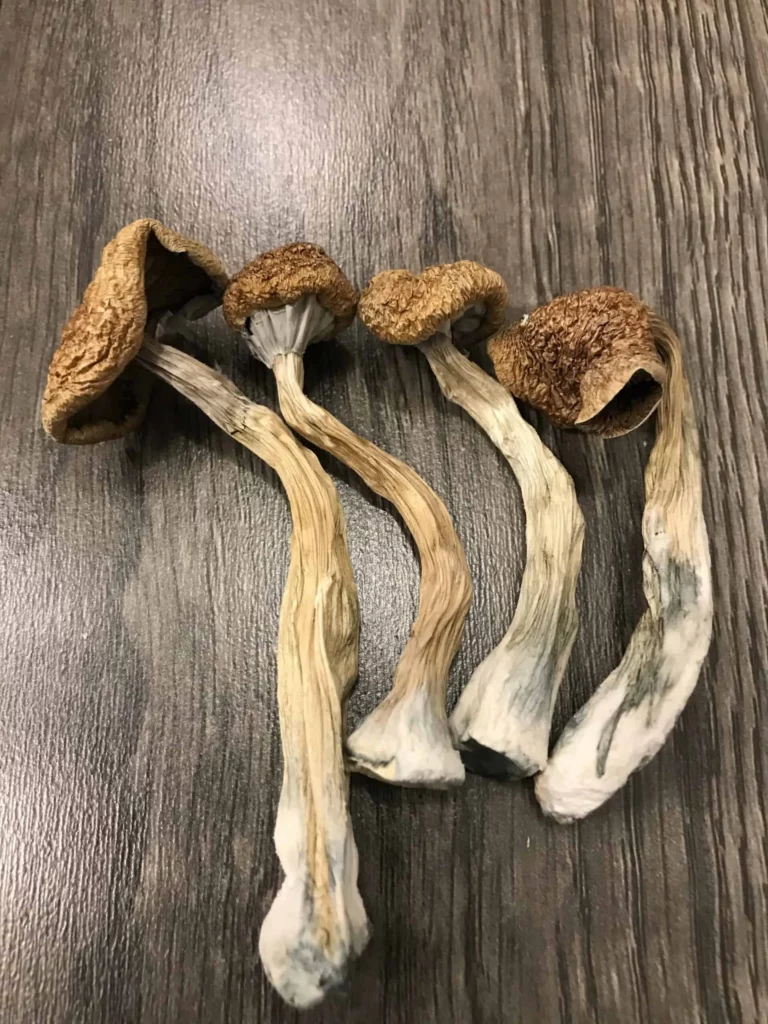
Ultimate Guide to Magic Mushrooms in Europe
This guide explains what magic mushrooms are, their history in Europe, current scientific research, legal considerations, and important safety information.
What Are Magic Mushrooms?
A Brief History
Today, universities and medical institutions continue researching psilocybin’s potential role in mental health treatment.
Scientific Research
Clinical research has explored whether psilocybin-assisted therapy may help certain patients under carefully controlled medical supervision.
Researchers continue investigating its potential for:
- Treatment-resistant depression
- Anxiety associated with serious illness
- PTSD research
- Addiction treatment
- End-of-life psychological care
Although results from some clinical trials are encouraging, psilocybin has not become a standard medical treatment across Europe, and research is still ongoing.
Legal Status Across Europe
One of the most important things to understand is that there is no single European law governing magic mushrooms.
Each country has its own regulations regarding:
- Possession
- Cultivation
- Distribution
- Processing
- Medical research
In most European countries, possession or supply of psilocybin mushrooms remains prohibited. Some jurisdictions have unique legal distinctions regarding naturally occurring mushrooms, processed products, or regulated research settings. Laws can change, so individuals should always consult official national authorities before making legal assumptions.
Why Is Research Growing?
Scientists are interested in psilocybin because it may help improve mental health when administered in carefully supervised clinical environments.
Current research focuses on:
- Brain function
- Emotional processing
- Psychological flexibility
- Long-term therapeutic outcomes
These studies are conducted under strict ethical and medical oversight.
Safety Considerations
Magic mushrooms are not risk-free.
Potential concerns include:
- Anxiety or panic reactions
- Confusion
- Impaired judgment
- Dangerous behavior in unsafe environments
- Psychological distress in vulnerable individuals
People with certain psychiatric conditions may face increased risks. Experts emphasize that recreational use differs significantly from carefully controlled clinical research.
Common Myths
Myth: Magic mushrooms are legal everywhere in Europe.
False. Laws differ substantially between European countries.
Myth: Natural means completely safe.
False. Natural substances can still present significant health risks depending on the person, dose, environment, and mushroom identification.
Myth: Scientists already consider psilocybin a cure.
False. Research remains ongoing, and more evidence is needed before broader medical approval.
Frequently Asked Questions
Are magic mushrooms legal in Europe?
Legal status varies by country. Many European nations prohibit possession or distribution, while some have unique legal exceptions or research frameworks.
Why are researchers studying psilocybin?
Researchers are exploring its possible therapeutic use for several mental health conditions under controlled clinical settings.
Are all mushrooms psychoactive?
No. Most mushroom species are not psychoactive, and some wild mushrooms are highly poisonous.
Can laws change?
Yes. Drug policies continue to evolve in several European countries, making it important to verify current regulations through official government sources.
Conclusion
Europe continues to play an important role in psychedelic research, with universities and medical institutions expanding scientific understanding of psilocybin. At the same time, legal restrictions remain in place across much of the continent, and regulations differ between countries.
Anyone interested in this subject should rely on evidence-based information, stay informed about local laws, and distinguish carefully between ongoing medical research and recreational use.
No Responses