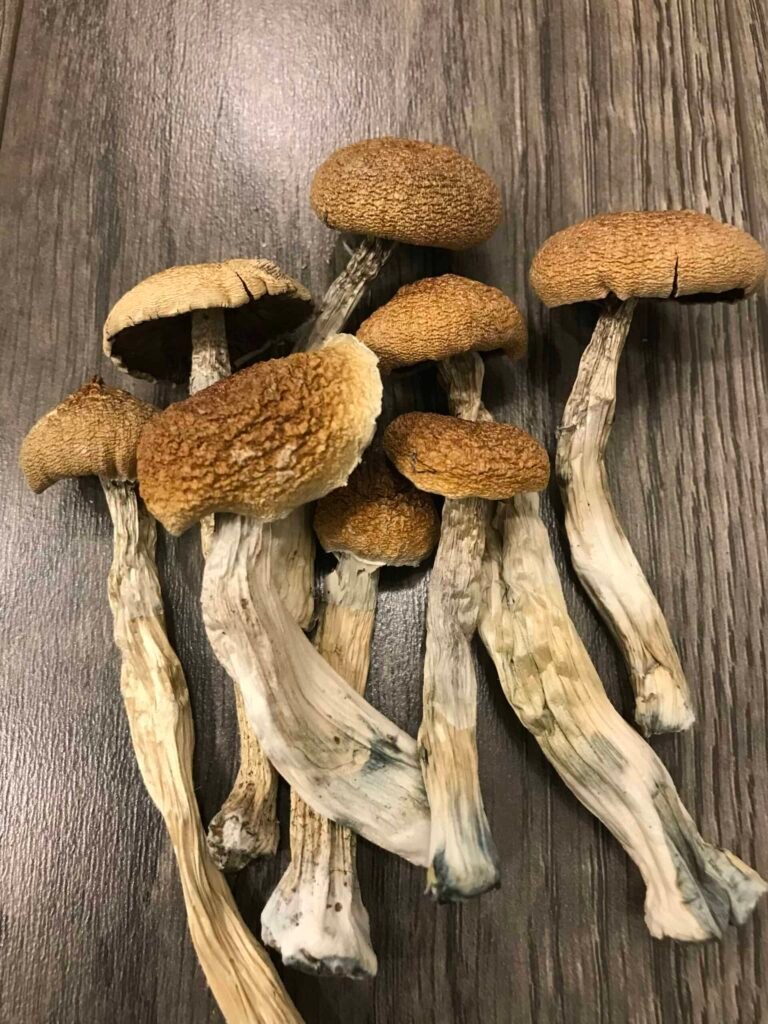
How Mushroom Farms Operate in the UK
Why Mushroom Farming Is Popular in the UK
Mushrooms are valued because they are:
- Nutritious and low in calories
- Rich in vitamins and minerals
- Naturally low in fat
- Suitable for many vegetarian and vegan diets
- Produced year-round in controlled environments
Indoor cultivation also reduces the impact of seasonal weather, making mushroom farming one of the most reliable forms of horticultural production.
Step 1: Preparing the Growing Substrate
Unlike most crops, mushrooms do not grow in ordinary soil.
Instead, farms prepare a nutrient-rich growing substrate that provides everything the mushroom mycelium needs to develop.
The exact substrate depends on the mushroom species.
For example:
- Button mushrooms are commonly grown on compost made from straw, poultry manure, gypsum, and water.
- Oyster mushrooms are often cultivated on pasteurised straw, hardwood sawdust, or agricultural by-products.
- Shiitake mushrooms are frequently grown on hardwood sawdust enriched with organic nutrients.
The substrate is carefully prepared to encourage healthy fungal growth while reducing the risk of contamination.
Step 2: Pasteurisation and Sterilisation
Before mushroom spawn is added, the growing material is treated to remove unwanted microorganisms.
Commercial farms may use:
- Heat pasteurisation
- Steam treatment
- Sterilisation for specialised mushroom species
This process creates a clean environment where the mushroom mycelium can colonise the substrate successfully without competition from mould or bacteria.
Step 3: Adding Mushroom Spawn
Once the substrate is ready, growers mix in mushroom spawn.
Spawn is the material that contains live mushroom mycelium, which spreads throughout the growing medium before producing mushrooms.
The colonisation period can take several days or weeks depending on:
- Mushroom species
- Temperature
- Moisture levels
- Substrate type
During this stage, farms carefully monitor environmental conditions to encourage rapid and healthy mycelial growth.
Step 4: Incubation
The inoculated substrate is moved into incubation rooms where temperature and humidity are carefully controlled.
During incubation:
- Mycelium spreads throughout the substrate.
- Carbon dioxide levels are managed.
- Light is usually unnecessary.
- Moisture levels remain stable.
Once the substrate is fully colonised, it is ready to begin fruiting.
Step 5: Creating Fruiting Conditions
To trigger mushroom production, growers adjust environmental conditions.
Typical changes include:
- Lower temperatures
- Increased fresh air
- Higher humidity
- Introduction of light for species that require it
These changes signal the mycelium to produce mushroom fruiting bodies.
Small mushroom pins usually appear within a few days.
Step 6: Harvesting the Mushrooms
Harvesting is often done by hand to protect the mushrooms from damage.
Workers carefully twist or cut mature mushrooms before placing them into trays or baskets.
Harvest timing is important because mushrooms continue growing quickly after they emerge.
Picking them at the correct stage ensures:
- Better appearance
- Longer shelf life
- Improved flavour
- Higher market value
Many mushroom varieties produce multiple flushes, allowing farms to harvest several crops from the same growing substrate.
Step 7: Quality Control and Packaging
After harvesting, mushrooms are sorted based on:
- Size
- Appearance
- Freshness
- Quality
They are then packed into containers suitable for supermarkets, wholesalers, restaurants, or direct consumers.
Maintaining the cold chain after harvest helps preserve freshness and extend shelf life.
Technology Used on Modern UK Mushroom Farms
Today’s mushroom farms often use advanced technology to improve production efficiency.
Examples include:
- Climate-controlled growing rooms
- Automated humidity systems
- Temperature monitoring
- Carbon dioxide sensors
- Ventilation control
- Digital production tracking
- Hygienic growing facilities
These systems help create ideal growing conditions while reducing waste and improving crop consistency.
Sustainability in UK Mushroom Farming
Mushroom farming is widely regarded as an environmentally efficient form of food production.
Many UK farms improve sustainability by:
- Using agricultural by-products as growing substrates
- Recycling spent mushroom compost
- Conserving water through controlled irrigation
- Producing food close to consumers
- Reducing food waste through efficient harvesting
Spent mushroom substrate is often reused as a soil conditioner or compost for agriculture and gardening.
Common Mushroom Varieties Grown in the UK
Several edible mushroom species are commercially cultivated across the UK.
Popular varieties include:
- White button mushrooms
- Chestnut mushrooms
- Portobello mushrooms
- Oyster mushrooms
- Shiitake mushrooms
- Lion’s mane mushrooms
- King oyster mushrooms
Each variety has slightly different growing requirements, but the overall production process remains similar.
Challenges Faced by Mushroom Farms
Commercial mushroom growers face several challenges, including:
- Maintaining sterile growing conditions
- Managing energy costs
- Labour shortages
- Pest and disease control
- Meeting food safety standards
- Rising production costs
Despite these challenges, demand for fresh, locally grown mushrooms continues to support growth in the industry.
Frequently Asked Questions
Do mushroom farms use soil?
No. Commercial mushroom farms grow mushrooms on specially prepared substrates such as compost, straw, or hardwood sawdust rather than ordinary soil.
How long does it take to grow mushrooms?
The production cycle varies by species. Many commercial mushrooms can be harvested within a few weeks after spawning, while some specialty mushrooms take longer.
Are mushrooms grown indoors?
Yes. Most commercial mushroom farms in the UK grow mushrooms indoors where temperature, humidity, airflow, and light can be carefully controlled.
Are mushroom farms environmentally friendly?
Many mushroom farms are considered sustainable because they use recycled agricultural materials, produce minimal waste, and often recycle spent growing substrate for agricultural use.
Final Thoughts
Understanding how mushroom farms operate in the UK highlights the precision and care involved in commercial mushroom cultivation. From preparing nutrient-rich substrates to managing climate-controlled growing rooms and harvesting by hand, every stage is designed to produce fresh, high-quality mushrooms year-round.
As consumer demand for healthy, sustainable, and locally produced food continues to grow, UK mushroom farming is likely to remain an important part of the country’s agricultural sector. Whether you’re interested in home cultivation or commercial production, learning how modern mushroom farms work provides valuable insight into one of the UK’s most innovative food industries.
No Responses