Introduction
The phrase “UK magic mushroom shops” is widely searched online, reflecting growing public curiosity about psychedelics, psilocybin research, and the wider world of fungi.
However, it is important to separate education and scientific discussion from illegal drug supply. In the UK, magic mushrooms containing psilocybin or psilocin are controlled as Class A drugs, and buying, selling, supplying, producing, or possessing illegal drugs can carry serious legal consequences.
This guide is designed to help readers understand the subject responsibly. We will explore what people should know about UK law, the growth of scientific research, and how to find trustworthy information about mushrooms and psychedelics.
Important: This article is for educational purposes only and does not encourage or facilitate illegal drug purchase, sale, cultivation, or supply.
What Are Magic Mushrooms?
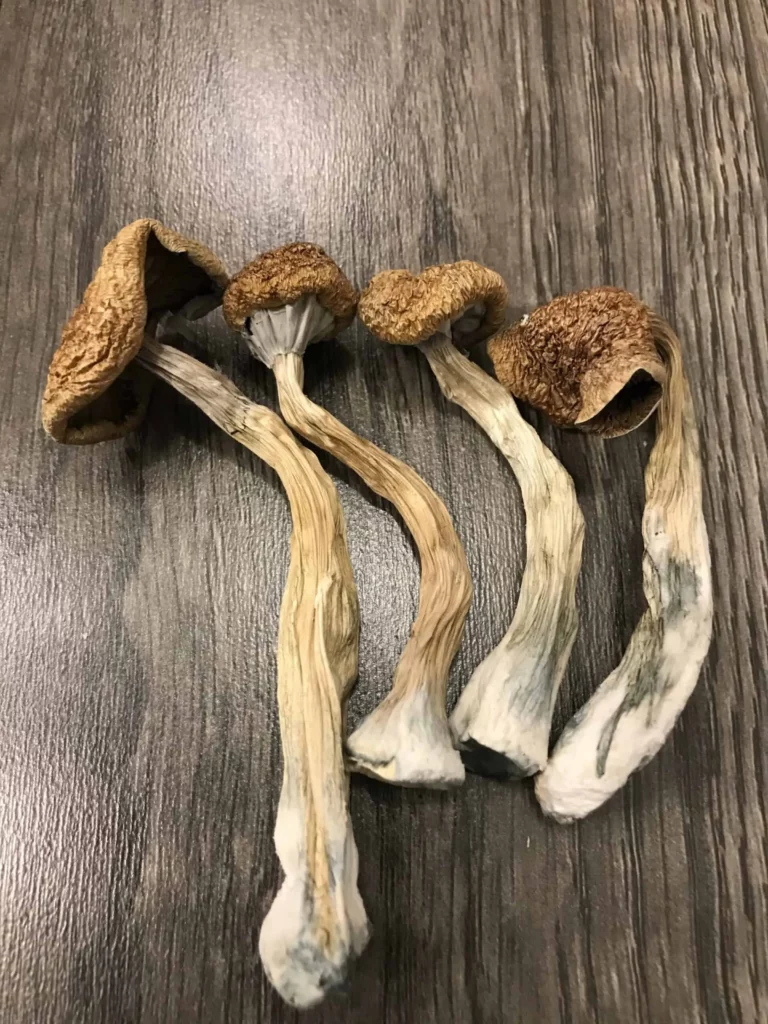
“Magic mushrooms” is a common term for certain fungi associated with psychedelic compounds such as psilocybin and psilocin.
These compounds have attracted increasing scientific interest. Researchers are studying how psychedelic compounds may interact with the brain and whether carefully controlled, regulated treatments could have future medical applications.
That research should not be confused with recreational or commercial use. Scientific studies take place under strict ethical, medical, and legal controls.
Are Magic Mushroom Shops Legal in the UK?
This is one of the most important questions for anyone searching online.
Under current UK law, magic mushrooms containing psilocybin or psilocin are treated as Class A controlled drugs. The UK Government also states that there are currently no plans to reschedule psilocybin, although research into potential therapeutic applications continues under the appropriate regulatory framework.
Because of this, readers should be extremely cautious about websites or individuals claiming to operate a “legal magic mushroom shop” in the UK.
A professional website should never mislead visitors about the law. If a product is restricted or illegal, that fact should be clearly communicated.
The Difference Between Mushroom Education and Illegal Supply
There is a huge and fascinating world of fungi that goes far beyond psychedelic substances.
Educational mushroom content can include:
- Culinary mushrooms and cooking
- Lion’s mane and other functional mushrooms
- Mushroom identification
- Mycology and fungal ecosystems
- The history of psychedelic research
- Current scientific studies
- Drug policy and legal developments
- Harm-awareness and responsible education
A trustworthy website should make this distinction clear. Educational content can help readers understand a complex topic without promoting unlawful activity.
Why Psilocybin Research Is Receiving Attention
Psilocybin has become an important area of scientific research. In the UK, research facilities and clinical research programmes have been involved in studying the safety and potential efficacy of psilocybin-based therapies.
According to a UK Government response, research is being supported through facilities including the NIHR King’s Clinical Research Facility, the NIHR Oxford Health Clinical Research Facility, and the NIHR Maudsley Biomedical Research Centre.
This research is important, but it does not mean that psilocybin has become generally legal for sale or recreational use in the UK.
Clinical research and commercial availability are very different things.
How to Identify Trustworthy Mushroom Information Online
The internet contains a mixture of accurate information, outdated claims, and misleading advertising. Before trusting a website, consider the following questions.
1. Does the Website Clearly Explain the Law?
Trustworthy information should not falsely claim that a controlled substance is legal when it is not.
UK government guidance identifies magic mushrooms as Class A drugs, so readers should treat claims of unrestricted legality with caution.
2. Does the Content Distinguish Research From Recreation?
Good educational content explains the difference between:
- Laboratory research
- Approved clinical trials
- Medical development
- Recreational use
- Controlled substances
- Legal mushroom products
This distinction improves both accuracy and reader trust.
3. Are Health Claims Supported by Evidence?
Be cautious with dramatic claims such as “guaranteed cure,” “instant treatment,” or “risk-free therapy.”
Scientific research can be promising without providing certainty. Responsible content should avoid exaggerated health claims and should not present experimental research as established medical treatment.
4. Is the Website Transparent?
Look for clear information about:
- The purpose of the website
- Educational disclaimers
- Contact details
- Privacy policies
- Terms and conditions
- Product information where applicable
- Legal restrictions
Transparency is an important part of building online trust.
Common Myths About Magic Mushrooms in the UK
Myth 1: “Natural Means Legal”
This is false. A substance can come from a natural source and still be controlled by law.
UK legislation specifically covers fungi containing psilocin or an ester of psilocin, including psilocybin.
Myth 2: “Online Shops Automatically Make It Legal”
An online shop does not change UK law. A website’s location, marketing language, or payment system does not automatically make an illegal transaction lawful.
Myth 3: “Research Means Anyone Can Use It”
Scientific and clinical research is conducted under controlled conditions. Research into psilocybin does not mean unrestricted public sale or use has been authorised.
Myth 4: “Every Mushroom Product Is Psychoactive”
This is also false. Many legal mushroom products are culinary, nutritional, or educational and contain no controlled psychedelic substances.
Exploring the Wider World of Fungi
One of the best ways to experience the extraordinary world of mushrooms is to explore mycology more broadly.
Fungi play essential roles in nature. They help break down organic material, support ecosystems, and form complex relationships with plants.
For beginners, interesting areas to explore include:
- Oyster mushrooms
- Shiitake mushrooms
- Lion’s mane mushrooms
- Reishi
- Chaga
- Mushroom cultivation science
- Fungal ecology
- Mycelium-based innovation
These subjects provide a fascinating introduction to the diversity of fungi without confusing legal culinary or educational products with controlled drugs.
Building a Responsible UK Mushroom Website
For websites covering mushroom-related topics, quality content should always come first.
A strong content strategy can include:
Create Helpful Educational Articles
Write clear articles that answer genuine questions, such as:
- What is psilocybin research?
- What are the current UK laws?
- What is the difference between culinary and psychedelic mushrooms?
- How do clinical trials work?
- What is mycology?
Use Clear, Simple Language
Google-friendly content should be easy to read. Use:
- Short paragraphs
- Descriptive headings
- Simple sentences
- Bullet points where helpful
- Clear introductions and conclusions
Avoid unnecessary keyword repetition. Write for people first.
Keep Legal Information Updated
Drug laws and government policies can change. Always check current official sources before publishing legal claims.
The current UK government position identifies magic mushrooms as Class A drugs and states that there are no current plans to reschedule psilocybin for general prescribing, while regulated research continues.
The Future of Psilocybin Research in the UK
The future of psychedelic medicine remains an active area of scientific interest.
Researchers continue to study important questions about:
- Safety
- Effectiveness
- Appropriate clinical settings
- Patient selection
- Dosage and supervision
- Long-term outcomes
Any future medical development would need to go through appropriate research, regulatory review, and licensing processes.
For readers interested in this field, following reputable universities, clinical research organisations, government information, and peer-reviewed science is a better approach than relying on sensational claims.
Final Thoughts: Experience the Extraordinary Through Knowledge
The growing interest in UK magic mushroom shops reflects a wider curiosity about psychedelics, mental health research, and the remarkable world of fungi.
The most responsible approach is to stay informed. Understand the difference between scientific research and commercial claims. Check the law before acting. Be cautious about misinformation, exaggerated promises, and websites that make misleading statements about controlled substances.
At Magic Mushroomery, educational content can help visitors explore the fascinating world of mushrooms, mycology, and psychedelic research with an emphasis on accuracy, responsible communication, and current information.
Knowledge is the best place to begin an extraordinary journey.
FAQ: UK Magic Mushroom Shops
Are magic mushrooms legal in the UK?
Magic mushrooms containing psilocybin or psilocin are controlled as Class A drugs in the UK.
Can psilocybin be prescribed in the UK?
The UK Government has stated that there are no psilocybin-based medicines with a UK marketing authorisation, although regulated research and clinical development continue.
Why are people searching for UK magic mushroom shops?
Interest has grown because of public discussion about psychedelic research, mental health studies, fungi, and changing conversations around drug policy.
How can I find reliable information about psilocybin?
Prioritise official government information, recognised research institutions, peer-reviewed studies, and established medical or scientific sources.
No Responses