Introduction
Interest in magic mushrooms has grown significantly in the UK. Public discussion now covers scientific research, mental health studies, culture, drug policy, and the changing commercial landscape.
However, understanding magic mushroom commerce in the UK requires more than simply looking at products or online shops. It is important to understand the law, the difference between research and consumer markets, and the risks of misinformation.
Psilocybin is currently controlled as a Class A drug in the UK, and it is also listed in Schedule 1 of the Misuse of Drugs Regulations 2001. The UK government has also stated that there are currently no psilocybin-based medicines with marketing authorisation in the UK.
This guide provides an educational overview of the topic and helps readers understand the wider world of magic mushroom commerce in the UK.
What Are Magic Mushrooms?
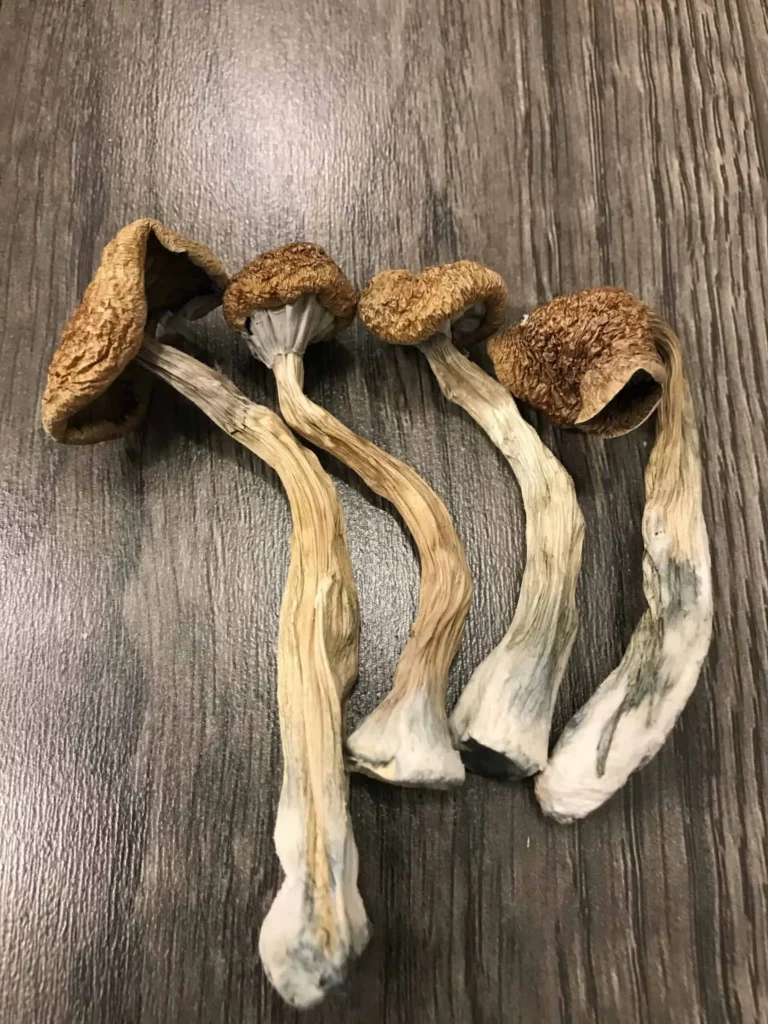
The term magic mushrooms commonly refers to fungi that contain psychoactive compounds such as psilocybin and psilocin.
These substances have attracted attention from researchers because of ongoing scientific studies into their possible effects and potential therapeutic applications. However, research interest does not mean that products are legally available for general consumer sale or use.
For this reason, readers should always separate:
- Scientific research
- Medical development
- Legal regulation
- Public discussion
- Commercial claims
Understanding these differences is an important part of navigating information about magic mushrooms responsibly.
The Current Legal Position in the UK
The legal status of psilocybin is one of the most important issues surrounding magic mushroom commerce in the UK.
UK parliamentary information states that psilocybin is controlled as a Class A drug and is placed in Schedule 1. The government has also stated that there are no current plans to reschedule psilocybin for general prescribing, although research and clinical development can take place under appropriate regulatory controls.
Because laws and regulations can change, people should avoid relying on outdated social media posts, anonymous forums, or unsupported commercial claims.
Understanding the Difference Between Commerce and Research
One common source of confusion is the difference between a commercial market and regulated scientific research.
Research organisations may study controlled substances under strict legal and regulatory conditions. This is different from ordinary consumer commerce.
A research project may involve:
- Licensed facilities
- Approved researchers
- Clinical trials
- Regulatory oversight
- Safety procedures
- Scientific data collection
The UK government has noted that research facilities are involved in developing and evaluating the safety and effectiveness of potential psilocybin therapies.
Therefore, readers should not assume that news about a clinical study means that a product is legally available for general retail purchase.
Why Magic Mushroom Commerce Attracts Attention
The subject attracts interest for several reasons.
First, there is growing public interest in psychedelic science. News about clinical studies can lead people to search for more information about psilocybin and related compounds.
Second, online discussion has made information easier to access. Unfortunately, this also makes misinformation easier to spread.
Third, consumers may encounter websites making claims about legality, delivery, quality, or medical benefits. These claims should always be treated carefully and independently verified.
A trustworthy information source should explain the topic clearly rather than making exaggerated promises.
How to Identify Reliable Information
When researching magic mushrooms in the UK, quality information matters.
Look for content that:
- Clearly explains the current legal context
- Separates research from commercial claims
- Avoids promising guaranteed results
- Does not exaggerate health benefits
- Uses reliable and relevant sources
- Includes publication dates where appropriate
- Is updated when important laws or regulations change
Google’s own guidance recommends creating helpful, reliable, people-first content rather than content designed mainly to manipulate search rankings. It also emphasises clear authorship, useful information, and trustworthiness.
Be Careful With Medical Claims
Magic mushrooms and psilocybin are frequently discussed in connection with mental health research. However, research findings should not automatically be presented as proven treatment advice.
A responsible website should avoid claims such as:
- “Guaranteed cure”
- “Works for everyone”
- “Completely safe”
- “No risks”
- “Approved treatment” when this is not accurate
The UK government has stated that no psilocybin-based medicines currently have marketing authorisation in the UK. Any future medicine would need to go through the appropriate development, evaluation, and licensing processes.
Clear, accurate language helps protect readers from misleading health information.
The Role of Consumer Awareness
Consumer awareness is essential in any emerging or controversial market.
People should question:
- Is the information legally accurate?
- Is the website making unrealistic promises?
- Are health claims supported by reliable evidence?
- Is the information clearly dated and updated?
- Does the content explain important risks and limitations?
- Is there a clear distinction between education and advertising?
These questions can help readers make better-informed decisions when navigating complex online information.
The Future of Magic Mushroom Research in the UK
The future remains an area of scientific and regulatory discussion.
Research into psilocybin continues under controlled conditions, and potential therapies must meet established standards for safety, quality, and effectiveness before they can receive appropriate authorisation.
Future developments may depend on:
- Clinical trial results
- Regulatory decisions
- Scientific evidence
- Safety assessments
- Government policy
- Medical licensing processes
For now, it is important to follow official and reliable sources instead of assuming that international developments automatically change the law in the UK.
Responsible Content and SEO for Magic Mushroom Websites
For websites publishing educational content about magic mushrooms, SEO should never come before accuracy.
Google recommends content that is useful, easy to read, well organised, and created for people rather than primarily for search engines. It also recommends descriptive page titles, clear headings, logical organisation, and content that genuinely helps visitors.
For a strong article, focus on:
- A clear and descriptive title
- Short paragraphs
- Useful H2 and H3 headings
- Natural keyword usage
- Accurate information
- Original analysis and explanations
- Relevant internal links
- A clear author or editorial identity
- Regular reviews for outdated legal information
This approach is more sustainable than keyword stuffing or publishing thin content designed only to attract search traffic.
Conclusion
Understanding magic mushroom commerce in the UK requires a careful approach. The topic sits at the intersection of law, scientific research, public interest, and online information.
The most important step is to distinguish between research developments, legal regulation, and commercial claims. Psilocybin remains a controlled substance in the UK, while scientific research into potential medical applications continues under appropriate regulatory frameworks.
No Responses