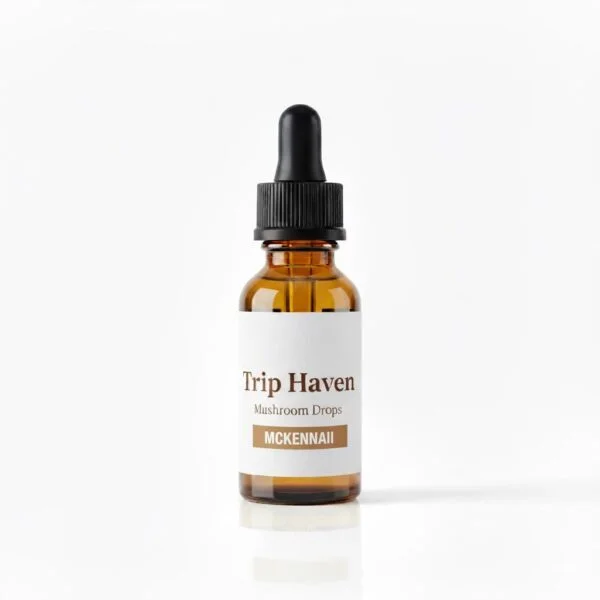
A Shopper’s Guide: Exploring UK Markets for Mushroom Drops
Introduction
What Are Mushroom Drops?
Common functional mushroom ingredients include:
- Lion’s mane: Commonly studied for its potential relationship with cognitive health.
- Reishi: Traditionally used in some wellness practices.
- Chaga: A mushroom known for its naturally occurring compounds.
- Cordyceps: Frequently included in products marketed for energy and physical performance.
Research into the health benefits of these mushrooms is ongoing. Traditional use and marketing claims do not necessarily establish that a product is effective or safe.
It is also important to distinguish functional mushroom extracts from products containing psilocybin or other controlled substances. They are not interchangeable, and their legal status can differ significantly.
Understanding the UK Market for Mushroom Drops
The UK market includes a range of mushroom-based products, from food supplements to liquid extracts. Before considering any product, shoppers should establish exactly what it contains and whether it can legally be sold for its intended use.
Product names and advertising descriptions alone are not reliable indicators of composition. A bottle labelled “mushroom drops” may contain ordinary mushroom extracts, while another product using similar wording may contain entirely different ingredients.
When researching products, focus on the actual ingredient list, the manufacturer’s information, and any relevant regulatory requirements.
Five Things to Check Before Choosing Mushroom Drops
1. Read the Ingredient Label
A clear label should identify the ingredients and provide relevant product information. Look for the mushroom species, extract details where applicable, serving information, warnings, and manufacturer or distributor details.
Avoid products with vague descriptions, undisclosed ingredients, or unsupported claims about their effects.
2. Check Supplier Transparency
A responsible supplier should provide accessible contact information, clear business details, and straightforward product descriptions.
Be cautious if a seller refuses to identify ingredients, makes extraordinary promises, or pressures customers to make immediate purchases.
3. Look for Reliable Quality Information
Depending on the product, relevant quality documentation may include independent laboratory testing, contaminant screening, and information about manufacturing standards.
A laboratory report should relate to the specific product or batch being assessed. General statements such as “premium quality” or “100% pure” are not substitutes for verifiable evidence.
4. Be Careful With Health Claims
Claims that mushroom drops can cure diseases, guarantee better memory, or produce specific medical outcomes should be treated cautiously.
Food supplements are not substitutes for medical treatment. Anyone considering a supplement alongside prescription medicines should consult a qualified healthcare professional about possible interactions.
5. Understand the Legal Status
The legal position depends on the ingredients, product classification, intended use, and applicable UK legislation.
Products containing psilocybin or psilocin are generally controlled under UK drug laws, subject to limited statutory exceptions. Do not assume that a product is legal simply because it is advertised online or shipped from within the UK.
Check current official guidance before purchasing, possessing, importing, or supplying a product whose legal status is uncertain.
Mushroom Drops and Functional Mushroom Supplements: What Is the Difference?
Understanding the distinction between product categories can help shoppers avoid confusion.
Functional mushroom supplements typically contain ingredients such as lion’s mane, reishi, or cordyceps and may be sold as powders, capsules, or liquid extracts.
Psychoactive mushroom products may contain substances that affect perception, mood, or cognition. These products have different safety considerations and may be subject to strict legal controls.
The term “mushroom drops” does not establish which category a product belongs to. Always verify its composition instead of relying on the product name or promotional description.
How to Research Mushroom Products Online in the UK
Online research can help shoppers compare product information before making a decision. Consider these steps:
- Search for the exact product name and its listed ingredients.
- Read the manufacturer’s information and check whether claims are supported by credible evidence.
- Look for independent testing where appropriate.
- Review warnings, storage instructions, and information about potential interactions.
- Verify the product’s legal status using official UK sources.
- Avoid sellers who conceal ingredients or make misleading health or legal claims.
Independent research is particularly important when a product’s ingredients or effects are unclear.
Safety Considerations Before Using Mushroom Drops
Natural ingredients are not automatically safe for everyone. Mushroom extracts and other concentrated ingredients can cause adverse effects, and their interactions with medicines may not be well understood.
People who are pregnant or breastfeeding, have existing health conditions, or take prescription medication should seek appropriate professional advice before using unfamiliar supplements.
Products containing psychoactive or controlled substances raise additional concerns. Their composition and potency may be unpredictable, and their effects can include anxiety, confusion, impaired judgement, and other serious adverse reactions.
If a product’s contents cannot be verified, the safest choice is not to consume it.
Frequently Asked Questions
Are mushroom drops legal in the UK?
It depends on the ingredients and product category. Some ordinary mushroom-based food supplements may be legally sold when applicable requirements are met. Products containing controlled substances, including psilocybin or psilocin, are generally subject to strict legal restrictions.
Are all mushroom drops the same?
No. Formulations can vary substantially. Some contain functional mushroom extracts, while others may be marketed using similar terminology despite containing different substances.
How can shoppers assess mushroom product quality?
Check the ingredient list, manufacturer details, appropriate quality documentation, warnings, and evidence supporting product claims. Do not rely solely on online reviews or promotional language.
Can mushroom drops treat medical conditions?
Consumers should not assume that mushroom drops can treat or cure a medical condition. Evidence varies by ingredient, formulation, and intended use. Consult a qualified healthcare professional about medical concerns.
What should shoppers do if a product’s ingredients are unclear?
Avoid using the product until its composition and safety information can be independently verified. Seek advice from an appropriate healthcare professional or relevant regulatory authority if necessary.
Final Thoughts
Exploring the UK market for mushroom drops requires more than comparing product names or promotional offers. Shoppers should understand the difference between functional mushroom extracts and psychoactive products, examine ingredient information carefully, and verify applicable UK regulations.
Transparent product information, credible quality evidence, realistic health claims, and legal compliance are essential considerations when researching mushroom-based products.
By prioritising reliable information over marketing promises, consumers can make better-informed decisions about the products they encounter online.
No Responses