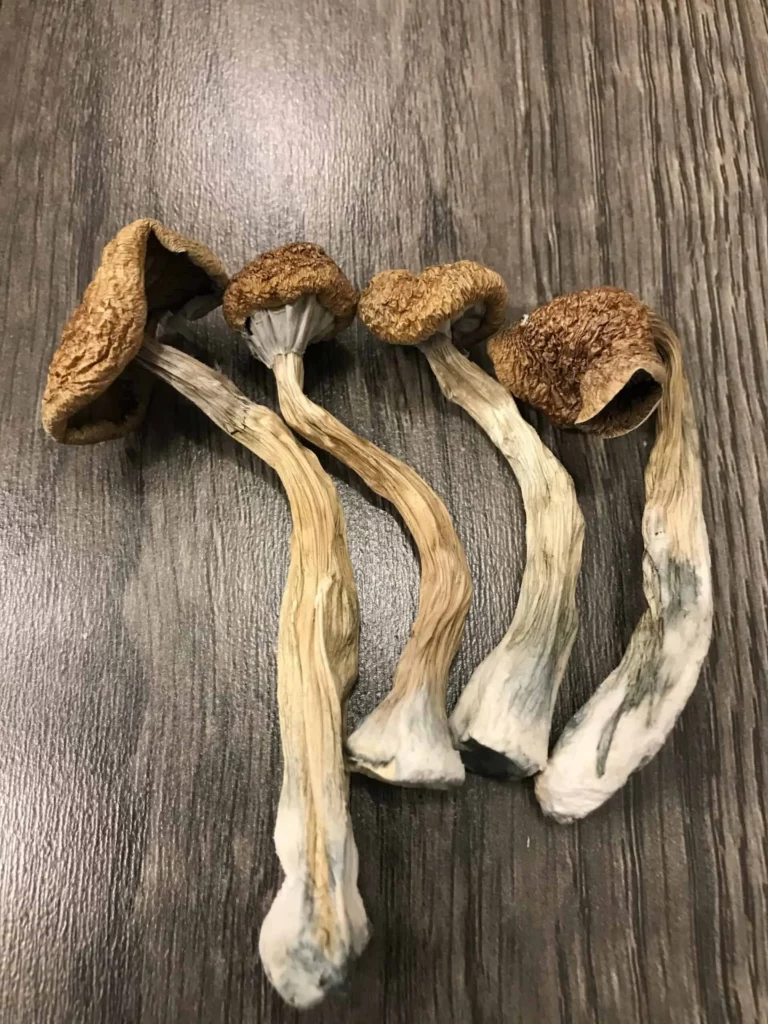
As interest in psychedelics continues to grow, fresh psychedelic mushrooms have emerged as a fascinating and accessible gateway to exploring altered states of consciousness and their potential benefits. These unique fungi, known for their mind-expanding properties, have been utilized for centuries in various cultures for spiritual and therapeutic purposes. In this article, we will unlock the secrets of fresh psychedelic mushrooms, guiding you through their identification, benefits, safe foraging practices, and legal considerations, while also connecting you with resources and communities that celebrate these remarkable organisms. Whether you’re a curious newcomer or an experienced forager, there’s much to discover in the enchanting world of psychedelic mushrooms.
Understanding Psychedelic Mushrooms: An Overview
History and Cultural Significance
Psychedelic mushrooms, often referred to as magic mushrooms, have a storied history woven into human culture. Indigenous peoples around the globe have utilized these fungi for spiritual rituals, healing practices, and exploration of consciousness for centuries—think of them as the ancient GPS for navigating the inner psyche. From the Mazatec shamans of Mexico to the Siberian reindeer herders who’d chow down on Amanita muscaria, these mushrooms have been revered for their mind-altering properties and mystical experiences. Flipping through the pages of history, one can find how these fungi played pivotal roles in religious ceremonies and healing practices long before they became the darling of the 1960s counterculture.
Types of Psychedelic Mushrooms
So, what’s cooking in the world of psychedelics? There are over 200 species of mushrooms that can get you tripping, but the stars of the show are the Psilocybe genus, with Psilocybe cubensis being the headline act. These mushrooms are easily recognizable and celebrated for their potency. Then there’s the Psilocybe semilanceata, aka the Liberty Cap, known for its distinctive conical shape and affinity for grassy meadows. For those feeling adventurous, the Psilocybe azurescens can pack a serious punch, but they’re not for the faint of heart. Remember, if you can’t tell the difference between a gourmet mushroom and a lookalike with bad intentions, it’s best to stick with your pizza toppings!
The Benefits of Fresh Psychedelic Mushrooms
Mental Health and Therapy
Recent research has shed light on the therapeutic potential of fresh psychedelic mushrooms, making them the new kids on the block in the mental health arena. Studies reveal that compounds like psilocybin can alleviate symptoms of depression, anxiety, and PTSD—essentially providing a much-needed refresh button for the brain. It’s like a personal therapist that you can fit in your pocket! With guided sessions, these mushrooms help patients confront deep-seated trauma and find a new perspective, almost like wearing a special pair of glasses that reveal hidden truths.
Potential for Creativity and Insight
Ever feel like your brain is on a treadmill, running in place but getting nowhere? Fresh psychedelic mushrooms have been known to help break that mental rut, sparking creativity and new ideas like confetti at a parade. Artists, musicians, and writers have sung their praises, claiming that a trip can unlock doors to parts of the brain they never knew existed. It’s like your creativity gets a booster shot and suddenly, you’re seeing the world through a kaleidoscope of possibilities. Remember, it’s not just about the next big idea; it’s also about seeing the ordinary in extraordinary ways.
Identifying Local Varieties: What to Look For
Common Species in Different Regions
Alright, mushroom hunters, it’s time to channel your inner botanist! Depending on where you are, you might stumble upon a variety of psychedelic mushrooms. In the lush forests of the Pacific Northwest, you’ll find the beloved Psilocybe cyanescens, while the sunny fields of the Southeast may hold surprises in the form of Psilocybe cubensis. Meanwhile, the Northeast is home to the Liberty Cap. Remember, while location is important, even if you find mushrooms, it’s always wise to double-check before indulging—like checking the weather before a picnic!
Key Identification Features
When identifying psychedelic mushrooms, a sharp eye is key. Look for characteristics such as color, shape, and size. Most Psilocybe mushrooms tend to have that distinctive conical cap and a gills structure that reveals their spore color upon maturity—brownish to black, for the curious. The stems often bruise blue when handled, a tell-tale sign of potential magic. But beware: many lookalikes are out there playing tricks! So, if the mushroom looks weird or unidentifiable, it’s safer to leave it for Mother Nature to keep.
Safety First: Responsible Foraging Practices
Understanding Dosage and Potency
When it comes to consuming fresh psychedelic mushrooms, it’s all about balance—think Goldilocks rather than a wild party. Dosage can vary widely depending on the species and individual tolerance, so it’s recommended to start small and go slow. You don’t want to be the person who accidentally booked a one-way ticket to the outer realms without a return plan. Knowing how potent your pick is and adjusting dosage accordingly ensures you enjoy a safe and enlightening experience rather than an unexpected emotional rollercoaster.
Environmental Considerations for Foraging
Foraging responsibly is not just about your safety; it’s about being a good human! Always be mindful of the environment; avoid overharvesting (those ecosystems need a little love too), and stick to areas where foraging is permitted. Make sure to leave no trace—take only pictures, leave only footprints. Besides, Mother Nature has a way of giving back; your respectful foraging might just leave you with a few extra magical moments in the great outdoors!
Legal Considerations: Psychedelic Mushrooms in Your Area
Current Laws and Regulations
Psychedelic mushrooms, also known as psilocybin mushrooms, are experiencing a legal rollercoaster across the globe. In some places, they remain firmly in the “keep out” zone, while others are cautiously dipping their toes into decriminalization. For instance, Oregon has broken ground by allowing psilocybin therapy within a regulated framework. Meanwhile, cities like Denver and Oakland have chosen to basically ignore the “just say no” mantra, opting to decriminalize small amounts. Always double-check your area’s laws before embarking on your fungal adventure—ignorance may not be bliss when it comes to legalities!
Working Towards Legalization
As the stigma surrounding psychedelics continues to crumble, advocacy groups are working diligently to promote legalization and regulation. Many activists argue that the therapeutic benefits of psilocybin should be accessible, much like medical marijuana. Various states are eyeing ballot measures for upcoming elections, and public interest is higher than ever (thanks, Netflix specials!). So, keep your ears to the ground—who knows, your city might be next to embrace the magic of mushrooms in a legal way!
Preparing and Consuming Fresh Mushrooms
Methods of Preparation
When it comes to preparing fresh psychedelic mushrooms, the options are as plentiful as a well-stocked fridge. You can enjoy them raw for the full effect or consider brewing them in a delightful tea for a gentler experience. Some adventurous souls even dried them and ground them into a powder to mix into smoothies or baked goodies. Just remember, whatever your method, start with a little; a microdose is often the safest bet for first-timers or those unfamiliar with their own tolerances.
Recipes and Consumption Tips
If you’re looking to spice up your mushroom experience (not literally—please don’t put them on your pepperoni pizza), try a classic mushroom tea! Just steep some fresh mushrooms in hot water for about 15-20 minutes. You can add honey and lemon for flavor. Feeling a bit bolder? Make a magical chocolate bark—melt some dark chocolate, mix in your finely chopped mushrooms, pour it onto parchment paper, and voilà! Let it cool, break it up, and enjoy (responsibly, of course). And always, always have a trusty friend around to keep the vibe light and safe!
The Therapeutic Potential of Psychedelic Mushrooms
Research and Clinical Trials
The scientific community is waking up to the benefits of psychedelic mushrooms, and the research coming out is both fascinating and promising. Clinical trials are exploring psilocybin’s potential in treating various mental health conditions, including depression, anxiety, PTSD, and addiction. Results have shown that participants often experience significant improvements, not just during the study but long after—talk about making a lasting impression! As we continue to unlock the secrets of these fungi, the “magic” in magic mushrooms is beginning to look a little less mythical and a lot more medicinal.
Personal Stories and Testimonials
Forget the celebrity endorsements; the real magic lies in personal stories from everyday folks. Many individuals have shared transformative experiences after their journeys with psilocybin, highlighting newfound perspectives on life, an appreciation for nature, or even healing from trauma. These testimonials often paint a vivid picture of how mushrooms can act as catalysts for self-discovery and emotional catharsis. Just remember: while others may have had mystical experiences, it’s essential to approach your own journey with an open, yet cautious mindset.
Resources for Enthusiasts: Communities and Guides
Online Communities and Forums
The internet is bursting with vibrant communities and forums dedicated to all things psychedelic. Websites like The Third Wave, Shroomery, and Reddit’s r/PsychedelicMedicine are excellent places to trade stories, ask questions, and connect with fellow enthusiasts. Just remember to keep your discussions respectful and informed—after all, these spaces are about sharing knowledge, not just trippy tales!
Books and Educational Resources
If you’re looking to deepen your understanding of psychedelic mushrooms, there are plenty of books and resources out there to satiate your curiosity. Titles such as “How to Change Your Mind” by Michael Pollan provide a profound exploration of psychedelics’ history and potential, while “The Psilocybin Mushroom Bible” offers practical advice on cultivation and consumption. Additionally, documentaries and podcasts can be great ways to stay updated on current research and personal experiences. Just grab your favorite cozy spot, a cup of tea, and prepare to munch on some knowledge!In conclusion, fresh psychedelic mushrooms offer a unique opportunity to explore the depths of consciousness and enhance personal well-being. By understanding their benefits, learning to identify local varieties, and practicing responsible foraging, you can safely engage with these fascinating fungi. As you embark on your journey, remember to stay informed about legal considerations and connect with like-minded individuals in the community. Whether for therapeutic use or personal exploration, the secrets of nature await you in the world of psychedelic mushrooms.
Frequently Asked Questions
1. Are psychedelic mushrooms legal in my area?
The legality of psychedelic mushrooms varies by location. It is essential to research the laws specific to your region, as some areas have decriminalized their use, while others still classify them as illegal substances.
2. How can I safely identify psychedelic mushrooms?
To safely identify psychedelic mushrooms, familiarize yourself with key characteristics such as color, shape, and habitat. It is recommended to use guides, field manuals, or apps, and consult with experienced foragers to avoid misidentification.
3. What are the potential health benefits of consuming psychedelic mushrooms?
Research suggests that psychedelic mushrooms may offer various health benefits, including relief from anxiety and depression, enhanced creativity, and improved emotional well-being. However, individual responses can vary, and further studies are ongoing.
4. How should I prepare and consume fresh psychedelic mushrooms?
Fresh psychedelic mushrooms can be consumed raw, dried, or prepared in various recipes. Common methods include making teas or incorporating them into food. Start with a low dose to gauge your sensitivity and effects before consuming more.
No Responses