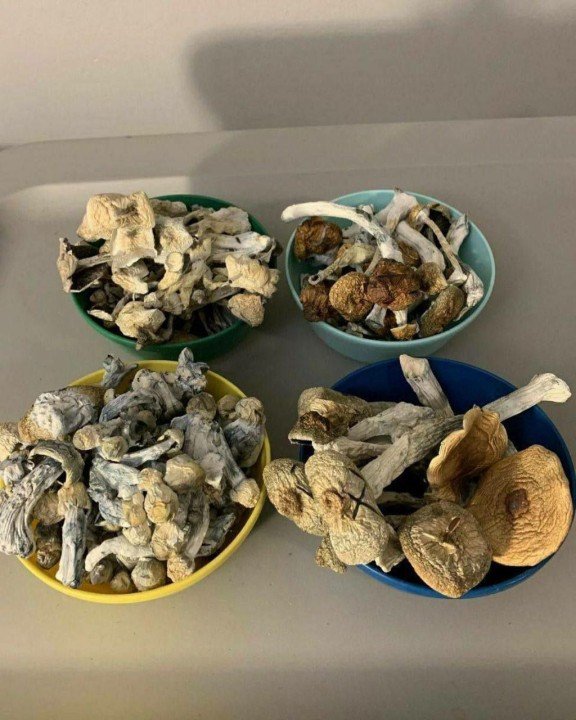
Foraging for psychedelic mushrooms has become an increasingly popular pursuit across the UK, drawing enthusiasts eager to explore the natural landscape while seeking out these fascinating fungi. With a rich variety of species and a history steeped in cultural significance, the art of mushroom foraging offers not only an exciting outdoor adventure but also a chance to connect with nature in profound ways. However, navigating the legal landscape, understanding the seasonal growth patterns, and distinguishing between edible and toxic varieties are essential for any budding forager. This article will guide you through the top locations for foraging fresh psychedelic mushrooms in the UK, along with valuable tips and insights to ensure a safe and sustainable experience.
Understanding Psychedelic Mushrooms: Varieties and Effects
Common Species Found in the UK
In the UK, foragers might encounter a few notable psychedelic mushroom species, with the star of the show being the **Liberty Cap** (Psilocybe semilanceata). These little guys are often found in grassy fields and are known for their iconic bell-shaped caps. Another contender is the **Psilocybe cyanescens**, also known as the wavy cap, which thrives in wood chips and mulch. While foraging, it’s essential to know that identifying mushrooms can be tricky—so be sure to double-check, because nobody wants a side of mystery with their meal!
The Science Behind Psychedelics
Psychedelic mushrooms contain the active compound psilocybin, which, when ingested, converts to psilocin in the body. This nifty little transformation is what leads to altered perceptions, vivid visuals, and that whimsical feeling of connection to the universe. Neuroscience research suggests that psilocybin can temporarily alter brain connectivity and promote introspection, leading to those “Aha!” moments—or at least a very memorable day in the woods. Just remember, your brain is still a work in progress, so don’t expect it to have all the answers!
Potential Benefits and Risks
Diving into the world of psychedelics isn’t just a whimsical trip; it holds potential therapeutic benefits such as reducing anxiety, alleviating depression, and fostering creativity. However, it’s not all sunshine and rainbows. Risks include the possibility of feeling overwhelmed, anxiety, or even having a bad trip—sort of like discovering your favorite shirt has shrunk in the wash. While many report positive experiences, it’s essential to approach with caution. Always consider your mental health and do your research!
The Legal Landscape of Foraging in the UK
Legal Status of Psychedelic Mushrooms
In the UK, psychedelic mushrooms are classified as Class A drugs under the Misuse of Drugs Act 1971, making them illegal to possess, distribute, or cultivate. Yes, this means that while you might enjoy the beauty of nature, you need to keep your hands and thoughts away from those cap-tivating fungi. The law doesn’t mess around, so it’s best to leave the foraging of these particular mushrooms to the realm of fantasy (or, you know, the underground scene, which is perhaps best left unmentioned on formal occasions).
Local Regulations and Guidelines
While the law is clear on the possession of psychedelic mushrooms, local regulations about foraging can vary. In general, foraging for wild mushrooms (that aren’t psychedelic, of course) in public spaces like parks or woodlands may be allowed, but some areas require permission from landowners. Always check with local authorities or organizations to ensure you’re playing by the rules. The last thing you want is a run-in with the fungi police—those guys are really serious about their mushrooms!
Consequences of Illegal Foraging
Getting caught foraging psychedelic mushrooms can lead to some serious consequences, including hefty fines or even imprisonment. Not exactly the kind of souvenir you want to bring back from your foraging adventure! Additionally, there’s the risk of consuming the wrong mushroom, which can be much more dangerous than a mere legal scuffle—think more “hospital visit” than “mushroom party.” So, if you’re considering foraging, it’s best to stick to safe, legal options unless you’re ready to dance with a whole different kind of danger.
Best Seasons for Foraging Psychedelic Mushrooms
Seasonal Patterns and Growth Cycles
Psychedelic mushrooms tend to flourish during the damp, cooler months. In the UK, that typically means autumn (September to November). Think of it as nature’s version of a happy hour for fungi! The right weather, with moist conditions and temperatures around 10-15°C, signals to these fungi that it’s time to sprout, so keep your eyes peeled during those crisp, foggy mornings.
Optimal Conditions for Foraging
When it comes to foraging, timing is everything. After a good rain shower, when the ground is nice and damp, is prime time for mushroom hunting. Look for shady spots, grassy fields, and places that have healthy organic matter—think compost or leaf litter. It’s like a gourmet buffet for mushrooms! Just remember, your foraging success can be as unpredictable as British weather, so best to pack your raincoat and sense of humor for the journey.
Top Regions for Foraging: A Geographic Overview
Woodlands and Forests
The UK’s woodlands and forests are prime real estate for foraging, bursting with biodiversity like a hipster’s farmers’ market. Places like the New Forest and the Forest of Dean are known for their rich ecosystems, providing a bounty of wild mushrooms. You might even encounter the occasional deer looking on, confused about why you’re crouching around like a squirrel. Just remember, in these wooded wonderlands, approach with caution—you don’t want to disturb the local wildlife or step on any prized mushrooms in your quest!
Coastal Areas and Grasslands
If forests aren’t your jam, the coastal areas and grasslands can also provide great foraging opportunities. Dunes and grassy fields, especially in places like Pembrokeshire and Norfolk, can yield a delightful bunch of mushrooms. Plus, foraging near the coast means you can treat yourself to a seaside stroll and maybe a cheeky ice cream afterward. Just keep your eyes peeled and your wits about you—mushrooms can blend in better than a chameleon at a rainbow party!
Regional Hotspots: A Focus on Scotland, Wales, and England
Scotland’s lush glens and rugged highlands are known for rich biodiversity and a plethora of fungi, making it a haven for foragers. Head to Wales, where the ancient woodlands of Snowdonia and Brecon Beacons hold plenty of secrets beneath their leafy canopies. And don’t forget England, where you can find hotspots in places like the Lake District and the Cotswolds. Pack a picnic and your best foraging buddy, because these regions are as scenic as they are full of mushroom potential. Just remember: foraging is a team sport—bring snacks and keep each other in check!
Essential Foraging Tips for Beginners
Tools and Equipment Needed
Foraging doesn’t require a degree in advanced mushroomology, but having the right gear does help. Here’s a basic checklist:
– **Basket or Cloth Bag:** Avoid plastic bags; they suffocate mushrooms and ruin those perfect spores.
– **Sharp Knife or Scissors:** You’ll want to make clean cuts, not butcher your finds.
– **Field Guide:** A good mushroom identification guide will be your best friend—trust us, the ‘guess and test’ method is not advisable.
– **Notebook and Pen:** Jot down your foraging adventures and discoveries. Bonus points for doodles!
– **First Aid Kit:** Just in case you trip over a route while chasing after that perfect fungi.
Best Practices for Harvesting
Once you’ve located your shroomy treasure, there are a few golden rules for harvesting:
– **Take Only What You Need:** Leave some behind to ensure future foraging opportunities. Think of it as the circle of fungi life.
– **Use Clean Tools:** To prevent contamination, avoid using dirty knives. A little hygiene goes a long way.
– **Handle Gently:** Mushrooms are delicate creatures; treat them like the fragile gems they are.
– **Know Your Limits:** If you’re unsure about a species, best to leave it be. Better safe than sorry!
Documenting Your Finds
Documenting your finds is part foraging, part detective work. Here’s how to keep track:
– **Take Photos:** Snap pictures of mushrooms in their natural habitat and also any unique features up close. Your future self will thank you when you have to identify them later.
– **Record Locations:** Note down GPS coordinates or landmarks. It’s like geocaching but way more organic.
– **Describe Characteristics:** Write down color, size, and any interesting notes. Did it have a funny smell? Include that too!
– **Create a Foraging Journal:** Keep it fun! Jot down your thoughts during your expeditions and doodle the mushrooms to boost your artistry skills.
Safety Precautions: Identifying Edible vs. Toxic Mushrooms
Key Identification Features
Not all mushrooms are created equal—some can send you to the hospital quicker than you can say ‘trippy’. Here’s how to tell the difference:
– **Cap Shape:** Round, flat, or conical? Each shape often signals a different species.
– **Gills vs. Pores:** Look at the underside of caps. Gills can indicate edibility or toxicity, while pores might mean you’re on a slippery slope.
– **Color Changes:** Some mushrooms change color when bruised; keep an eye on them as they can be indicators of edibility.
– **Smell:** Yes, your nose matters here. A pleasant aroma usually points toward edibility, while foul smells scream ‘stay away’.
– **Habitat:** Look at where they grow. Some mushrooms have preference, so if they’re in a place known for danger (e.g., near a toxic dump—yikes!), steer clear.
Resources for Learning Identification Skills
Armed with your enthusiasm and a desire to learn, explore these resources:
– **Field Guides:** Books like “Mushrooms: A New Guide to Mushrooms of the British Isles” will be your mushroom Bible.
– **Mobile Apps:** For the tech-savvy forager, apps such as ‘Mushroom Identify’ are great for quick reference and identification.
– **Local Workshops:** Join a class or workshop where seasoned foragers share their wisdom—like going to the master of your favorite video game!
– **YouTube:** Yes, there are entire channels dedicated to mushroom foraging. Prepare to binge-watch and learn!
Signs of Poisoning and Emergency Steps
In the unfortunate event you eat something unsafe, recognize these signs:
– **Immediate Symptoms:** Nausea, vomiting, diarrhea—like your body’s way of saying “Oops, bad choice!”
– **Delayed Symptoms:** Some toxic mushrooms can take hours or even days before they show symptoms—so stay alert!
– **Emergency Steps:** Call emergency services immediately! If possible, take a sample of the mushroom you ate for identification.
– **Stay Calm:** Panic doesn’t help. Just remember what you’ve consumed and focus on getting medical help.
Sustainable Foraging Practices
Ethical Foraging Guidelines
Let’s keep our foraging mission eco-friendly with these guidelines:
– **Leave No Trace:** Don’t disturb the habitat. Take only what you can reasonably use and always tidy up after yourself.
– **Know the Rules:** Check local laws about wild foraging in your area. Some places might have restrictions to protect local ecosystems.
– **Spread the Love:** Share your knowledge instead of hoarding it. Encourage others to forage sustainably and with respect.
– **Be Mindful of Wildlife:** Consider the animals that inhabit your foraging area. Some mushrooms may provide them with essential food sources.
Impact on Local Ecosystems
Foraging can have various impacts, both positive and negative. Here’s how to preserve our delicate ecosystems:
– **Preserve Biodiversity:** By foraging responsibly, we can maintain a balanced ecosystem and support local biodiversity.
– **Prevent Overharvesting:** Be mindful not to over-harvest a single species, as this can cause harm to ecosystems and make it difficult for mushrooms to thrive.
– **Educate Others:** Host workshops or informational sessions in your community to raise awareness about sustainable foraging. The more, the merrier!
Community and Resources for Foragers in the UK
Foraging Groups and Clubs
Joining a community can make your foraging journey heaps of fun:
– **Local Foraging Clubs:** Check out clubs in your area where like-minded enthusiasts share tips and explore together.
– **Meetups:** Platforms like Meetup.com often have groups dedicated to foraging. Who knew you could make new friends over mushrooms?
– **Social Media Groups:** Dive into Facebook groups where foragers share their finds, tips, and occasionally, some humorous mushroom fails.
Online Forums and Educational Resources
The internet is your oyster (or mushroom, in this case)!
– **Reddit:** Subreddits like r/mycology have a plethora of information and discussions—perfect for the curious forager.
– **Blogs and Websites:** Sites like ‘Forage London’ offer invaluable information on local foraging spots and mushroom ID tips.
– **YouTube Channels:** Follow channels dedicated to foraging tips and identification—visual learning can be incredibly beneficial!
Workshops and Foraging Tours
Take your skills to the next level with hands-on experiences:
– **Guided Foraging Tours:** Local experts can lead you throughAs you venture into the world of foraging for psychedelic mushrooms, remember to prioritize safety, respect local regulations, and embrace sustainable practices. The experience can be both enlightening and rewarding, offering a unique connection to nature and the wonders it holds. Whether you’re a seasoned forager or just starting out, exploring the diverse landscapes of the UK can lead to unforgettable discoveries. Happy foraging!
Frequently Asked Questions
What are the legal restrictions on foraging psychedelic mushrooms in the UK?
The legal status of psychedelic mushrooms varies across the UK. While some species are classified as illegal under the Misuse of Drugs Act, others may be legal to forage in certain contexts. It’s crucial to familiarize yourself with local regulations before foraging.
How can I differentiate between edible and toxic mushrooms?
Identifying edible versus toxic mushrooms requires careful attention to detail. Key features to observe include the color, shape, and spore prints of the mushrooms, as well as their habitat. It’s advisable to use field guides or join foraging groups to enhance your identification skills.
What is the best time of year for foraging psychedelic mushrooms?
The optimal seasons for foraging psychedelic mushrooms typically fall in late summer to autumn, depending on the species and local climate conditions. Conditions such as moisture and temperature also play a significant role in their growth.
Are there any health risks associated with consuming psychedelic mushrooms?
Yes, consuming psychedelic mushrooms can carry risks, including potential psychological effects and physical reactions. It is essential to educate yourself on the species you are foraging and to understand the possible effects and challenges of consumption.
No Responses