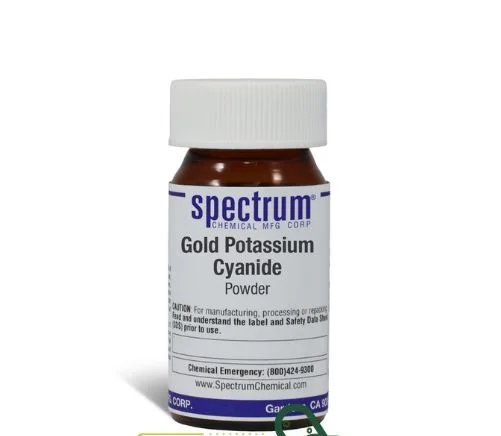
Description
Potassium Cyanide: Chemical Properties, Uses, Hazards and Safety Information
Introduction
Potassium Cyanide (KCN) is a highly toxic inorganic chemical compound known for its industrial and laboratory applications. It is a white crystalline substance that dissolves readily in water. Due to its extreme toxicity, potassium cyanide requires strict handling procedures, professional supervision, and appropriate safety controls.
This guide explores the chemical properties, industrial applications, potential hazards, and essential safety information associated with potassium cyanide.
What Is Potassium Cyanide?
Potassium cyanide is an inorganic chemical compound with the molecular formula KCN. It consists of potassium and cyanide ions.
It is recognized for its ability to participate in various industrial chemical processes. However, its extreme toxicity makes it a strictly controlled substance in many jurisdictions.
Chemical Information:
- Chemical name: Potassium Cyanide
- Chemical formula: KCN
- Molecular weight: 65.12 g/mol
- CAS number: 151-50-8
- Chemical classification: Inorganic cyanide salt
- Appearance: White crystalline solid
Industrial Applications of Potassium Cyanide
Potassium cyanide has historically been associated with certain specialized industrial processes.
Its applications include:
- Metal processing: Used in certain specialized metal-finishing and electroplating processes.
- Chemical manufacturing: Involved in selected industrial chemical reactions.
- Laboratory research: Used in controlled professional research environments.
- Metallurgical applications: Historically associated with particular metal extraction and processing operations.
Potassium Cyanide Hazards and Toxicity
Even relatively small exposures can cause severe poisoning and may be fatal.
Potential symptoms of cyanide poisoning include:
- Headache and dizziness.
- Difficulty breathing.
- Confusion and weakness.
- Seizures.
- Loss of consciousness.
- Cardiac arrest.
Suspected exposure requires immediate emergency medical attention.
Safety and Storage Considerations
Potassium cyanide should only be handled by appropriately trained professionals in authorized facilities.
Important safety considerations include:
- Follow applicable chemical safety regulations.
- Maintain appropriate institutional access controls.
- Consult the official Safety Data Sheet (SDS).
- Prevent accidental exposure and unauthorized access.
- Keep the substance away from acids and incompatible materials.
- Ensure appropriate emergency response procedures are available.
Never attempt to handle or dispose of potassium cyanide without professional authorization.
Frequently Asked Questions
Is potassium cyanide dangerous?
What is the chemical formula of potassium cyanide?
Its chemical formula is KCN.
What is potassium cyanide used for?
Does potassium cyanide require special handling?
Conclusion
Potassium cyanide is an important but extremely hazardous inorganic chemical compound with specialized industrial applications. Understanding its chemical properties, potential hazards, and regulatory requirements is essential for anyone researching this substance.
Safety, professional oversight, and regulatory compliance must always remain the highest priorities when dealing with highly toxic chemicals.
Reviews
There are no reviews yet.