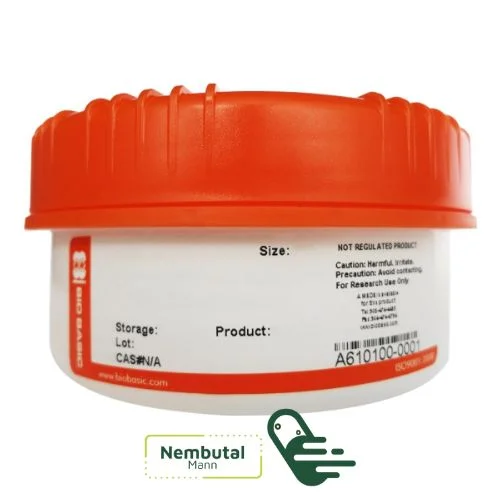
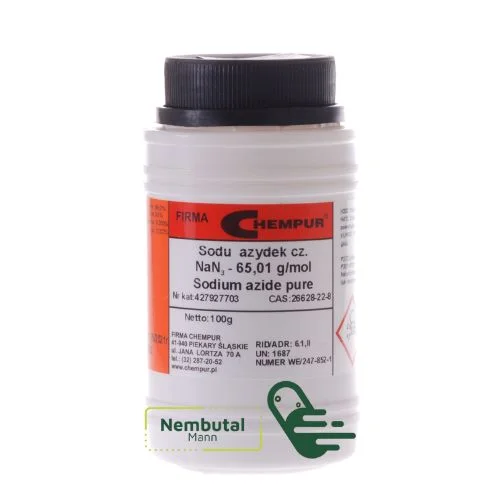
Description
Sodium Azide: Chemical Properties, Industrial Applications and Safety Information
Introduction
Understanding its chemical properties, applications and potential hazards is essential for organisations and professionals who work with regulated chemical substances.
What Is Sodium Azide?
Sodium Azide is typically found as a white, odourless crystalline solid. It belongs to a group of chemical compounds known as azides.
The substance is particularly known for its role in automotive airbag systems and selected laboratory applications. Despite its industrial importance, it presents serious health and environmental hazards.
Chemical Properties of Sodium Azide
Some general chemical identification details include:
- Chemical name: Sodium Azide
- Chemical formula: NaN₃
- CAS number: 26628-22-8
- Molecular weight: Approximately 65.01 g/mol
- Physical appearance: White crystalline solid
- Odour: Odourless
- Chemical classification: Inorganic azide compound
Industrial Applications
Sodium Azide has several specialised industrial applications.
1. Automotive Safety Systems
2. Laboratory Research
3. Chemical Manufacturing
The compound has applications in specialised chemical manufacturing processes. Such activities require qualified professionals and suitable regulatory oversight.
Health and Safety Risks
Sodium Azide is extremely toxic and can cause life-threatening poisoning through ingestion, inhalation or skin exposure.
Potential symptoms include:
- Headaches and dizziness
- Nausea and vomiting
- Difficulty breathing
- Reduced blood pressure
- Changes in heart rate
- Seizures and loss of consciousness
Severe exposure can result in serious damage to the cardiovascular and nervous systems.
Sodium Azide can also produce dangerous toxic gases and explosive compounds under certain chemical conditions. It must never be treated as an ordinary laboratory or household chemical.
Environmental Considerations
Improper disposal of Sodium Azide can create serious environmental and public safety hazards. It is particularly important to prevent uncontrolled releases into waterways, soil and drainage systems.
Chemical waste must be managed through authorised hazardous-waste procedures in accordance with applicable environmental regulations.
Frequently Asked Questions
Is Sodium Azide dangerous?
Yes. Sodium Azide is a highly toxic substance that can cause severe poisoning and death following significant exposure.
What is the chemical formula of Sodium Azide?
Its chemical formula is NaN₃.
What is Sodium Azide commonly used for?
It has been used in automotive airbag technology, specialised laboratory research and certain industrial chemical processes.
Is Sodium Azide suitable for mushroom cultivation?
No. Sodium Azide is not an ordinary mushroom cultivation product, nutritional supplement or food ingredient. It should not be used in mushroom growing or food preparation.
What should someone do after accidental exposure?
Move away from the affected area, avoid contact with contaminated materials and seek emergency medical assistance immediately. Do not attempt to handle or clean up an unknown chemical release yourself.
Conclusion
Sodium Azide is a specialised industrial chemical with important historical and technical applications. However, its extreme toxicity and potential chemical hazards make professional oversight and strict safety compliance essential.
Reviews
There are no reviews yet.