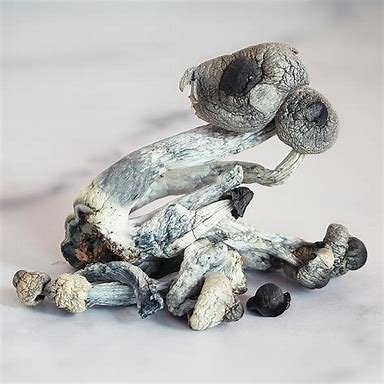
Best European Sources for Quality Dried Wild Mushrooms
Introduction
Europe has a long tradition of harvesting, preparing and enjoying wild mushrooms. From the forests of Eastern Europe to the mountainous regions of Italy and France, different areas are known for producing distinctive edible mushroom varieties with rich aromas and flavours.
Dried wild mushrooms are popular among food enthusiasts because drying helps preserve their flavour and makes them convenient to store and use throughout the year. However, finding quality products requires attention to their origin, harvesting practices, processing methods and food-safety standards.
In this guide, we explore some of Europe’s important regions for dried culinary wild mushrooms, what makes their products distinctive and how consumers can identify reliable suppliers.
1. Eastern Europe: A Traditional Source of Wild Mushrooms
Eastern Europe has a strong history of wild mushroom harvesting. Countries such as Poland, Romania and Bulgaria are recognised for their mushroom traditions and forest resources.
Popular culinary varieties include:
- Porcini mushrooms
- Chanterelle mushrooms
- Black trumpet mushrooms
- Morel mushrooms
These mushrooms are appreciated for their distinctive flavours and versatility in traditional European cooking.
When choosing dried mushrooms from Eastern European suppliers, check the country of origin, species identification, processing information and food-safety documentation.
2. Italy: Famous for Premium Dried Porcini
Italy is particularly well known for its culinary mushroom culture. Dried porcini mushrooms are widely used in Italian cuisine, especially in risotto, pasta, soups and sauces.
Quality dried porcini are valued for their concentrated aroma and earthy flavour.
When purchasing Italian dried mushrooms, look for:
- Clearly identified mushroom species.
- Consistent drying and packaging quality.
- Information about harvesting and processing.
- Appropriate food-business registration.
- Clear storage and best-before information.
Italian dried porcini can be an excellent choice for consumers looking for traditional gourmet ingredients.
3. France: A Strong Tradition of Gourmet Mushrooms
France has a well-established gourmet food market, including a variety of wild edible mushrooms.
Morels, chanterelles and porcini are among the culinary varieties associated with French cooking.
Dried mushrooms are particularly useful in French recipes because their concentrated flavours complement sauces, meat dishes, vegetable preparations and soups.
Consumers should prioritise suppliers that provide transparent product descriptions, reliable packaging and clear information about the origin of their mushrooms.
4. Germany: Quality Standards and Food Traceability
Germany offers a developed food distribution market with established expectations around product labelling, hygiene and traceability.
When shopping for dried wild mushrooms through German food retailers, consumers should look for products that provide:
- Scientific and common mushroom names.
- Country of origin.
- Batch or lot identification.
- Best-before dates.
- Storage instructions.
- Relevant food-safety information.
Traceability is important because it helps consumers and food authorities identify where products originate and how they move through the supply chain.
5. Romania and Bulgaria: Eastern European Forest Varieties
Romania and Bulgaria are also associated with the collection and commercial distribution of wild edible mushrooms.
Their forest resources support traditional mushroom harvesting, and Eastern European suppliers contribute to the wider European dried mushroom market.
Porcini, chanterelles and other recognised edible varieties are commonly associated with this regional trade.
However, the quality of a product should never be determined by its country of origin alone. Responsible harvesting, correct identification, hygienic processing and suitable storage are equally important.
How to Identify High-Quality Dried Wild Mushrooms
Not all dried mushroom products offer the same quality. Before purchasing, consider the following factors.
1. Correct Species Identification
The supplier should provide both the common and scientific name of the mushroom. This helps consumers distinguish between edible varieties and avoid confusion involving similar-looking species.
2. Proper Drying Methods
Proper dehydration helps reduce moisture and preserve mushrooms for storage.
Products should be appropriately dried and protected against moisture during transportation and storage.
3. Clean Packaging
Quality dried mushrooms should be packaged in clean, food-grade materials that protect them from moisture, dirt and contamination.
Avoid products with visible mould, unusual contamination or damaged packaging.
4. Transparent Product Information
Reliable suppliers should provide details about the product’s origin, species, processing, batch identification and shelf life.
5. Food-Safety Compliance
Look for suppliers that follow applicable food hygiene requirements and can provide relevant quality-control or laboratory-testing information.
European food regulations establish requirements for contaminants, hygiene and food information. These standards are important considerations when choosing dried mushroom products.
Why European Dried Wild Mushrooms Are Popular
There are several reasons why European dried culinary mushrooms attract interest from consumers and professional kitchens.
Distinctive flavour: Varieties such as porcini and chanterelles are valued for their characteristic aromas.
Convenient storage: Properly dried mushrooms are easier to store than fresh mushrooms when kept in suitable conditions.
Versatile cooking: Dried mushrooms can be incorporated into pasta, risotto, soups, sauces and other dishes.
Traditional harvesting: Several European regions have longstanding traditions of collecting and preparing edible wild mushrooms.
Where Should You Look for Quality Dried Wild Mushrooms?
Consumers interested in purchasing dried edible mushrooms can explore several established retail channels:
- Specialist European food retailers: Look for businesses specialising in gourmet ingredients and dried culinary mushrooms.
- Regional food producers: Consider established producers with transparent harvesting and processing information.
- Organic food shops: Check whether their dried mushroom products carry appropriate organic certification where applicable.
- Specialist online food stores: Choose retailers that publish detailed product descriptions, ingredient information and clear business contact details.
- European wholesale food distributors: Restaurants and commercial kitchens can investigate established distributors offering traceable products and food-safety documentation.
Always verify that the specific mushroom species is legally permitted for sale and consumption in the country where you intend to purchase it.
Safe Storage and Preparation of Dried Mushrooms
Correct storage helps maintain the quality of dried culinary mushrooms.
Follow these basic recommendations:
- Keep products in airtight packaging.
- Store them in a cool, dry location.
- Protect them from direct sunlight.
- Follow the manufacturer’s storage instructions.
- Do not consume products showing signs of mould or deterioration.
- Follow the recommended preparation and cooking instructions.
Only purchase mushrooms identified as suitable for human consumption by a reputable food supplier. Never assume that an unidentified wild mushroom is safe because it has been dried.
Conclusion
Europe offers several established regions for quality dried culinary wild mushrooms. Italy, France, Germany, Poland, Romania and Bulgaria all have important connections to the European mushroom trade.
However, finding a quality product involves more than choosing a particular country. Species identification, responsible harvesting, proper dehydration, clean packaging and transparent traceability are essential factors.
Whether you are a home cook, gourmet food enthusiast or professional chef, choosing a reputable supplier can help you enjoy the distinctive flavours of European dried wild mushrooms with greater confidence.
Choose quality, prioritise food safety and always purchase properly identified edible mushroom products from trustworthy food businesses.
No Responses