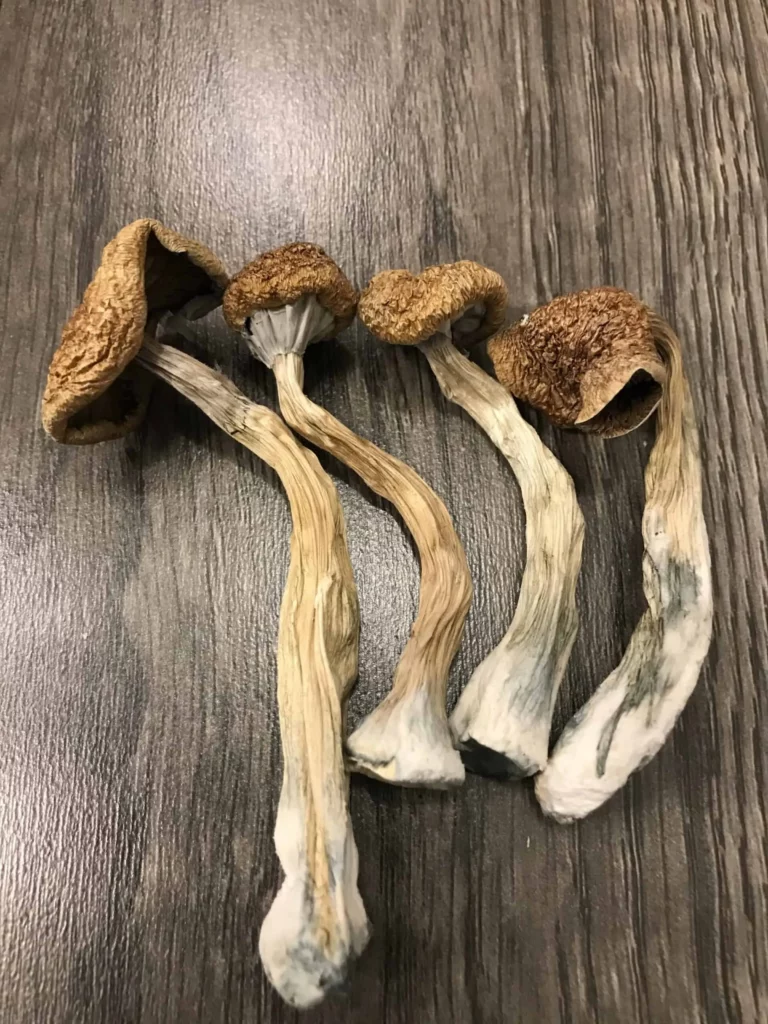
A Beginner’s Guide to Cooking with Dried Wild Mushrooms
For beginners, cooking with dried wild mushrooms may seem complicated at first. However, once you understand how to select, clean, soak, and prepare them, they can become a valuable addition to your kitchen.
What Are Dried Wild Mushrooms?
Unlike fresh mushrooms, dried varieties often develop a concentrated flavour during the drying process. This makes them particularly useful in dishes that benefit from deep, earthy, and savoury notes.
Popular culinary varieties include:
- Porcini mushrooms: Known for their rich, nutty, and earthy flavour.
- Chanterelle mushrooms: Appreciated for their delicate, fruity aroma.
- Morel mushrooms: Recognised for their distinctive flavour and textured appearance.
- Black trumpet mushrooms: Valued for their deep, smoky characteristics.
- Shiitake mushrooms: Commonly used in soups, sauces, and Asian-inspired dishes.
Always purchase dried mushrooms from reputable food suppliers and make sure the species is correctly identified.
Why Cook with Dried Wild Mushrooms?
There are several reasons why dried wild mushrooms are popular among home cooks and professional chefs.
1. Rich and Concentrated Flavour
Drying concentrates the natural flavours of mushrooms, making even a small quantity useful in soups, sauces, stews, and other recipes.
2. Convenient Storage
Dried mushrooms generally take up less space than fresh mushrooms. When stored correctly in an airtight container, they can remain suitable for culinary use for an extended period.
3. Versatile Cooking Ingredient
You can incorporate dried mushrooms into numerous dishes, including pasta, rice, omelettes, vegetable stews, sauces, and homemade soups.
4. Easy to Prepare
Most commercially prepared dried culinary mushrooms only require soaking before cooking. Once rehydrated, they can be incorporated into many traditional recipes.
How to Prepare Dried Wild Mushrooms Before Cooking
Preparing dried mushrooms correctly is one of the most important steps for beginners.
Follow these simple instructions to get started.
Step 1: Inspect the Mushrooms
Before preparation, examine the mushrooms carefully. Purchase only correctly identified culinary varieties from reputable suppliers.
Discard mushrooms showing signs of mould, unusual moisture, or spoilage.
Step 2: Measure the Quantity
Dried mushrooms can expand considerably after absorbing water.
Start with a small quantity and follow the proportions recommended in your recipe.
Step 3: Rehydrate the Mushrooms
Place the dried mushrooms in a clean bowl and cover them with warm water. Allow them to soak according to the manufacturer’s instructions or the specific variety’s preparation guidance.
They should become softer and more flexible when properly rehydrated.
Step 4: Drain and Inspect
Remove the mushrooms from the soaking liquid and inspect them for remaining dirt or debris.
If the soaking liquid contains sediment, strain it carefully through a fine filter before considering it for use in cooking.
Step 5: Cook Thoroughly
Once prepared, cook the mushrooms according to the requirements of the species and recipe. Do not assume that soaking alone makes wild mushrooms safe to eat.
Five Delicious Ways to Cook with Dried Wild Mushrooms
Dried culinary mushrooms can be used in many different recipes. Here are five beginner-friendly ideas.
1. Creamy Wild Mushroom Pasta
Creamy mushroom pasta is an excellent starting point for anyone learning to cook with dried mushrooms.
Ingredients:
- Rehydrated culinary mushrooms
- Pasta of your choice
- Fresh garlic
- Cooking cream
- Olive oil
- Salt and black pepper
- Grated Parmesan cheese
Preparation:
Cook the pasta according to the package instructions. In a separate pan, sauté garlic in olive oil before adding the prepared mushrooms.
Add the cooking cream and seasonings. Allow the sauce to simmer until it reaches your preferred consistency.
Mix in the cooked pasta and finish with grated Parmesan cheese.
2. Homemade Wild Mushroom Soup
Mushroom soup is another simple way to enjoy the concentrated flavour of dried culinary mushrooms.
Combine prepared mushrooms with onions, garlic, vegetable stock, and suitable seasonings.
Cook until the ingredients are tender, then blend until smooth if desired. Add cream for a richer consistency.
3. Wild Mushroom Risotto
Risotto is particularly suitable for dried porcini mushrooms because of their deep, savoury flavour.
Prepare your mushrooms, then cook onions in butter or olive oil. Add Arborio rice and gradually incorporate warm stock while stirring.
Mix in the cooked mushrooms and finish with Parmesan cheese.
4. Mushroom and Vegetable Stew
For a hearty meal, combine rehydrated mushrooms with carrots, onions, tomatoes, potatoes, and vegetable stock.
Allow everything to cook thoroughly until the vegetables are tender and the flavours have combined.
5. Wild Mushroom Sauce
A homemade mushroom sauce can complement many meals.
Cook prepared mushrooms with garlic, onions, butter, and cream. Season to taste and serve with vegetables, rice, or other suitable dishes.
Common Mistakes Beginners Should Avoid
Although cooking with dried mushrooms is straightforward, there are some common mistakes worth avoiding.
- Using unidentified mushrooms: Never consume wild mushrooms unless their identity and culinary safety are confirmed.
- Skipping inspection: Always check dried mushrooms before preparation.
- Using dirty soaking water: Filter soaking liquid if you intend to use it in a recipe.
- Assuming soaking makes mushrooms safe: Rehydration does not remove every natural toxin or make poisonous species edible.
- Ignoring cooking instructions: Different mushroom species require different preparation methods.
- Storing mushrooms in damp conditions: Moisture can encourage mould and spoilage.
How to Store Dried Wild Mushrooms
Proper storage helps maintain the quality of dried culinary mushrooms.
Follow these recommendations:
- Keep dried mushrooms in an airtight container.
- Store them in a cool, dry, dark place.
- Protect them from moisture and direct sunlight.
- Follow the manufacturer’s storage and best-before instructions.
- Refrigerate or freeze rehydrated leftovers promptly and follow food-safety guidance.
Never use mushrooms that show signs of mould, spoilage, or an unusual smell.
Are Dried Wild Mushrooms Suitable for Everyday Cooking?
Many culinary dried mushroom varieties are suitable for regular cooking when correctly identified, sourced, prepared, and cooked.
They can be added to everyday meals such as pasta, soups, sauces, rice dishes, and vegetable stews.
However, not every wild mushroom is edible. Some poisonous species can resemble edible varieties, and drying or cooking does not reliably destroy their toxins.
For this reason, beginners should choose commercially packaged culinary mushrooms from trustworthy food suppliers rather than experimenting with unidentified wild specimens.
Frequently Asked Questions (FAQs)
1. Do dried wild mushrooms need to be soaked before cooking?
Most dried culinary mushrooms benefit from rehydration before cooking. Follow the preparation instructions provided for the particular variety.
2. How long does it take to rehydrate dried mushrooms?
The time varies depending on the mushroom species, thickness, and drying method. Check the manufacturer’s recommendations and make sure the mushrooms are properly softened before using them.
3. Can I use the water from soaking dried mushrooms?
Yes, provided the mushrooms are confirmed edible and the soaking liquid is clean. Filter it carefully to remove dirt and sediment before adding it to suitable recipes.
4. Can dried wild mushrooms be used in pasta?
Absolutely. Dried porcini, chanterelles, and other confirmed culinary varieties can add wonderful flavour to pasta sauces.
5. How should I store dried mushrooms?
Store them in an airtight container in a cool, dry location away from moisture and sunlight. Follow the packaging instructions.
6. Are all dried wild mushrooms edible?
No. Some wild mushroom species are poisonous, and drying does not make them safe. Only use correctly identified culinary mushrooms from reputable suppliers.
Final Thoughts
Cooking with dried wild mushrooms is a simple way to introduce new flavours and textures into your kitchen. From creamy pasta and homemade soup to risotto and vegetable stews, these ingredients offer plenty of culinary possibilities.
The key is to choose recognised edible varieties, prepare them correctly, follow appropriate cooking instructions, and store them properly.
If you are new to dried mushrooms, begin with familiar culinary varieties such as porcini or shiitake. With a little practice, you can discover new recipes and enjoy the distinctive flavours that dried mushrooms bring to everyday cooking.
Explore more mushroom guides and culinary inspiration at Magic Mushroomery.
No Responses