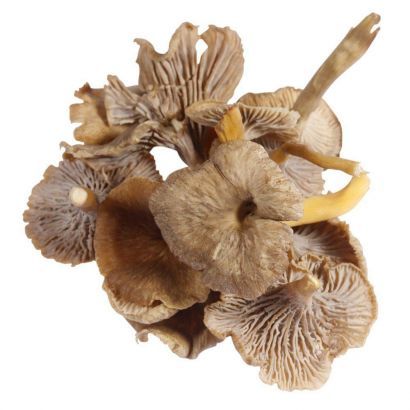
The British Psychedelic Revolution is gaining momentum, inviting a resurgence of interest in the transformative potential of magic mushrooms. With a rich history intertwined with art, culture, and countercultural movements, psychedelics are re-emerging as a subject of serious scientific research and public discourse. As legal frameworks evolve and attitudes shift, many are exploring the therapeutic benefits of psilocybin and its capacity to enhance mental well-being. This article delves into the multifaceted landscape of psychedelics in Britain, from their historical roots to current laws, personal experiences, and the promising future that lies ahead. Whether you’re curious about the science, seeking personal accounts, or contemplating safe practices, this exploration aims to illuminate the vibrant world of the British Psychedelic Revolution.
Overview of the British Psychedelic Revolution
Definition and Scope
The British Psychedelic Revolution refers to the surge of interest in psychedelic substances, particularly magic mushrooms, during the 1960s and 70s, and their subsequent resurgence in mainstream culture today. This movement fosters a blend of spirituality, creativity, and mental exploration, challenging the norms of society one trip at a time. Essentially, it’s the quest to find the meaning of life—preferably while sitting on a comfy couch and snacking on a box of biscuits.
Key Figures and Movements
Key figures in this revolution include the likes of Michael Hollingshead, who introduced psychedelics to notable figures such as Timothy Leary and Aldous Huxley. Movements like the UK’s “Counterculture” took root during this period, advocating for the exploration of consciousness and alternative lifestyles. Think of them as the rebellious uncles of today’s wellness culture—minus the sandals and socks combo (we hope).
Historical Context: Psychedelics in British Culture
The Beat Generation and the Sixties
Psychedelics in Art and Music
Art and music flourished during this psychedelic era, epitomized by the vibrant, swirling visuals of album covers and the experimental sounds of the time. From Pink Floyd’s mind-bending soundscapes to the colorful artwork of Peter Max, psychedelics seeped into every creative nook and cranny. It was a time when people genuinely believed that colors could sing—and maybe they still do during a particularly potent trip.
Regulatory Changes Through the Decades
As the counterculture grew, so did the scrutiny from authorities. The Misuse of Drugs Act 1971 classified psychedelics as illegal, sending a wave of paranoia rippling through the very fabric of society. But it was a cat-and-mouse game; the past few decades have seen movements to re-evaluate these laws, with advocates calling for a more nuanced understanding of psychedelics and their potential benefits, as if the universe whispered, “Let’s try this again.”
Legal Landscape: The Current Status of Magic Mushrooms
Current Laws and Regulations
As of now, magic mushrooms remain classified as a Class A drug in the UK—think of it as the “do not pass go, do not collect £200” of drug laws. Possession and distribution can lead to hefty penalties, leaving many to wonder if the mushrooms could ever be given a second chance. Spoiler alert: they might, but only if we keep the conversation alive and vibrant.
International Comparisons
When it comes to magic mushrooms, the UK isn’t exactly leading the charge. Countries like the Netherlands and Jamaica have embraced a more relaxed approach, allowing for regulated use. Meanwhile, Canada is inching closer to decriminalization, whispering sweet nothings to advocates in the UK. It’s a bit of a psychedelic race, with everyone wondering who will come out on top—hopefully, it won’t involve an actual race.
Advocacy and Decriminalization Efforts
Numerous advocacy groups are working tirelessly to change the narrative surrounding magic mushrooms. Initiatives aim to educate the public about the potential therapeutic benefits and push for decriminalization. Think of it as a grassroots movement dressed in tie-dye, trying to make the world a little brighter, one fungal friend at a time.
The Science Behind Magic Mushrooms
Active Compounds: Psilocybin and Psilocin
At the heart of magic mushrooms lies psilocybin and its psychoactive counterpart, psilocin. Once ingested, psilocybin morphs into psilocin, which then hijacks your brain’s receptors and sends your consciousness on a wild ride. It’s like your brain went to a theme park but forgot to read the safety instructions—exciting and a little unpredictable!
Effects on the Brain and Consciousness
The effects of magic mushrooms can range from euphoric feelings of connection to deep introspection, leading to what some describe as “a journey within.” Research suggests they may help to stimulate neurogenesis and improve mental health, including alleviating depression and anxiety. If only they came with a manual for all the emotions that might bubble up—“Crying is normal, just hold onto that snuggly blanket.”
Research Studies and Findings
Recent studies have shown promising results for psilocybin in treating various mental health disorders, including PTSD and addiction. Universities and institutions are buzzing with researchers eager to unravel the mysteries of these magical fungi. They’re the nerdy side of psychedelia, peeking through the microscope, ready to declare, “Eureka!” after every successful experiment.
Personal Experiences: Stories from the Psychedelic Community
First-Hand Accounts
The psychedelic community is teeming with colorful stories that would make even the dullest history book weep with envy. From the artist who claims to have painted his magnum opus during a mushroom-fueled trip in the woods to the office worker who discovered the meaning of life while salsa dancing in his living room—every account adds a new layer to the ever-expanding narrative of psychedelics. The common thread? People often emerge with a newfound clarity and appreciation for both themselves and the world around them, albeit sometimes covered in glitter and confetti.
Benefits and Challenges of Use
Like a rollercoaster ride that swings between sheer ecstasy and mild existential dread, the journey through psychedelics is nothing if not complex. Many users report enhanced creativity, improved mood, and a heightened sense of connectedness. However, it’s not all rainbows and unicorns—challenges such as bad trips, anxiety, and the occasional terrifying encounter with one’s own reflection can cast a shadow. Navigating this landscape requires a balance of enthusiasm and caution, because, let’s face it, not everyone is ready to face the cosmic void with a smile.
Community Perspectives on Psychedelic Use
The psychedelic community is much like that eccentric aunt you never knew you had: lively, colorful, and overflowing with opinions. Views on usage vary widely—some advocate for the benefits of communal trips in nature, while others preach the power of solo exploration. Many see psychedelics as a vital tool for healing, yet remain aware of the potential pitfalls when used irresponsibly. Whether it’s sitting in a circle of friends or hopping on forums, the consensus seems to be that open dialogue and shared experiences can help guide seekers on their trippy path.
How to Source Magic Mushrooms Safely
Identifying Safe Species
If you’re ready to dive into the magical world of mushrooms, the first step is learning to identify the right ones. There are safe species like Psilocybe cubensis, which are as friendly as your neighborhood barista, and then there are look-alikes that could lead you on a one-way trip to an unwanted hospital visit. Familiarize yourself with key identifiers—cap shape, color, and habitat—because the only thing you want to trip over is your own feet, not a toxic toadstool!
Responsible Sourcing Practices
Sourcing magic mushrooms isn’t like ordering pizza; responsible practices are key. Seek out reputable vendors who prioritize transparency and safety. This means checking reviews, ensuring they provide lab testing, and maybe even having a friendly chat about their sourcing methods. Remember, if it sounds too good to be true (like a mushroom that claims to make you fly), it probably is.
Legal Considerations for Consumers
Ah, the legal landscape—a place more tangled than a pair of headphones fresh out of your pocket. In Britain, the legality of magic mushrooms lies in a grey area that can confuse even the most seasoned law aficionados. Currently, psilocybin mushrooms are classified as a Class A drug, making possession illegal. Keep an eye on the shifting sands of legislation, as reform is on the horizon. It’s always best to stay informed and, uh, avoid any unexpected run-ins with the law, if you catch my drift.
The Therapeutic Potential of Psychedelics
Psychedelics in Mental Health Treatment
Psychedelics are gaining traction as a revolutionary tool in mental health treatment, with studies suggesting they could alleviate conditions like depression, PTSD, and anxiety. Imagine being able to explore the depths of your psyche while under the gentle guidance of a trained professional—like a psychological spa day! Researchers are cautiously optimistic, highlighting the importance of controlled settings and therapeutic guidance to unlock the full potential of these magical substances.
Exploring Microdosing
Microdosing is like having your cake and eating it too, but without the sugar crash. Enthusiasts claim that small, sub-perceptual doses of psychedelics can enhance focus, creativity, and emotional balance without the full-blown psychedelic experience. It’s become the go-to strategy for many looking to navigate daily life with a sprinkle of enhanced clarity. However, the science is still catching up; while some rave about their newfound productivity, others are just chasing a good latte and finding nothing special.
Case Studies and Success Stories
Real-life testimonials from those who have turned to psychedelics for therapeutic reasons are emerging like wildflowers after a spring rain. From veterans overcoming trauma to everyday folks tackling anxiety head-on, these accounts paint a hopeful picture of what psychedelics could accomplish in the realm of mental health. As more case studies surface, the courage of individuals sharing their stories may one day help reshape therapeutic practices entirely, proving that sometimes, the road to recovery is paved with colorful mushrooms.
The Future of Psychedelics in Britain
Emerging Trends and Research
The future of psychedelics in Britain is bubbling with excitement and scientific inquiry. Research is blooming, exploring everything from classic psychedelics to newer compounds. Emerging trends include increased interest in clinical trials and a steady growth of wellness retreats focused on psychedelic therapy. As more studies validate their benefits, expect a wave of innovative treatments and practices to take root across the healthcare landscape.
Public Perception and Media Coverage
Public perception of psychedelics is evolving more rapidly than a chameleon on a disco ball. Once thought of as the realm of fringe hippies, these substances are now making mainstream headlines, often portrayed through a lens of potential healing and societal benefit. Media coverage is shifting from stigma to exploration, inviting conversations that break down previous barriers and invite curiosity about their therapeutic potential. The more discussions we have, the closer we get to normalization—cue the confetti!
Potential Policy Changes Ahead
As the evidence mounts and public interest grows, the winds of policy change are beginning to stir. Advocates are pushing for decriminalization and reclassification of psychedelics, pointing to their benefits in mental health and beyond. Potential policy changes could open doors for regulated therapeutic use, education, and research. While it might take some time to untangle the bureaucratic knots, the future looks promising for those dreaming of a psychedelic renaissance in Britain.
As the British Psychedelic Revolution continues to unfold, it offers a unique opportunity to rethink our relationship with magic mushrooms and their potential benefits. With a growing body of research, changing legal landscapes, and personal stories illuminating the diverse experiences of users, the conversation surrounding psychedelics is more relevant than ever. Whether for therapeutic purposes or personal exploration, understanding the complexities of these substances is essential as society navigates this exciting new chapter. As we look to the future, embracing informed dialogue and responsible practices will be key in shaping the role of psychedelics in our culture.
Frequently Asked Questions
Are magic mushrooms legal in the UK?
Currently, magic mushrooms containing psilocybin are classified as a Class A drug in the UK, making their possession, sale, and cultivation illegal. However, there are ongoing discussions and advocacy efforts aimed at decriminalization and changing legal perceptions.
What are the effects of magic mushrooms?
Magic mushrooms primarily affect perception, mood, and cognition. Users often report visual and auditory hallucinations, altered sense of time, and deep emotional experiences. Effects can vary widely depending on dosage, environment, and individual mindset.
Can magic mushrooms be used therapeutically?
Emerging research suggests that psilocybin may have therapeutic benefits for various mental health conditions, including depression, anxiety, and PTSD. However, more studies are needed to fully understand its efficacy and safety in clinical settings.
How can I use magic mushrooms safely?
If you choose to use magic mushrooms, it’s crucial to educate yourself about safe practices, including identifying the correct species, starting with a low dose, and ensuring a safe and supportive environment. It’s also important to be aware of the legal implications and seek guidance from experienced users or professionals when necessary.
No Responses