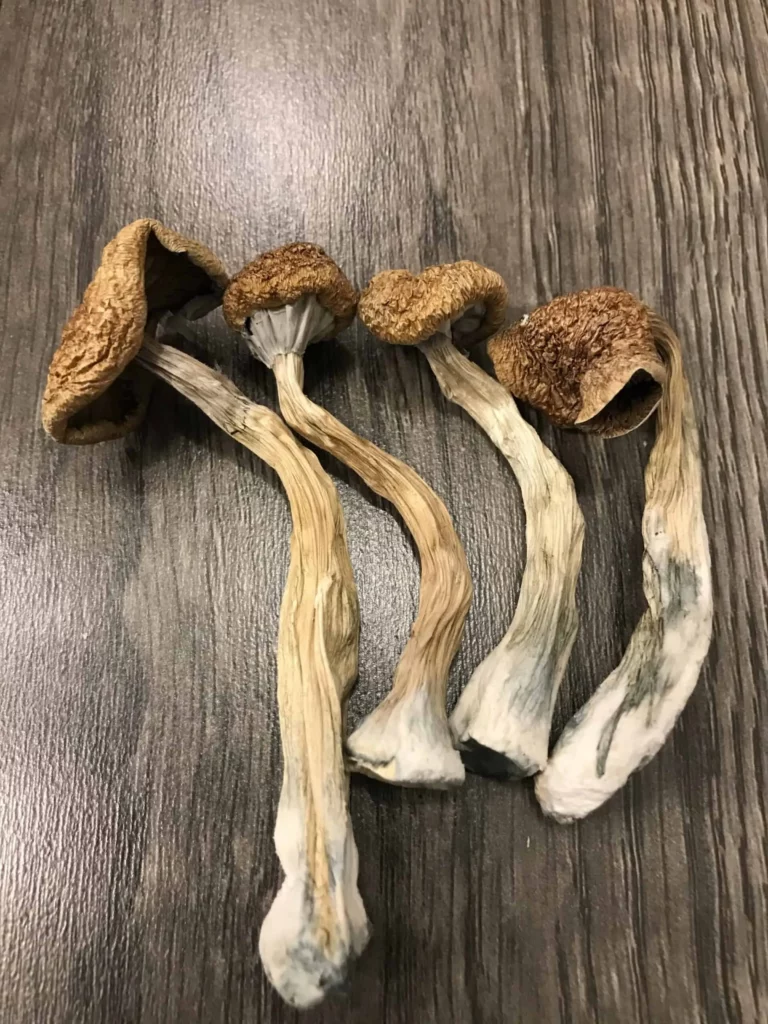
The UK is home to several species of wild psilocybin mushrooms, commonly known as magic mushrooms. These fungi naturally contain psychoactive compounds such as psilocybin and psilocin, which are known for their psychedelic effects. Among mushroom enthusiasts and foragers, the UK’s damp climate and grassy landscapes make it one of the best places in Europe to find naturally occurring psychedelic fungi.
In this guide, we’ll explore five types of psilocybin mushrooms that grow wild in the UK, where they are commonly found, and how they differ from one another. We’ll also cover important legal and safety information for anyone interested in learning more about wild magic mushrooms.
What Are Psilocybin Mushrooms?
Psilocybin mushrooms are fungi that contain naturally occurring psychoactive compounds. When consumed, these compounds can alter mood, perception, and consciousness. The most well-known species in the UK is the Liberty Cap, but several others can also be found in specific habitats across the country.
Wild psilocybin mushrooms usually appear during autumn when temperatures drop and rainfall increases. Most species thrive in moist grasslands, woodland debris, or wood chip mulch.
1. Liberty Cap (Psilocybe semilanceata)
The Liberty Cap is the most common and widely recognised psilocybin mushroom in the UK. It is famous for its small conical cap with a pointed tip, often described as “nipple-shaped.” Liberty Caps usually grow in grassy fields, meadows, and pastures where sheep or cattle graze.
Key Features
- Small bell-shaped cap with a pointed top
- Pale brown to caramel colour
- Thin, wavy stem
- Dark purple-brown spores
Habitat
Liberty Caps prefer damp grasslands rather than woodland. They are commonly found in:
- Sheep fields
- Cow pastures
- Hillsides
- Moorlands
Growing Season
September to December is peak season in the UK.
2. Wavy Cap (Psilocybe cyanescens)
Wavy Caps are another well-known psilocybin species found in the UK. Unlike Liberty Caps, these mushrooms prefer wood-based habitats such as mulch, wood chips, and decaying wood. Their caps become characteristically wavy as they mature, which gives them their common name.
Key Features
- Caramel-brown cap with wavy edges
- White stem that bruises blue
- Sticky surface when wet
- Larger than Liberty Caps
Habitat
Wavy Caps are often found in:
- Public parks
- Garden mulch beds
- Wood chip pathways
- Urban landscaping
Growing Season
Typically found from late autumn into early winter.
Because Wavy Caps have toxic lookalikes, correct identification is extremely important. Some Reddit users and experienced foragers warn that dangerous species such as Galerina can appear similar.
3. Blueleg Brownie (Psilocybe cyanescens var. britannica)
The Blueleg Brownie is a lesser-known UK psilocybin mushroom closely related to the Wavy Cap. It is mostly found in wood-rich environments and can bruise blue when damaged.
Key Features
- Brown cap with blue bruising
- Thick stem with bluish tones
- Wood-loving species
Habitat
Usually appears in:
- Wood chip beds
- Woodland edges
- Bark mulch
Growing Season
Late autumn to early winter.
Although less common than Liberty Caps, Blueleg Brownies have become increasingly reported in urban landscaping areas throughout the UK.
4. Dung Roundhead (Protostropharia semiglobata)
The Dung Roundhead is often discussed alongside psychoactive mushroom species because it grows in similar environments. While not strongly psychoactive itself, some strains have been associated with trace psychoactive compounds.
Key Features
- Rounded yellowish cap
- Slimy texture
- Long thin stem
Habitat
Found growing directly on:
- Cow dung
- Horse manure
- Rich pastureland
Growing Season
Summer through autumn.
This mushroom is frequently confused with active psilocybin species, which highlights the importance of proper identification before handling or consuming any wild fungi.
5. Funeral Bell Lookalikes (Galerina species)
Although not psilocybin mushrooms, Funeral Bells deserve mention because they are one of the most dangerous lookalikes in the UK. Some species resemble Wavy Caps and other brown mushrooms, but they contain deadly toxins.
Why Identification Matters
Many mushroom hunters stress that beginners should avoid consuming any wild mushroom without expert confirmation. Reddit communities focused on mushroom identification repeatedly warn about accidental poisoning caused by misidentification.
Key Features
- Brown cap
- Rust-coloured spores
- Ring on the stem
- Often found on wood
Even experienced foragers approach these mushrooms cautiously due to their similarity to psilocybin species.
Are Psilocybin Mushrooms Legal In The UK?
Psilocybin mushrooms are classified as a Class A drug in the UK. This means it is illegal to possess, sell, or distribute them. Fresh and dried mushrooms containing psilocybin are both covered under UK law.
Anyone researching wild mushrooms should focus on education, safety, and legal awareness rather than consumption.
Safety Tips For Mushroom Identification
Correct mushroom identification is critical. Many toxic mushrooms can closely resemble psilocybin species.
Important Safety Guidelines
- Never consume mushrooms based on photos alone
- Use multiple identification resources
- Learn spore print analysis
- Avoid mushrooms with uncertain identification
- Consult experienced mycologists
Online mushroom communities often recommend starting with Liberty Caps because they have more distinct features than wood-loving species like Wavy Caps.
Final Thoughts
The UK hosts several fascinating species of wild psilocybin mushrooms, with Liberty Caps remaining the most widespread and iconic. From grassy hillsides to urban wood chip beds, these fungi thrive in a variety of environments across the country.
However, accurate identification and awareness of UK laws are essential. Many dangerous mushrooms resemble psychedelic species, making caution extremely important for anyone exploring wild fungi.
If you’re interested in mushroom culture, research, and education, visit Magic Mushroomery for more insights and resources related to mycology and mushroom products.
No Responses