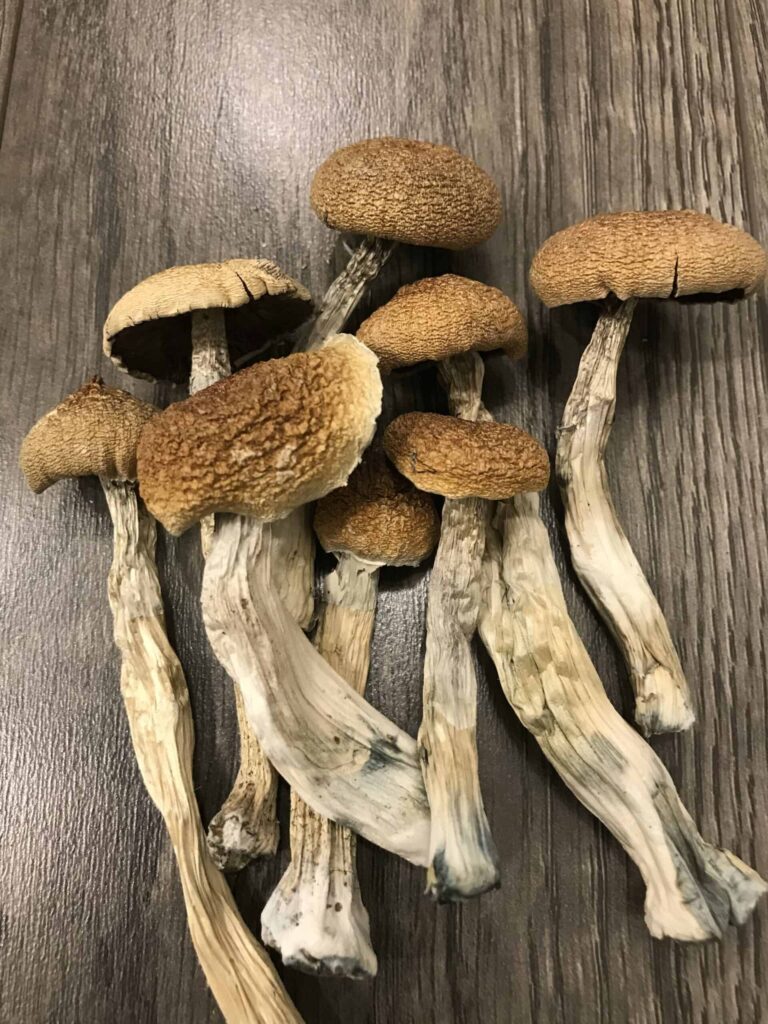
The European Trail: Exploring the Culture and Curiosity Around Magic Mushrooms
Magic mushrooms have long held a place in folklore, spirituality, and modern scientific research. Across Europe, interest in these naturally occurring fungi continues to grow—driven by curiosity, cultural history, and emerging conversations about mental health and wellbeing.
In this article, we explore the cultural landscape, legal considerations, and growing fascination surrounding magic mushrooms in Europe.
What Are Magic Mushrooms?
Magic mushrooms are a group of fungi that contain naturally occurring psychoactive compounds, most notably psilocybin. When consumed, psilocybin is converted in the body into psilocin, which can alter perception, mood, and cognition.
These mushrooms have been used for centuries in traditional ceremonies and are now being studied in controlled environments for their potential therapeutic effects.
A Brief History of Magic Mushrooms in Europe
While magic mushrooms are often associated with indigenous cultures in Central and South America, Europe has its own history with psychoactive fungi.
In the 20th century, interest in these mushrooms surged after researchers and explorers began documenting their effects. Since then, they’ve played a role in counterculture movements, artistic expression, and more recently, scientific inquiry.
Legal Landscape Across Europe
The legal status of magic mushrooms varies widely across European countries. In some places, they are strictly prohibited, while in others, certain forms (such as truffles) may exist in legal gray areas.
If you’re interested in learning more, it’s essential to:
- Research local laws carefully
- Stay informed about ongoing legal changes
- Respect regulations in your country
Understanding the legal framework is crucial before engaging with any related products or discussions.
Modern Research and Mental Health Conversations
In recent years, psilocybin has gained attention in scientific communities. Researchers are exploring its potential role in addressing conditions such as depression, anxiety, and PTSD—always within controlled, clinical settings.
While findings are promising, it’s important to emphasize that these treatments are still under study and not widely available outside approved research programs.
Responsible Curiosity
Interest in magic mushrooms often begins with curiosity. If you’re exploring this topic, consider focusing on:
- Education and scientific research
- Cultural and historical perspectives
- Legal and ethical considerations
Responsible exploration ensures that curiosity remains safe, informed, and respectful.
Learn More
If you’re interested in exploring related products, educational resources, or curated content, visit our shop:
👉 https://magicmushroomery.com/shop/
Final Thoughts
Magic mushrooms continue to capture the imagination of people across Europe and beyond. Whether viewed through the lens of science, history, or culture, they remain a topic of growing interest and ongoing discovery.
As always, staying informed and responsible is key.
No Responses