Browse our collection: Magic Mushroomery Shop
Psilocybin Mushrooms: Effects, Risks, and Legal Facts
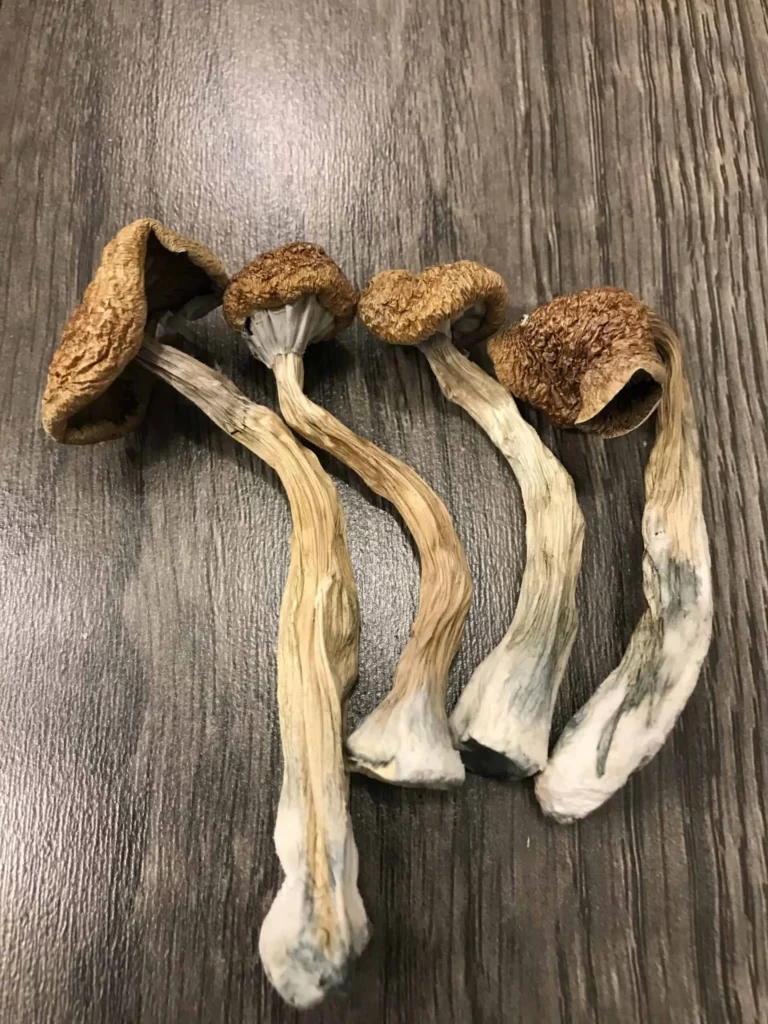
Psilocybin mushrooms, often called “magic mushrooms” or “shrooms,” are naturally occurring fungi that contain psychoactive compounds known as psilocybin and psilocin. These compounds can affect perception, mood, and cognition, creating experiences that range from euphoria to altered sensory awareness. (Encyclopedia Britannica)
Interest in psilocybin mushrooms has increased significantly in recent years because of scientific research into their possible therapeutic applications and changing laws in some regions. However, understanding both the potential effects and the risks is essential before making informed decisions. (NCCIH)
What Are Psilocybin Mushrooms?
Psilocybin mushrooms are a group of fungi containing naturally occurring psychedelic compounds. More than 100 species have been identified worldwide, with some of the most recognized species belonging to the Psilocybe genus. (Encyclopedia Britannica)
Once consumed, psilocybin is converted in the body into psilocin, which interacts with serotonin receptors in the brain. Serotonin plays a role in mood regulation, perception, and emotional processing. (Encyclopedia Britannica)
Common Effects of Psilocybin Mushrooms
Effects can vary depending on factors such as amount consumed, environment, emotional state, and individual sensitivity.
Some commonly reported effects include:
Positive or Desired Effects
- Enhanced mood
- Feelings of euphoria
- Increased emotional openness
- Altered sense of time
- Intensified colors and sounds
- Feelings of connectedness
- Creative or introspective thinking
Physical Effects
- Dilated pupils
- Increased heart rate
- Mild nausea
- Dizziness
- Fatigue
- Muscle weakness
Perceptual Effects
Users may experience:
- Visual distortions
- Enhanced sensory perception
- Altered thought patterns
- Strong emotional reactions
- Synesthesia (mixing of senses, such as “seeing sounds”) (Encyclopedia Britannica)
Effects generally begin within 20–60 minutes and may last approximately 4–8 hours, though experiences can differ. (Encyclopedia Britannica)
Potential Risks and Side Effects
While many discussions focus on potential benefits, psilocybin mushrooms can also involve risks.
Psychological Risks
Some users may experience:
- Anxiety
- Fear or panic
- Paranoia
- Confusion
- Distressing experiences often called “bad trips”
Individuals with certain mental health conditions, especially psychotic disorders or severe bipolar disorders, may face greater risks. (NCCIH)
Physical Risks
Possible adverse reactions include:
- Increased blood pressure
- Headaches
- Vomiting
- Poor coordination
- Sleep disturbances
Research organizations also note that experiences may be unpredictable and influenced by personal and environmental factors. (NCCIH)
Risk of Mushroom Misidentification
One significant concern is accidental consumption of poisonous mushrooms that resemble psilocybin-containing species.
Some toxic mushrooms can look similar but may lead to severe poisoning or medical emergencies. (NCCIH)
Current Research on Psilocybin
Scientists are studying psilocybin for possible therapeutic use in controlled settings for conditions such as:
- Depression
- Anxiety
- Addiction disorders
- PTSD
Early findings are encouraging, but researchers emphasize that clinical studies involve carefully screened participants and professional supervision. Recreational use is not the same as structured medical treatment. (Encyclopedia Britannica)
Legal Facts About Psilocybin Mushrooms
Legal status varies significantly by country and region.
Important facts include:
- Psilocybin remains illegal under federal law in many countries, including the United States.
- Certain jurisdictions have decriminalized possession or created regulated therapeutic frameworks.
- Legal changes continue to evolve. (NCCIH)
Because laws can change frequently, always verify regulations in your local area before purchasing, possessing, or using any psilocybin products.
Safety Considerations
If researching psilocybin mushrooms, keep these points in mind:
- Understand local laws.
- Learn about potential side effects.
- Be aware of personal mental health factors.
- Avoid assuming all mushroom products are identical.
- Recognize that scientific research is still developing.
Frequently Asked Questions
Are psilocybin mushrooms addictive?
Current research generally suggests psilocybin has a lower potential for dependence compared with many substances. However, psychological patterns of misuse can still occur. (Medical News Today)
How long do psilocybin effects last?
Effects commonly last between four and eight hours, although duration varies by individual and circumstances. (Encyclopedia Britannica)
Are psilocybin mushrooms legal everywhere?
No. Laws differ widely across countries, states, and cities. Some areas have decriminalized or regulated certain uses, while many still prohibit possession and sale. (NCCIH)
Final Thoughts
Psilocybin mushrooms continue to attract attention from researchers, healthcare professionals, and the public. While emerging studies suggest possible therapeutic value, there are also real risks related to mental health effects, adverse reactions, and changing legal frameworks.
Staying informed and understanding both benefits and limitations can help people make better decisions based on evidence rather than assumptions.
No Responses