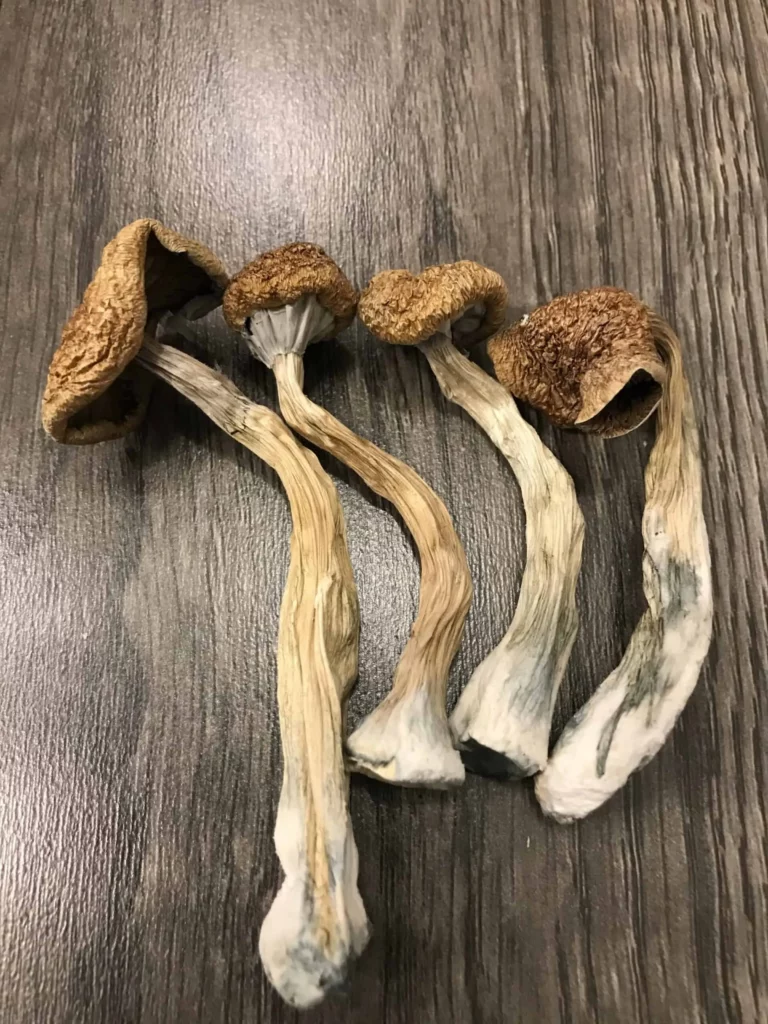
Can Magic Mushrooms Be Used in Therapy?
Mental health treatment is evolving rapidly, and one topic attracting significant attention is the therapeutic use of magic mushrooms. Researchers, healthcare professionals, and patients are exploring whether these naturally occurring fungi could help address conditions like depression, anxiety, and trauma.
But can magic mushrooms really be used in therapy?
The short answer is yes—under controlled and supervised settings, researchers are investigating their potential therapeutic benefits. However, there is much more to understand about how they work, their risks, and where science currently stands.
What Are Magic Mushrooms?
Magic mushrooms are fungi that contain psilocybin, a naturally occurring psychoactive compound. After consumption, psilocybin converts into psilocin, which interacts with serotonin receptors in the brain.
This interaction may temporarily alter:
- Mood
- Perception
- Thinking patterns
- Emotional processing
- Sense of self-awareness
For centuries, some cultures have used psilocybin-containing mushrooms in spiritual and ceremonial practices. Today, modern research focuses on whether these experiences can support mental health treatment in clinical settings.
What Is Psilocybin-Assisted Therapy?
Psilocybin-assisted therapy combines carefully administered doses of psilocybin with structured psychological support.
Unlike traditional therapy sessions alone, this process often includes:
Preparation Sessions
Patients work with trained professionals before treatment to establish goals and discuss expectations.
Guided Experience
The psilocybin session occurs in a controlled environment with trained therapists present.
Integration Sessions
Patients discuss thoughts, emotions, and insights after the experience.
The therapy is not simply about taking mushrooms. The psychological support before and after the experience is considered an important part of the treatment process.
What Conditions Are Researchers Studying?
Scientists are investigating whether psilocybin-assisted therapy may help several mental health conditions.
Depression
Some clinical studies suggest psilocybin therapy may reduce symptoms of major depressive disorder, including treatment-resistant depression. Research indicates some participants experienced rapid improvements after guided sessions.
Anxiety and Emotional Distress
Researchers have also explored psilocybin for anxiety and emotional distress, particularly among people facing serious medical conditions. Early findings suggest potential improvements in emotional well-being.
PTSD and Trauma-Related Symptoms
Interest in psychedelic-assisted treatment for trauma continues to grow. While evidence for psilocybin specifically is still developing, researchers are investigating its possible role in helping individuals process difficult experiences.
Burnout and Emotional Exhaustion
Recent studies have explored possible effects on burnout and emotional health among healthcare workers. Early research has shown encouraging outcomes, though additional studies are still needed.
How Might Magic Mushrooms Help in Therapy?
Researchers are still studying the exact mechanisms, but several theories exist.
Increased Brain Flexibility
Some scientists suggest psilocybin temporarily changes communication patterns in the brain, potentially allowing individuals to move away from repetitive thought cycles.
Enhanced Emotional Processing
People in clinical studies often report stronger emotional awareness and greater openness during guided sessions.
New Perspectives
Participants sometimes describe gaining fresh perspectives on personal experiences, relationships, or long-standing emotional challenges.
These effects may create opportunities for meaningful therapeutic work when combined with professional support.
What Does Current Research Say?
Research in recent years has produced promising results.
Several studies found significant reductions in depression symptoms among participants receiving psilocybin-assisted therapy. Some improvements appeared rapidly and continued over follow-up periods.
Meta-analyses reviewing multiple studies have also reported favorable outcomes for depression treatment, although researchers emphasize that larger studies are still needed.
However, scientists also point out important limitations:
- Many studies involve relatively small sample sizes.
- Long-term effects continue to be studied.
- Maintaining placebo controls can be difficult because participants often recognize psychedelic effects.
Are There Risks?
Magic mushrooms are not risk-free.
Potential side effects may include:
- Anxiety during the experience
- Confusion
- Fear or panic reactions
- Nausea
- Increased heart rate
- Psychological distress in some individuals
Certain people, particularly those with some psychiatric conditions, may face higher risks.
This is one reason clinical studies rely heavily on screening processes and professional supervision.
Can You Use Magic Mushrooms for Therapy at Home?
Self-guided use differs significantly from clinical therapy.
Research studies typically involve:
- Controlled doses
- Medical screening
- Therapeutic preparation
- Professional support
- Follow-up sessions
Without these safeguards, experiences may be unpredictable and potentially challenging.
The Future of Psilocybin Therapy
Interest in psychedelic-assisted therapy continues to expand worldwide. Researchers are conducting new clinical trials to better understand effectiveness, safety, and long-term outcomes.
While early evidence appears promising, experts generally agree that more research is needed before broader medical adoption becomes standard practice.
The conversation surrounding mental health treatment is changing, and psilocybin-assisted therapy may become an important area of future development.
Final Thoughts
So, can magic mushrooms be used in therapy?
Current evidence suggests they may have therapeutic potential when used in structured clinical environments with professional guidance. Research has shown encouraging findings for conditions such as depression, anxiety, and emotional distress, but important questions remain.
As science continues evolving, understanding both the possibilities and limitations of psilocybin therapy will be essential.
For those interested in learning more about magic mushrooms and related products, visit Magic Mushroomery
No Responses