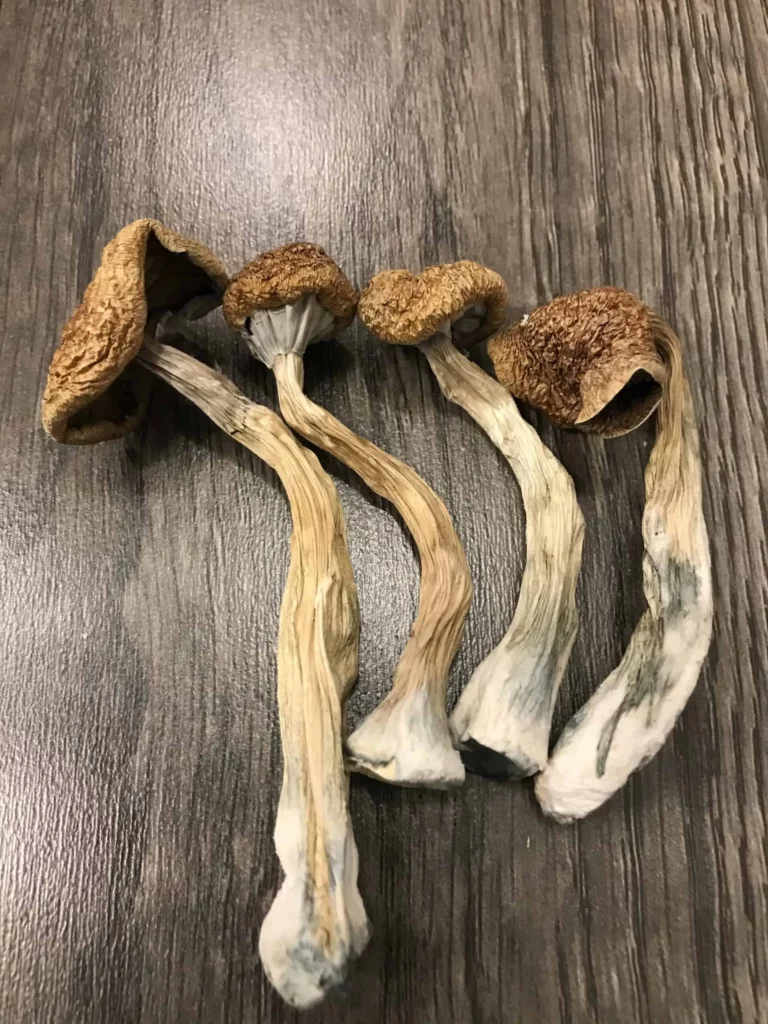
In recent years, psychedelic mushrooms, particularly those containing psilocybin, have emerged from the shadows to capture the attention of both researchers and enthusiasts in the UK. While often shrouded in mystery and stigma, these natural fungi hold a rich history and a promising future in the realms of mental health and personal exploration. As more individuals seek alternatives to traditional therapies and a deeper connection with nature, local psychedelic mushrooms are gaining recognition as one of the UK’s best-kept secrets. This article delves into their fascinating history, the science behind their effects, foraging tips, legal considerations, and the vibrant community surrounding these enigmatic organisms.
The Hidden History of Psychedelic Mushrooms in the UK
Ancient Uses and Cultural Significance
Long before Instagram and TikTok, ancient British cultures were getting their groove on with psychedelic mushrooms. Evidence suggests that Celtic tribes may have used these fungi for spiritual and healing purposes, possibly incorporating them into sacred rituals. These mushrooms weren’t just party favors; they were seen as gateways to the divine, connecting humans with nature and the cosmos. From ancient stone carvings to folklore, the rich tapestry of mushroom lore weaves through the history of the UK, hinted at in tales that evoke a hint of magic.
Modern Resurgence and Shifts in Perception
Fast forward to the 20th century, and you’ll find that psychedelic mushrooms became party crashers at the table of the counterculture movement. While the mainstream narrative often labeled them as taboo, a resurgence of interest in mental health and alternative therapies is changing the game. Researchers are now exploring psilocybin as a possible treatment for everything from depression to anxiety, leading to a shift in public perception. Suddenly, these little fungi are transitioning from dodgy to dazzling, with wellness retreats and mindful foragers popping up all over the place!
Understanding the Science Behind Psilocybin
The Chemical Composition of Psychedelic Mushrooms
How Psilocybin Affects the Brain
Once psilocybin is in your system, it sets off a cascade of effects in the brain. Users often report altered perceptions, enhanced creativity, and a profound sense of connection to others and their surroundings. Studies indicate that psilocybin may increase connectivity between brain regions that don’t usually chat much—kind of like your introverted friend finally hopping onto the group chat! This enhanced brain connectivity could be key in alleviating symptoms of depression and anxiety, leading more researchers to explore its therapeutic potential. Talk about a mind-bending experience!
The Legal Landscape: What You Need to Know
Current Laws and Regulations in the UK
In the UK, psychedelic mushrooms, specifically those containing psilocybin, are classified as Class A drugs under the Misuse of Drugs Act 1971. This means possession, production, or supply is illegal and can lead to some pretty stiff consequences (think fines and jail time). However, the conversation around decriminalization and legalization is gaining traction, with advocates pushing for policy changes to allow for medicinal use.
Potential Changes on the Horizon
As research continues to unveil the therapeutic benefits of psilocybin, there’s a light glimmering at the end of the regulatory tunnel. Countries and regions around the world are beginning to rethink their approach to psychedelics, and the UK is no exception. With growing public support for reform and promising scientific findings, we’re witnessing a shift that could pave the way for a more relaxed legal landscape. So, keep your fingers crossed—or better yet, your mycelium networks—because change may be on the horizon!
Regional Hotspots for Finding Local Mushrooms
Best Locations Across England, Scotland, and Wales
If you’re itching to find your local psychedelic mushrooms, your best bet is to explore the lush forests and meadows across the UK. The woodlands of Scotland, particularly in the Highlands, are a fantastic playground for foragers. In England, regions like the Lake District and woodlands in Kent are known for their rich fungal diversity. And let’s not forget Wales, where the stunning Brecon Beacons provide the perfect backdrop for your foraging adventures. Just make sure you’re not mistaking your psychedelic treasures for breakfast mushrooms—nature has a sense of humor!
Seasonal Considerations for Foraging
Timing is everything when it comes to foraging for psychedelic mushrooms. Generally, they tend to pop up late summer to early winter, with the peak season typically falling around September to November. Conditions like moisture and temperature play a crucial role, so keep an eye on the weather. Just remember: if you’re heading out with a basket, brush up on your mushroom identification skills, and if in doubt, leave it out—nobody wants an unexpected trip to the hospital instead of a trip down the rabbit hole!
Foraging Tips: How to Identify Safe Psychedelic Varieties
Key Identification Features of Psilocybin Mushrooms
When it comes to identifying psilocybin mushrooms, think of your favorite detective movie—except instead of solving a crime, you’re on a mission to find a mind-expanding experience. Start with the cap: it’s usually bell-shaped to conical and can vary from light brown to dark brown, sometimes exhibiting a lovely blue hue (which is not a sign of mold, I promise!). The stems are slender and can appear to be a bit fragile, often bruising blue when handled. Keep an eye out for gills that are close together, and remember, the spore print should be purplish-brown. If you want to be double sure, consult a trusty field guide or dedicated website—your future self will thank you!
Common Look-Alikes and How to Avoid Them
Ah, the old “if it looks like a mushroom, it must be safe” fallacy. Not so fast! The wild’s got some tricksters, and we need to avoid them. Beware of the infamous “Death Cap,” which, spoiler alert, is not what we’re looking for. Lookalikes like the Galerina and some Cortinarius species can be sneaky, sporting similar features but harboring nasty side effects. Always confirm your findings with expert resources or local foraging groups because nobody wants a trip to the emergency room instead of a delightful psychedelic journey!
Personal Experiences: Testimonials from Enthusiasts
Stories of First-Time Experiences
Ah, the first time one ventures into psychedelic waters—a blend of excitement, nervousness, and possibly a faint aroma of popcorn. Enthusiasts often recount the vivid colors and life-altering insights—the “everything is connected” epiphany every newbie craves. One anecdote features a first-timer who wandered into a forest and claimed they “understood the secret of the trees” while having a heart-to-heart with a squirrel. While we can’t promise every experience will involve philosophical discussions with wildlife, it’s safe to say that many leave feeling like they’ve just unlocked a secret level in the game of life.
Long-Term Effects and Insights
The long-term effects of psychedelic mushrooms often resemble the credits of a feel-good movie—the kind that leaves you hopeful and maybe a little bit introspective. Many users report lasting changes in perspective, improved emotional resilience, and a heightened appreciation for the world around them. Some have even shared how their mental clarity and creativity received a boost that made them feel like they’d found the cheat codes for adulthood. However, each journey is unique; for some, it’s still a process of integrating those experiences into everyday life.
The Therapeutic Potential: Mental Health Benefits and Research
Current Research on Psilocybin for Mental Health
Psychedelics are stepping into the spotlight in the realm of mental health like a rock star hitting the stage after decades of obscurity. Research is catching up to the wisdom of the ages, indicating that psilocybin may help alleviate symptoms of depression, anxiety, and PTSD. Universities across the globe are diving into studies, producing results that suggest this magical mushroom could be the key to unlocking new pathways in psychotherapy. And hey, who knew that a little fungi could play such a big role in healing the mind?
Case Studies: Success Stories in Therapy
Case studies are rolling in like a wave of hope, showcasing individuals whose lives changed dramatically after psilocybin therapy. Take the story of one participant who used psilocybin as part of a treatment program for terminal illness-related anxiety—they described it as a journey from fear to acceptance. Others have reported significant reductions in anxiety and depression, some even claiming it helped reshape their very understanding of life itself. While not a magic cure-all, these success stories suggest that when used thoughtfully, psilocybin might just be the therapist’s secret weapon.
Community and Culture: Connecting with Local Enthusiasts
Online and Offline Communities
Looking to connect with fellow mushroom aficionados? You’re in luck! The online world is teeming with forums, social media groups, and chat rooms where you can swap stories, tips, and maybe even a recipe or two (FYI, mushroom soup doesn’t usually involve psilocybin). Offline, local meet-ups and foraging groups are sprouting up like spring flowers, where enthusiasts gather to share knowledge and their favorite spots for safe picking. Remember, it’s all about community—and nothing brings people together like a shared love for mushrooms!
Events and Gatherings Celebrating Psychedelic Culture
If you’re ready to dive deep into the psychedelic culture, keep an eye out for events that celebrate all things trippy! From festivals filled with workshops and art to symposiums dedicated to research and awareness, these gatherings are the perfect place to mingle with like-minded individuals. Whether you’re there to dance under the stars or engage in thought-provoking discussions, these events offer a chance to broaden your horizons—and possibly your friend circle—while embracing the magic of psychedelics.As interest in psychedelic mushrooms continues to grow, it’s crucial to approach this journey with knowledge, respect, and caution. By understanding the history, science, and legal landscape, as well as connecting with local communities, enthusiasts can safely explore the profound potential of these remarkable fungi. Whether for personal growth, therapeutic benefits, or simply the thrill of foraging, the UK’s best-kept secret invites those curious enough to discover its hidden treasures. Embrace the adventure, and let nature guide you on this enlightening path.
Frequently Asked Questions
What are psychedelic mushrooms and how do they work?
Psychedelic mushrooms contain psilocybin, a naturally occurring compound that, when ingested, converts to psilocin in the body. Psilocin interacts with serotonin receptors in the brain, leading to altered perceptions, enhanced emotional experiences, and introspective insights.
Are psychedelic mushrooms legal in the UK?
Currently, psilocybin is classified as a Class A substance under the Misuse of Drugs Act 1971. This means that possessing, selling, or distributing psychedelic mushrooms is illegal in the UK. However, there is ongoing discussion about potential legal reforms related to their therapeutic use.
How can I safely forage for psychedelic mushrooms?
Safe foraging requires proper identification skills, knowledge of local mushroom species, and understanding the environment. It’s essential to consult reliable field guides or join local foraging groups to learn about identifying psychoactive varieties and avoiding toxic look-alikes.
What are the potential benefits of using psychedelic mushrooms for mental health?
Research suggests that psilocybin may help alleviate symptoms of depression, anxiety, and PTSD by promoting neuroplasticity and enhancing emotional well-being. Clinical studies have shown promising results, leading to increased interest in their therapeutic applications.
No Responses