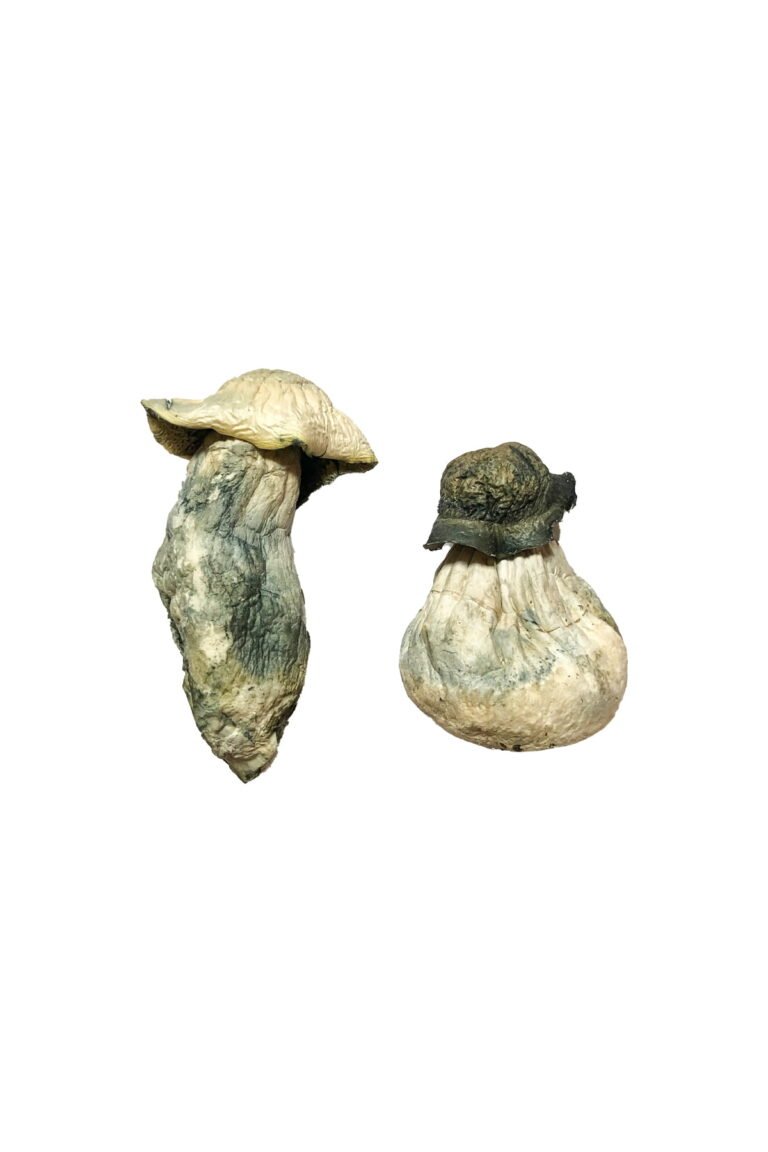
Exploring the wild landscapes of Britain offers more than just breathtaking scenery; it presents a unique opportunity for mushroom enthusiasts and nature lovers alike to discover the rare and fascinating world of psychedelic mushrooms. With diverse ecosystems ranging from lush woodlands to coastal shores, the British wilderness is home to a variety of these enigmatic fungi, each with its own ecological and cultural significance. As interest in the therapeutic potential of psychedelics grows, so does the allure of foraging for these elusive species. This article will guide you through the essential aspects of mushroom foraging in Britain’s wilderness, including identification tips, legal considerations, and the profound connection between nature and human consciousness. Join us on this journey into the heart of the wild, where the search for rare psychedelic mushrooms awaits!
Introduction to Britain’s Wilderness and Psychedelic Mushrooms
Britain’s wilderness is a treasure trove of natural wonders, where rolling hills meet dense forests and tranquil lakes. Amidst this serene backdrop, a fascinating and sometimes controversial topic arises—psychedelic mushrooms. While many may associate these fungi with heady trips and colorful visuals, they play a more intricate role in our ecosystems. So, grab your wellies and let’s dive into the lush landscapes of Britain in search of these elusive psychotropic delights!
Overview of Psychedelic Mushrooms
Psychedelic mushrooms, also known as magic mushrooms, contain compounds like psilocybin and psilocin that can lead to altered states of consciousness. These quirky little fungi have been used for centuries in various cultures for spiritual and medicinal purposes. Although often seen through the lens of counterculture, these mushrooms possess a profound potential for personal insight and healing—assuming, of course, you’re in the right mindset and setting. Just remember, not all mushrooms are created equal—some can turn your adventure into a very different kind of trip!
The Role of Wilderness in Mushroom Growth
When it comes to growing magic mushrooms, the wilderness is their happy place. They thrive in damp, shaded environments, often seen peeking through grasses or alongside decaying wood. The diverse habitats found in Britain’s woodlands and meadows provide the perfect conditions for these fungi to flourish. With a symbiotic relationship to trees, the mycelium—think of it as the fungal internet—connects with plant roots, helping them absorb nutrients while enjoying a nutrient buffet in return. This beautiful cycle makes foraging in nature not just fruitful, but ecologically significant.
The Importance of Psychedelic Mushrooms in Nature
Psychedelic mushrooms are more than just mind-bending experiences; they also play a vital role in the ecosystem. From enriching soil composition to contributing to biodiversity, these fungi are nature’s underrated heroes. Let’s take a closer look!
Ecological Benefits
Psychedelic mushrooms contribute to their environments in several ways. They break down organic matter, recycling nutrients back into the soil, which fosters the growth of other plants and fungi. Some species even help combat pathogens and pests, acting as nature’s very own pest control. Their unique biochemistry can promote healthy ecosystems, making every mushroom hunt not just a personal journey but an ecological contribution. Who knew you could be both a fun-gi and a force for good?
Cultural Significance Throughout History
Throughout history, psychedelic mushrooms have held a prominent place in various cultures. From the ancient rituals of indigenous peoples to modern therapeutic explorations, these fungi have been intertwined with spiritual practices, healing, and even art. They’ve inspired mystics, artists, and philosophers alike. Picture this: artists of yore creating masterpieces under the influence of these magical mushrooms—imagine what Van Gogh could have painted on a psychedelic trip! Their cultural significance continues to evolve, opening doors to new conversations about mental health and consciousness.
Popular Regions for Mushroom Foraging in Britain
If you’re itching to embrace your inner forager and hunt for some psychedelic shrooms, Britain offers a variety of landscapes perfect for your fungal quest. Here are some of the prime spots to explore!
Woodlands and Forests
Britain’s woodlands are like a buffet for mushroom enthusiasts. From the ancient oak trees of Sherwood Forest to the lush undergrowth of the New Forest, these regions offer a rich habitat for various fungal species, including some that have psychedelic properties. Navigating these enchanted forests can lead to rewarding and magical finds—just remember to tread lightly and leave no trace!
Coastal Areas and Their Unique Species
Don’t underestimate the coast! The salty air and sandy soils of coastal regions can host unique mushroom species not found inland. Areas like Cornwall and the Isle of Skye boast stunning landscapes where mushrooms can flourish in the dunes and grassy cliffs. As an added bonus, you can enjoy the beautiful scenery while on the lookout for your next psychedelic discovery—just maybe don’t mix your mushroom hunting with beach volleyball!
Protected Areas for Sustainable Foraging
Foraging in protected areas, like national parks and nature reserves, ensures that you can enjoy the hunt while also being mindful of conservation efforts. Locations such as the Lake District and Exmoor National Park not only offer robust ecosystems for mushroom growth but also guidelines for sustainable foraging. Respecting these areas keeps the environment flourishing for future generations—because who wants to be the reason a rare mushroom species goes extinct?
Identification: Spotting Rare Psychedelic Species
Congratulations, you’re ready to embark on your mushroom escapade! But before you dive headfirst into a patch of shrooms, let’s talk identification. Spoiler alert: not all mushrooms will lead to a magical experience!
Key Identifying Characteristics
To spot psychedelic mushrooms, you’ll want to familiarize yourself with some key characteristics. Look for distinguishable features like cap shape and color, gills (the little flaps underneath the cap), and when in doubt, check the stem. The famous Psilocybe cubensis, for example, has a conic cap that flattens out with age and is often bluish-toned. It’s crucial to thoroughly research and understand each species you encounter—trust us, your future self will be grateful!
Common Mistakes to Avoid
Ah, the classic forager’s folly—mistaking a psychedelic mushroom for its poisonous counterpart. Many mushrooms share similar appearances, and misidentification can lead to some dire consequences. Always double-check your finds with multiple sources and consider joining local foraging groups for expert guidance. Remember, it’s better to err on the side of caution than to discover the hard way that not all mushrooms are magical in the way you think!
Resources for Identification
To help you become a mushroom whisperer, take advantage of the plethora of resources available! Field guides, mushroom identification apps, and online forums dedicated to mycology can be your best friends. Local mycological societies often host foraging walks and workshops—think of it as your own personal school of shrooms. With a little research and the right tools, you’ll be well on your way to identifying nature’s hidden treasures!
Legal Considerations and Ethical Foraging Practices
Understanding Local Laws and Regulations
Before embarking on your fungi quest, it’s crucial to familiarize yourself with the local laws regarding mushroom foraging. The UK has specific regulations that vary by region, with some places allowing foragers to collect a limited number of mushrooms, while others may have stricter guidelines. Always check if the species you’re after is protected, as some rare mushrooms are not just hard to find but also illegal to pick! Remember, ignorance is no excuse—a quick Google search or a visit to a local council website can keep you on the right side of the law and prevent any unwanted encounters with park rangers!
Best Practices for Sustainable Foraging
When foraging, you’re not just a treasure hunter; you’re a steward of nature! To keep our woodlands rich and diverse, practice sustainable foraging by only collecting what you need. Leave no trace—this means not trampling on other fungi or plant life while you’re searching for your psychedelic gems. Avoid picking mushrooms near roads or polluted areas, and always ensure you can identify them correctly. The more care you take, the more future generations can enjoy the same magical experience you’re having now!
Safety Tips for Foraging Wild Mushrooms
Knowing the Risks
Let’s face it: while mushrooms can add a sprinkle of magic to your life, some can also bring a hefty dose of danger. Many edible species have poisonous look-alikes, and recognizing them can be the difference between a fun evening and an unwanted trip to the hospital. Familiarize yourself with common edible versus toxic mushrooms in your area. If you’re unsure, leave it be! Embrace the motto: “When in doubt, throw it out”—and your gut will thank you later.
Basic First Aid for Mushroom Poisoning
In case things go awry, knowing how to handle mushroom poisoning can be a lifesaver—literally! If you suspect someone has ingested a toxic mushroom, do not induce vomiting unless advised by a medical professional. Seek immediate medical attention! Having activated charcoal handy can help absorb toxins, but remember, nothing replaces professional medical help. Just consider it another reason to be extra cautious about what you pick!
Foraging Gear Essentials
Ready to hit the trails? Don’t forget your foraging toolkit! Essential gear includes a sturdy basket for collecting mushrooms (because plastic bags can make them sad and squished), a field guide to help with identification (your smartphone is great but not always reliable in the wild), and a good pair of gloves to protect your hands from pesky thorns and thistles. A small knife or scissors can also be handy for a clean cut. And hey, don’t forget to wear comfortable, weather-appropriate clothing—nothing like a surprise rain shower to turn your adventure into an epic mudslide!
The Ecological Impact of Psychedelic Mushroom Foraging
Impact on Local Biodiversity
As you venture into the wilderness hunting for rare psychedelics, it’s essential to keep an eye on the broader ecological picture. While foraging can be fun, over-harvesting can disturb local biodiversity. Certain mushroom species play vital roles in ecosystems, forming symbiotic relationships with plants and trees. When foragers take too much, they risk upsetting this delicate balance. So let’s keep our mushroom obsession in check and ensure these magical fungi continue thriving for everyone to enjoy!
Conservation Efforts and Community Involvement
Many communities and organizations are actively working to protect our natural habitats. By getting involved in local conservation efforts, you can help educate others about sustainable foraging and the importance of preserving natural resources. Plus, participating in clean-up events or educational workshops not only makes you a rockstar for the environment but also connects you with other foraging enthusiasts. Together, we can ensure that our beautiful woodlands, alive with the wonder of rare mushrooms, remain vibrant for generations to come!
Personal Stories: Transformative Experiences in the Wilderness
Interviews with Experienced Foragers
Ever wondered what it’s like to stumble upon a field of psychedelic mushrooms? Well, experienced foragers have some mesmerizing tales to tell! From moments of sheer awe to life-changing discoveries, their stories go beyond just finding fungi. They paint a vivid picture of the connection between foraging and nature, as well as the thrill of exploration. These passionate individuals offer advice, anecdotes, and perhaps a sprinkle of wisdom to inspire your own foraging journey!
How Foraging Influences Mental Health and Well-being
For many, stepping into the wild to forage isn’t just about mushrooms; it’s a mental health retreat disguised as a scavenger hunt. Studies suggest that spending time in nature can reduce stress, enhance mood, and boost creativity. With each mushroom you discover, you’re not just collecting a culinary delight, but also nurturing your soul! Join the ranks of foragers who have found solace in nature and turned their mushroom-hunting hobby into a path for personal growth and serenity.In conclusion, exploring Britain’s wilderness for rare psychedelic mushrooms is not only an adventure into the natural world but also a journey of self-discovery and connection with the environment. By understanding the importance of sustainable foraging practices, respecting local ecosystems, and honing your identification skills, you can enjoy the thrill of this unique pursuit while contributing to the preservation of these extraordinary fungi. Whether you’re a seasoned forager or a curious beginner, the wilds of Britain offer endless possibilities for exploration and wonder. Embrace the experience, and let the magic of nature inspire you!
Frequently Asked Questions
1. Are psychedelic mushrooms legal to forage in Britain?
The legality of foraging psychedelic mushrooms in Britain varies by region and species. While some mushrooms are protected by law, others may be legal to collect. It is essential to familiarize yourself with local regulations and guidelines before foraging.
2. How can I safely identify psychedelic mushrooms?
Safe identification involves studying the key characteristics of various mushroom species, such as color, shape, and habitat. Using reputable field guides and resources, attending foraging workshops, and consulting with experienced foragers can help ensure accurate identification.
3. What should I do if I suspect I’ve ingested a poisonous mushroom?
If you suspect you’ve consumed a poisonous mushroom, seek medical attention immediately. It’s important to inform healthcare professionals about the type of mushroom ingested and any symptoms experienced, as timely intervention can be critical.
4. Can foraging for mushrooms have an impact on the environment?
Yes, foraging can impact local ecosystems if not done sustainably. Overharvesting, disturbing wildlife habitats, or collecting rare species can harm biodiversity. Practicing ethical foraging, such as only taking a small amount and respecting protected areas, is crucial for environmental conservation.
No Responses