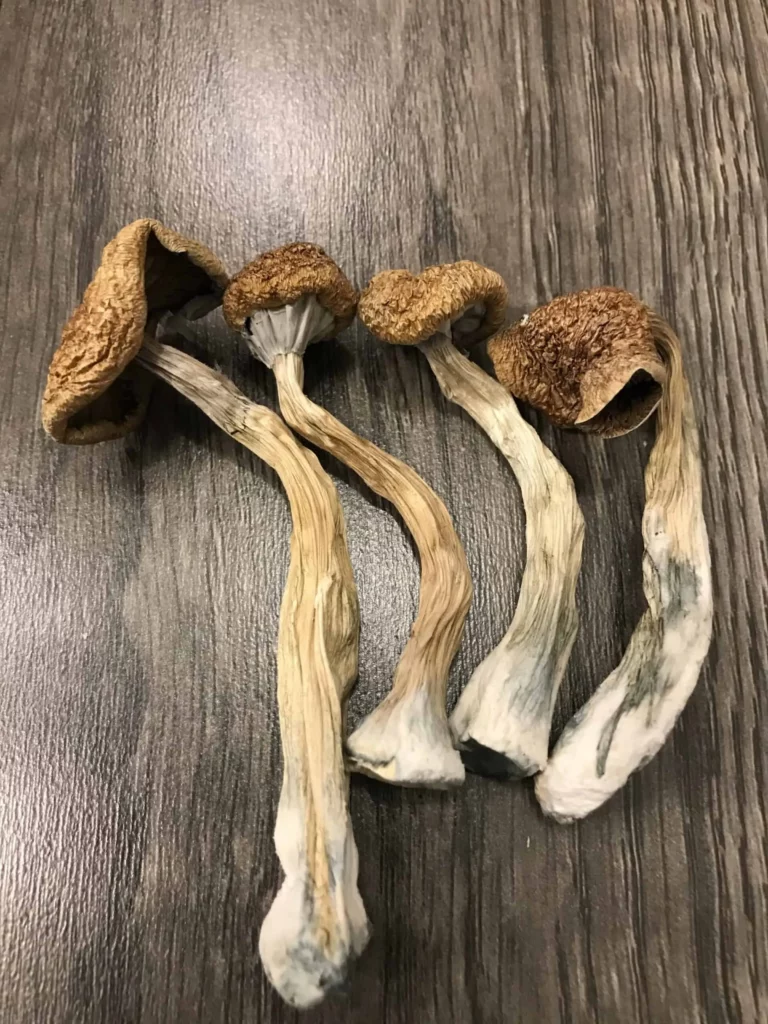
Understanding Magic Mushrooms: An Overview
What Are Magic Mushrooms?
Common Types of Psychedelic Mushrooms
Effects and Benefits of Consumption
Legal Considerations for Searching Magic Mushrooms
Current Laws and Regulations by Region
Magic mushroom legality varies more than your friend’s Netflix preferences. In some countries like the Netherlands, they’re sold openly, while in others, they fall squarely in the illegal zone. In the U.S., certain states have decriminalized or legalized psilocybin for medical use, but holding onto your collection in other states might lead to a bad trip with law enforcement. Always check local laws because ignorance won’t get you a free pass at your next court date!
Consequences of Illegal Foraging
Getting caught foraging illegal mushrooms can come with hefty fines, legal trouble, and a serious buzzkill. Think of it as being grounded in an adult setting—no mushroom parties for you! Besides legal repercussions, there’s also the risk of foraging something toxic, which can lead to health issues or worse. Safety first, fun second!
How to Stay Informed on Legal Changes
To keep your finger on the pulse of magic mushroom legality, consider subscribing to local newsletters, following advocacy groups on social media, or joining online forums. Staying informed is as easy as Googling “magic mushrooms near me”—just make sure you double-check your sources. Knowledge is power, and in this case, it can keep you from tripping over legal roadblocks!
Researching Local Species: Identifying Edible Varieties
Key Characteristics of Edible Magic Mushrooms
Identifying edible magic mushrooms isn’t just a game of ‘guess that fungus.’ Look for key characteristics like cap shape, color, and gills. Most edible varieties have a distinctive appearance: Think smooth caps, a certain squishiness, and sometimes even a beautiful blue bruise (a sure sign of psilocybin). Always take notes and pictures; a field guide won’t judge your mushroom enthusiasm!
Using Field Guides for Identification
Investing in a good field guide can be your best friend in the mushroom world. These handy books provide detailed descriptions, photos, and habitat information that can help you confidently identify edibles from their toxic cousins. Whether you’re a visual learner or a detail-oriented detective, a field guide is like having a wise old mushroom guru by your side.
Common Lookalikes and Their Risks
The biggest mistake you can make is mistaking a not-so-magic mushroom for one that’s psychedelic. Many edible species have lookalikes that are toxic and can cause anything from mild discomfort to serious health issues. For example, the deceptive Galerina marginata, aka the “deadly galerina,” is one you definitely want to avoid! Familiarize yourself with these impostors to avoid a tragic misadventure.
Using Online Resources and Communities
Popular Websites and Forums for Foragers
The internet is a treasure trove of mushroom knowledge! Websites like the Shroomery and Reddit’s r/Psychedelics are great starting points for budding foragers. They offer everything from identification tips to personal experiences. Bookmark these sites so you can dive deep into the fungal world without losing track of time—because we all know the internet is a bottomless rabbit hole!
How to Participate in Online Communities
Joining online communities is as easy as hitting that ‘join’ button. Don’t be shy! Most folks in the mushroom community are excited to share their knowledge and experiences. Ask questions, share your adventures (with pictures, please), and be respectful of varied opinions. Just like IRL, the virtual world thrives on kindness, and you’ll likely find a new friend or two!
Connecting with Local Foragers
Connecting with local foragers can provide valuable insight and tips that you won’t find in guides or forums. Look for local mushroom clubs or foraging meetups—many seasoned foragers are happy to share their secrets over a cup of mushroom tea (or something stronger). Networking with fellow enthusiasts can turn a solo venture into a fun community experience that you’ll want to return to again and again!
Safety Guidelines for Foraging Magic Mushrooms
Best Practices for Safe Foraging
Foragers, listen up! First rule of the wild: always go with a buddy. Not only does it make mushroom hunting more enjoyable, but it also means there’s someone to call 911 when you mistakenly think you’ve found a new form of spaghetti. Stick to known foraging areas and familiarize yourself with local laws—some places might not appreciate your culinary adventures! Lastly, equip yourself with a reliable guidebook or app to help you identify those fungi.
How to Test for Freshness and Potency
Freshness is key, folks! Look for mushrooms that are firm to the touch, with vibrant colors and no signs of rashness—like a good avocado. A whiff should smell earthy and pleasant. As for potency, it’s a bit trickier. If you’re new to the game, start with small amounts, and remember, “less is more” applies here! If they’re dried, check for wrinkles. Fresh mushrooms should be moist but not soggy; if it looks like it just swam in a pool, it’s best left alone.
Recognizing Signs of Poisoning
Should you start feeling woozy after your foraging trip, it might be time to look into mushroom poisoning symptoms. These can include nausea, vomiting, diarrhea, or any severe stomach pain that makes you question your life choices. If you or a friend starts experiencing these symptoms, it’s not just a bad burrito—get to a doctor ASAP. Don’t hesitate; your safety is worth more than any mushroom photo op!
Best Practices for Responsible Harvesting
Respecting Nature and the Environment
Channel your inner forest guardian! When foraging for magic mushrooms, treat nature like your favorite relative—don’t trash the place! Leave no trace, and avoid picking mushrooms that are endangered or have been living their best life in a protected area. If you’re unsure, seek knowledge instead of plucking!
Harvesting Techniques for Sustainability
When harvesting, use a gentle hand! Instead of yanking mushrooms out by their roots (which is like pulling hair), use a knife to cut them at the base. This not only ensures they grow back but also makes you look like a foraging pro—a true mushroom whisperer! Leave behind some mushrooms for others and for the ecosystem to thrive.
Maintaining Biodiversity in Foraging Areas
Remember, a diverse ecosystem is a happy one! Only take what you need, and try to pick different types of mushrooms instead of over-harvesting one species. This helps maintain the balance of life and, let’s face it, keeps the fungi family drama to a minimum. If you notice a favorite patch of mushrooms, consider giving it a break and exploring somewhere new. Mother Nature will thank you!
Tips for Successful Foraging Adventures
Choosing the Right Time and Place
Timing is everything, right? Aim for early morning or after a rain when mushrooms are at their best. Check local guides for peak seasons because, let’s be real, no one’s interested in shriveled fungi. Look for shady spots, woodlands, and meadows—think of it as visiting a buffet for your foraging cravings.
Essential Gear for Foraging
Gear up! A sturdy basket (not a plastic bag, please), a small knife, and a field guide are must-haves. Consider wearing boots—the kind that make you look like you just stepped out of a nature documentary. A compass or a map app is also handy; getting lost is only charming in movies. And don’t forget water! Hydration is key when you’re gallivanting outdoors like a modern-day Little Red Riding Hood.
Documenting Your Finds
Snap those shrooms! Taking photos of your finds not only boosts your foraging cred but can help with identification later. Keep a journal of what you harvest, including where you found them, how they looked, and—most importantly—how they tasted! You’ll be able to track trends and improve your skills. Plus, you can impress your friends with your foraging tales and mushroom culinary excursions.
Resources for Further Learning and Exploration
Books and Field Guides to Consider
Grab your library card or hit up your favorite bookstore for some solid foraging reads! Look for titles like “Mushrooms of the Northeastern United States” or “Edible Wild Mushrooms of North America.” These gems will help you navigate the fabulous and often confusing world of fungi. Remember: knowledge is power, or at least it’s better than eating a poisonous mushroom by mistake.
Workshops and Foraging Classes
Level up your foraging game by joining a workshop! Many local organizations host classes where you can learn directly from experts (who hopefully aren’t just in it for the Instagram likes). You’ll get hands-on experience, meet fellow mushroom enthusiasts, and learn the dos and don’ts of foraging in a fun, interactive setting.
Online Courses on Mycology and Foraging
Can’t find a class nearby? Fear not! The internet is bursting with online courses that dive deep into mycology and foraging techniques. From self-paced learning to live expert-led sessions, you can become a fungi expert from the comfort of your couch. Plus, you can do it in your pajamas—who said knowledge can’t be cozy?In conclusion, foraging for magic mushrooms can be an exciting and fulfilling adventure when approached with the right knowledge and respect for nature. By understanding the different species, adhering to legal guidelines, and practicing safe foraging techniques, you can enhance your experience while contributing to the preservation of these unique fungi. Remember to connect with local communities for support and continue learning about the fascinating world of magic mushrooms. Happy foraging!
Frequently Asked Questions
1. Are magic mushrooms legal to forage and consume?
The legality of magic mushrooms varies by region. It’s crucial to research and understand the laws in your area before foraging or consuming them. Always stay updated on any changes to legislation.
2. How can I differentiate between edible and poisonous mushrooms?
Proper identification is essential when foraging. Use field guides, consult with experienced foragers, and join local mushroom identification groups to learn about key characteristics that distinguish edible magic mushrooms from their toxic lookalikes.
3. What should I do if I suspect mushroom poisoning?
If you suspect mushroom poisoning, seek immediate medical attention. It’s important to provide medical professionals with as much information as possible, including the type of mushroom consumed and any symptoms experienced.
4. Can I cultivate magic mushrooms at home?
Cultivating magic mushrooms at home is subject to legal restrictions depending on your location. If it’s legal in your area, it can be a rewarding project, but be sure to research the specific requirements and guidelines for safe cultivation.
No Responses