Introduction
However, understanding these mushrooms requires more than learning about their possible benefits. Beginners should also understand their risks, legal status, and the importance of reliable health information.
In this guide, we explore what psilocybin mushrooms are, how they affect the brain, what current research suggests, and which safety precautions matter most.
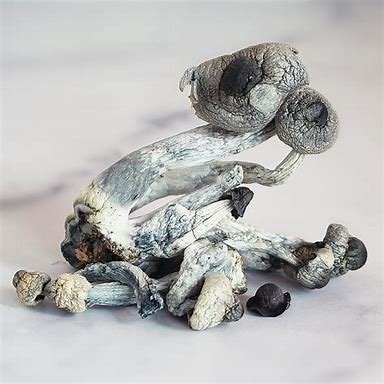
What Are Psilocybin Mushrooms?
These interactions can change how a person experiences emotions, time, sensory information, and their surroundings.
The effects are not the same for everyone. They can depend on the mushroom species, individual health, expectations, environment, and other substances taken.
How Do Psilocybin Mushrooms Work?
Psilocin interacts with serotonin receptors involved in mood, perception, and cognition. As a result, some people experience changes in sensory awareness, thought patterns, and emotional responses.
Possible effects include:
- Changes in visual perception.
- Altered feelings about time and space.
- Intense emotional experiences.
- Unusual thought patterns.
- Feelings of connection or deep reflection.
Potential Benefits of Psilocybin Mushrooms
1. Research Into Depression
Clinical researchers are investigating whether psilocybin-assisted therapy could help some people with depression, including depression that has not improved with standard treatments.
Some studies have reported promising results in carefully controlled clinical settings. However, further research is needed to establish long-term effectiveness, safety, and appropriate treatment protocols.
Psilocybin is not a replacement for professional mental health care.
2. Emotional Awareness and Reflection
Some participants in supervised psychedelic research report changes in how they understand their emotions, relationships, and personal experiences.
These reports are an area of scientific interest. They do not mean that everyone will experience greater emotional awareness or lasting psychological improvement.
3. Potential Support for Mental Health Treatment
Researchers are also examining psilocybin-assisted therapy for conditions such as anxiety associated with serious illness and certain other mental health challenges.
In these studies, the substance is generally administered within a structured setting with screening, professional supervision, and psychological support.
Important: Research findings from supervised clinical trials should not be interpreted as evidence that taking mushrooms independently is a safe or effective treatment.
Understanding the Risks and Side Effects
Psilocybin mushrooms can produce unpredictable psychological and physical effects. Knowing the risks is essential for anyone researching them.
Common Side Effects
Reported side effects include:
- Nausea and digestive discomfort.
- Dizziness and headaches.
- Increased heart rate and blood pressure.
- Anxiety, fear, or panic.
- Confusion and impaired judgment.
- Disturbing hallucinations or paranoia.
Some experiences can be emotionally overwhelming and may continue for several hours.
Psychological Risks
Psilocybin can intensify emotions and alter a person’s perception of reality. In some cases, this may lead to severe distress or dangerous behaviour.
There is also a risk of persistent psychological symptoms, including psychosis, particularly among vulnerable individuals.
People with a personal or family history of psychotic disorders or certain serious mood disorders should seek advice from a qualified healthcare professional before considering psychedelic exposure.
Mushroom Identification Risks
Wild mushrooms can resemble one another, and some poisonous species may be mistaken for psilocybin-containing mushrooms. Misidentification can cause severe illness or death.
Never assume a wild mushroom is safe based on its appearance, colour, or an online photograph.
Essential Safety Information for Beginners
There is no way to make unsupervised psilocybin use completely safe. The following precautions can help readers understand important risks and make informed decisions.
1. Understand the Law
Psilocybin laws differ between countries and regions. In the United Kingdom, psilocybin is a Class A controlled drug, and activities involving psilocybin-containing mushrooms can carry serious legal consequences.
Readers should consult current official legislation before making decisions involving controlled substances.
2. Avoid Mixing Substances
Combining psychedelics with alcohol, recreational drugs, or medications can increase uncertainty and may create additional health risks.
If you take prescription medication, consult a qualified healthcare professional about potential interactions. Do not stop prescribed medication without medical advice.
3. Prioritise a Safe Environment
Psychedelic effects may impair judgment, coordination, and awareness of danger. Intense fear or confusion can occur even when someone expects a positive experience.
Avoid driving, operating machinery, swimming, climbing, or engaging in other activities where impaired judgment could cause injury.
4. Recognise When Medical Help Is Needed
Seek urgent medical assistance if someone develops severe confusion, seizures, chest pain, difficulty breathing, extreme agitation, or loss of consciousness after taking a substance.
Do not leave a person experiencing a severe reaction alone. Tell medical professionals what may have been taken, if known.
5. Be Careful With Online Health Claims
Online discussions sometimes describe magic mushrooms as a natural solution for depression, anxiety, or personal development. Such claims may exaggerate the evidence or overlook important risks.
Look for information from reputable health organisations and peer-reviewed research rather than relying solely on testimonials or marketing material.
Are Psilocybin Mushrooms Legal in the UK?
The legal status of psilocybin mushrooms is an important consideration for UK readers.
Psilocybin is controlled as a Class A drug under the UK’s Misuse of Drugs Act 1971. The law also covers fungi containing psilocybin or psilocin, including fresh and dried magic mushrooms.
There are limited legal frameworks for authorised research and other permitted activities, but these do not create a general exemption for recreational possession or supply.
Anyone seeking clarification should consult official government guidance or a qualified legal professional.
Frequently Asked Questions
What are psilocybin mushrooms used for?
Psilocybin mushrooms are known for their psychedelic effects. Researchers are also investigating psilocybin-assisted therapy for certain mental health conditions, but research remains ongoing.
Are psilocybin mushrooms safe for beginners?
They are not risk-free. Effects can be unpredictable, and some people experience panic, confusion, increased blood pressure, or serious psychological reactions. Unsupervised use cannot be considered completely safe.
Can psilocybin mushrooms treat depression?
Some clinical studies have reported promising findings for psilocybin-assisted therapy. However, more evidence is needed, and psilocybin is not an established, generally licensed treatment for depression in the UK.
How long do the effects last?
Effects can vary according to the substance, individual, and circumstances. Acute psychedelic effects may last several hours, and some psychological or physical after-effects can persist longer.
Is microdosing psilocybin risk-free?
No. Taking small amounts does not eliminate the risks. Research on microdosing remains limited, and reported adverse effects include anxiety, sleep problems, digestive discomfort, and difficulties with concentration.
Final Thoughts
Psilocybin mushrooms are an important subject of scientific research, particularly in the investigation of new approaches to mental health care. Their potential therapeutic applications are interesting, but the evidence is still developing, and significant risks remain.
For beginners, the best starting point is education. Understand the possible effects, recognise the limitations of current research, check the applicable laws, and seek qualified medical advice when necessary.
At Magic Mushroomery, accurate information about psilocybin mushrooms should always put health, safety, and legal awareness first.
No Responses