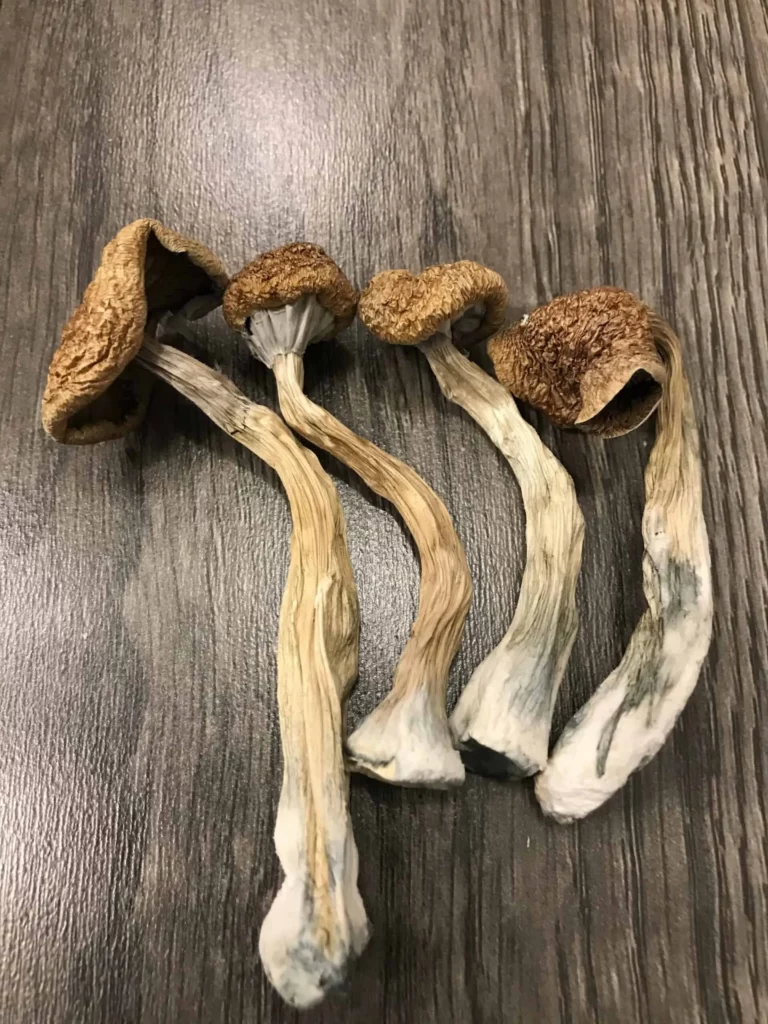
Psilocybin mushrooms: What they are, current research, and legal considerations
Psilocybin mushrooms are naturally occurring fungi that contain the psychoactive compounds psilocybin and psilocin. For decades, scientists have studied these compounds to better understand their effects on the brain and their potential role in treating certain mental health conditions under carefully controlled clinical settings.
This guide explains what psilocybin mushrooms are, summarizes current research, discusses potential risks, and highlights the importance of understanding local laws.
What are psilocybin mushrooms?
Psilocybin mushrooms are a group of fungi that naturally produce psilocybin. After ingestion, the body converts psilocybin into psilocin, which interacts with serotonin receptors in the brain and can alter perception, mood, and cognition.
Different species vary in appearance and chemical composition, making accurate identification important. Misidentification of wild mushrooms can be dangerous because some poisonous species closely resemble psychoactive varieties.
Current scientific research
Researchers continue to study psilocybin for potential therapeutic applications, including:
- Treatment-resistant depression
- Anxiety associated with serious illness
- Post-traumatic stress disorder (PTSD)
- Substance use disorders
Most research is conducted in regulated clinical environments with medical screening, professional supervision, and structured psychological support.
Possible effects
Effects vary depending on several factors, including the individual, dosage, and setting.
Commonly reported effects may include:
- Changes in perception
- Altered sense of time
- Emotional changes
- Increased introspection
- Visual distortions
Not everyone has a positive experience, and reactions can differ significantly.
Potential risks
Potential risks include:
- Anxiety or panic
- Confusion
- Impaired judgment
- Accidents due to altered perception
- Psychological distress in susceptible individuals
People with certain psychiatric conditions may face increased risks, which is one reason clinical studies include extensive screening.
Legal considerations
Laws regarding psilocybin differ widely around the world. Some jurisdictions permit research or limited therapeutic use, while others prohibit possession or use entirely.
Always check the laws that apply where you live before making decisions related to psilocybin.
Harm reduction
Public health organizations emphasize several harm reduction principles:
- Never consume unidentified wild mushrooms.
- Avoid combining psychoactive substances.
- Do not drive or operate machinery while impaired.
- Seek immediate medical attention if someone experiences severe distress or a medical emergency.
Frequently Asked Questions
Are all mushrooms containing psilocybin?
No. Only certain species naturally contain psilocybin, while thousands of mushroom species do not.
Is psilocybin being studied for medical use?
Yes. Universities and medical institutions continue to investigate its potential therapeutic benefits through regulated clinical trials.
Can wild mushrooms be safely identified?
Correct identification can be difficult. Mistaking a toxic mushroom for a psychoactive species can result in serious illness or death.
Conclusion
Interest in psilocybin mushrooms continues to grow because of expanding scientific research and public discussion. While early research is promising in some areas, much remains to be studied. Anyone interested in this topic should rely on reputable scientific sources, understand the legal status in their jurisdiction, and prioritize safety.
No Responses