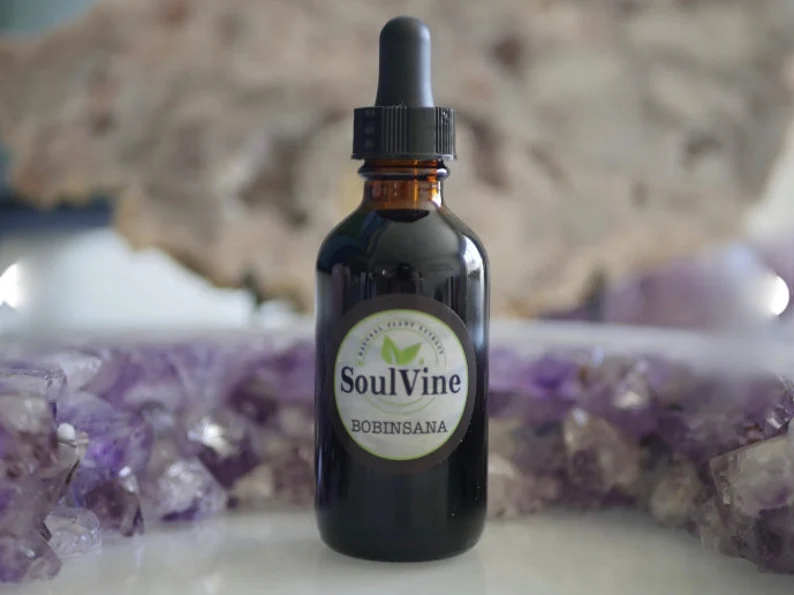
European Countries with Legal Access to Psychedelic Drops: A Guide to Psilocybin Laws
Website: https://magicmushroomery.com
Introduction
This guide explores the European legal landscape, highlights countries with specific forms of regulated access and explains the difference between medical authorisation, decriminalisation and commercial availability.
What Are Psychedelic Drops?
Products described as mushroom drops may contain different ingredients, including:
- Psilocybin or psilocin.
- Mushroom extracts.
- Other psychoactive botanical compounds.
- Non-psychoactive mushroom ingredients.
Consumers should always check the actual ingredients, concentration, product classification and applicable national regulations.
European Countries with Specific Legal Access to Psychedelic Substances
1. Netherlands
The Netherlands is frequently mentioned in discussions about psychedelic products because of its distinctive approach to certain mushroom-related products.
Under Dutch law, fresh and dried psychoactive mushrooms are prohibited. However, psilocybin-containing truffles, also known as sclerotia, are not covered by the Dutch Opium Act and are sold through regulated smart shops.
This distinction is important because the legal status of truffles does not automatically extend to liquid extracts, concentrated psilocybin or mushroom drops.
Anyone considering a mushroom-related product in the Netherlands should check its exact formulation and legal classification.
2. Czech Republic
The Czech Republic has introduced an important development in the regulation of therapeutic psilocybin.
From 1 January 2026, legislative changes established a framework allowing psilocybin to be administered for medical purposes in specialised healthcare facilities under defined conditions.
This framework is intended for selected patients and requires appropriate medical supervision. It does not legalise recreational magic mushrooms or create permission for unrestricted commercial sales of psychedelic drops.
The country’s National Institute of Mental Health reported in March 2026 that the practical introduction of treatment was still dependent on further administrative and reimbursement arrangements.
3. Switzerland
Switzerland has a specialised medical access framework for certain psychedelic substances, including psilocybin.
In exceptional cases, medical professionals may seek authorisation from the Swiss Federal Office of Public Health (FOPH) for the medical use of controlled substances when the applicable requirements are satisfied.
This is a restricted medical pathway rather than general permission for recreational consumption or unrestricted retail sales.
Importantly, medical authorisation for psilocybin does not mean that commercially marketed psychedelic drops are automatically legal in Switzerland.
4. Portugal
Portugal is often included in conversations about European drug policy because of its approach to personal possession.
The country decriminalised the personal possession of limited quantities of drugs in 2001, subject to its legal framework and administrative procedures.
However, decriminalisation is not the same as legalisation.
Psilocybin remains a controlled substance, and the production, supply and commercial distribution of prohibited psychedelic products are not made legal by the personal-possession policy.
People researching psychedelic drops should therefore avoid assuming that Portugal permits their unrestricted sale or purchase.
5. Germany
Germany has a regulated framework for controlled medicines and certain exceptional medical-use arrangements.
Psilocybin remains subject to strict controlled-substance regulations. Limited compassionate-use or research pathways should not be confused with general public access.
Clinical research and exceptional medical authorisation are different from ordinary retail availability.
Anyone investigating psychedelic treatments in Germany should consult the relevant medical and regulatory authorities before making assumptions about a particular product.
Are Psychedelic Drops Legal Across Europe?
No. There is no Europe-wide law that makes all psychedelic drops legal.
The European Union provides a broader framework for controlled substances, medicines and clinical research, but individual countries maintain their own national regulations.
The legal position can depend on:
- The active ingredient in the product.
- Whether the product contains controlled psilocybin or psilocin.
- Whether it is intended for medical or non-medical use.
- Whether the product has the necessary medicinal authorisation.
- Whether its manufacture, possession, sale or importation is permitted.
For example, a country may permit a particular medical treatment while prohibiting recreational possession and commercial distribution of the same controlled substance.
Important Differences Between Legalisation and Decriminalisation
Understanding these terms is essential when researching psychedelic products.
Legalisation: A substance or activity is permitted under specified legal conditions.
Decriminalisation: Certain activities, such as possession of a limited quantity for personal use, may no longer attract criminal prosecution, although administrative penalties can still apply.
Medical authorisation: A controlled substance may be administered or prescribed under specific healthcare regulations.
Clinical research: A substance may be used in an approved scientific study without becoming legally available to the general public.
These distinctions help explain why a country can have relatively progressive drug policies while still restricting the commercial sale of psychedelic products.
What Should Consumers Know Before Researching Psychedelic Drops?
Before considering any product marketed as psychedelic drops, it is important to establish what it actually contains.
Here are several points worth considering:
- Check the ingredients: Marketing descriptions do not establish the chemical composition of a product.
- Understand local laws: Regulations may differ between possession, manufacture, distribution and importation.
- Verify product authorisation: A product advertised online is not necessarily an approved medicine.
- Avoid misleading claims: Be cautious of sellers promising guaranteed therapeutic benefits or describing controlled substances as universally legal.
- Consider health risks: Psychedelic substances can cause unpredictable psychological effects and may present additional risks for people with certain mental health conditions or medications.
A responsible approach starts with reliable information rather than assumptions based on online advertising.
Frequently Asked Questions (FAQs)
1. Which European country allows psychedelic mushrooms in a retail setting?
The Netherlands is notable for allowing the retail sale of certain psilocybin-containing truffles through smart shops. This exception does not apply to ordinary fresh or dried psychedelic mushrooms or every type of psychedelic extract.
2. Are psychedelic drops legal in the Netherlands?
Not automatically. The legal position depends on the ingredients and formulation. The exception for psilocybin-containing truffles should not be interpreted as permission to sell or possess all psilocybin liquids.
3. Is psilocybin legal in the Czech Republic?
The Czech Republic introduced a restricted medical-use framework effective from January 2026. This allows therapeutic use under specified healthcare conditions, not unrestricted recreational access.
4. Is psychedelic use legal in Portugal?
Portugal decriminalised certain personal-possession offences, but this does not mean that controlled psychedelic substances are legal for unrestricted sale, distribution or recreational use.
5. Can I travel between European countries with psychedelic drops?
Not without checking the relevant laws. A product permitted in one country may be prohibited in another. Importation and cross-border transportation can attract separate legal consequences.
6. Are mushroom drops the same as mushroom supplements?
No. Ordinary mushroom supplements may contain non-psychoactive mushroom ingredients, while psychedelic formulations may contain controlled substances. Their legal classifications can be very different.
Conclusion
The European legal landscape surrounding psychedelic substances is complex and continues to evolve. The Netherlands has a recognised exception for certain psilocybin-containing truffles, Switzerland provides restricted medical access, and the Czech Republic has introduced a new therapeutic framework.
Portugal’s decriminalisation policy and Germany’s exceptional medical pathways also demonstrate why it is important to distinguish between different forms of legal access.
For anyone researching European psychedelic regulations, the most important consideration is the actual ingredient and legal classification of the product rather than its marketing name.
At Magic Mushroomery, we believe that accurate information, responsible awareness and an understanding of local regulations are essential when discussing mushroom-related products and developments in the European market.
No Responses