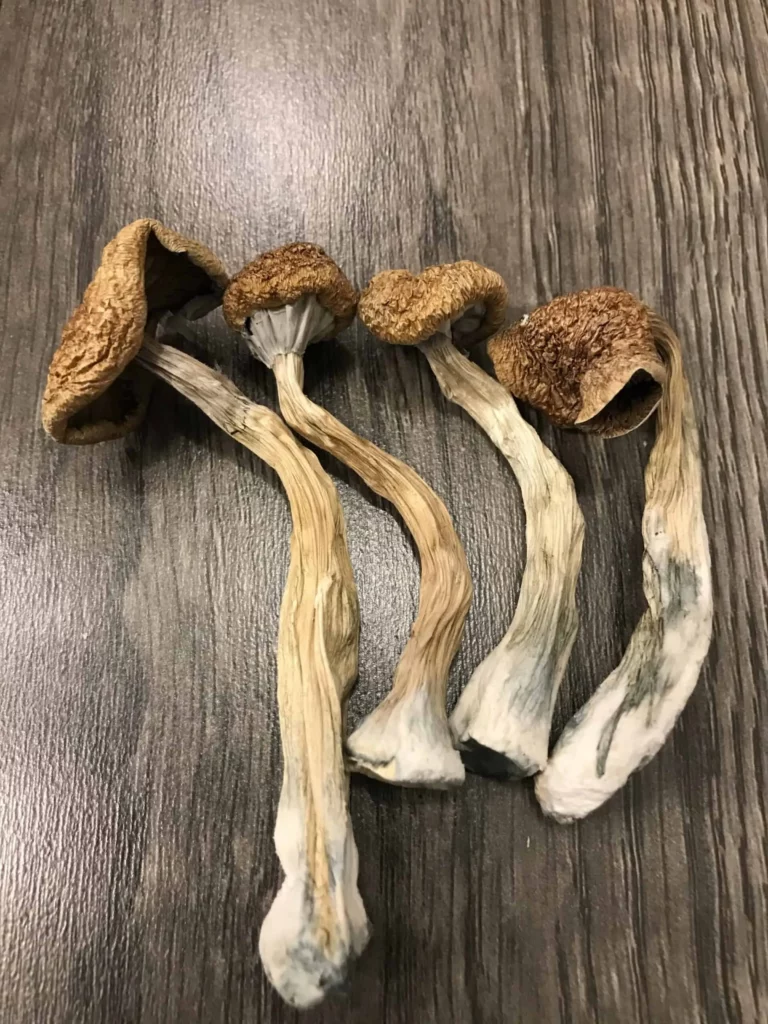
Explore Premier UK Locations for Discovering Magical Fungi!
The United Kingdom is home to beautiful woodlands, ancient forests, rolling hills, and diverse natural habitats. These landscapes support an incredible variety of fungi, from familiar woodland mushrooms to unusual species that fascinate nature lovers and researchers.
If you are interested in magical fungi, the UK offers plenty of opportunities to learn about fungal diversity, discover fascinating ecosystems, and appreciate the natural world. However, understanding mushroom identification, conservation, and local laws is essential before exploring.
In this guide, we highlight some of the UK’s most interesting locations for fungi enthusiasts and explain how to explore responsibly.
What Makes the UK Interesting for Fungi Enthusiasts?
The UK’s varied climate and landscapes create suitable conditions for many fungal species. Moist woodland floors, decaying leaves, old tree trunks, and grassland habitats can support different types of fungi throughout the year.
Autumn is often an exciting season for mushroom enthusiasts because cooler temperatures and damp conditions encourage many fungi to appear. However, different species grow at different times, depending on the weather, habitat, and local environment.
Whether you are a beginner or an experienced naturalist, exploring fungi can help you better understand biodiversity and the important role mushrooms play in healthy ecosystems.
1. Epping Forest, Essex and Greater London
Epping Forest is a well-known ancient woodland offering a natural escape from the surrounding urban environment. Its mature trees, leaf litter, and shaded areas create habitats for a variety of fungi.
Visitors can explore designated paths, observe woodland ecosystems, and learn how fungi contribute to the natural environment.
Why visit Epping Forest?
- Extensive woodland walking routes.
- Opportunities to observe seasonal fungi.
- Accessible nature experiences near London.
- A chance to learn about woodland conservation.
Always remain on permitted paths where required, and avoid disturbing fungi or their surrounding habitats.
2. New Forest National Park, Hampshire and Dorset
The New Forest is famous for its ancient woodlands, open heathland, and rich wildlife. Its varied habitats make it an appealing destination for people interested in British fungi and natural history.
Different environments support different fungal communities, making the area valuable for learning about the relationship between fungi, trees, soil, and decaying organic matter.
What can visitors enjoy?
- Scenic woodland walks.
- Heathland and forest landscapes.
- Nature photography and wildlife observation.
- Educational opportunities about fungal biodiversity.
Before collecting any wild fungi, check the applicable rules and landowner permissions. Some areas have restrictions on picking or removing natural materials.
3. The Forest of Dean, Gloucestershire
Located in western Gloucestershire, the Forest of Dean is known for its extensive woodland, walking trails, and distinctive natural scenery.
Its combination of mature trees, damp woodland floors, and decaying wood provides interesting conditions for studying fungi. Visitors can appreciate the variety of shapes, textures, and colours that fungi display across different habitats.
Reasons to explore the Forest of Dean include:
- A rich woodland environment.
- Well-known walking and cycling routes.
- Opportunities for nature photography.
- A peaceful setting for learning about fungal ecology.
Consider joining a guided nature walk or a local natural history group to develop your knowledge of fungi safely.
4. Snowdonia (Eryri) National Park, Wales
Eryri, also known as Snowdonia, features mountains, valleys, forests, lakes, and grasslands. Its varied landscapes support different ecological communities, including fungi associated with woodland and other natural habitats.
Although the region is best known for its dramatic mountain scenery, it also offers opportunities to explore the wider natural world and learn about biodiversity.
Highlights for nature lovers:
- Diverse landscapes and habitats.
- Beautiful scenery for photography.
- Educational walking experiences.
- Opportunities to learn about conservation.
Weather conditions can change quickly in mountainous areas, so plan walks carefully and follow local safety guidance.
5. The Scottish Highlands
The Scottish Highlands offer expansive landscapes, native woodlands, wetlands, and open countryside. These environments support a range of fungi, depending on local conditions and the type of habitat.
For visitors interested in mycology, the region provides an opportunity to learn how fungi interact with trees, plants, soil, and wildlife.
Why explore the Scottish Highlands?
- Remarkable natural scenery.
- Opportunities to discover native woodland ecosystems.
- A wide range of outdoor activities.
- Excellent settings for observing nature without disturbing it.
Some locations are remote, so check access information, weather forecasts, and conservation guidance before setting out.
6. Kew Gardens, London
For those who prefer structured learning to searching through wild habitats, the Royal Botanic Gardens, Kew, offers a valuable way to explore plant and fungal science.
Botanical gardens and scientific institutions can help visitors understand biodiversity, conservation, and the role of fungi in ecosystems. Check current exhibitions, events, and educational resources before visiting.
Kew is particularly suitable for people who want to deepen their understanding of the natural world in an organised educational setting.
Understanding Magical Fungi and Psilocybin Mushrooms
The phrase magical fungi can refer to different things. Some people use it informally when discussing unusual mushrooms, folklore, or fungi with psychoactive properties.
Psilocybin is a naturally occurring psychedelic compound found in certain mushroom species. These mushrooms are different from the many ordinary fungi found in British woodlands.
It is important not to assume that a mushroom is psychoactive based on its appearance, habitat, or resemblance to a photograph. Mushroom identification can be difficult, and mistakes can cause serious poisoning.
For anyone interested in the science of psilocybin, reliable educational resources can explain its pharmacology, ongoing research, potential risks, and the distinction between clinical research and unsupervised use.
Is It Legal to Source Magical Mushrooms in the UK?
Understanding UK law is essential before attempting to obtain, collect, possess, or use psychoactive mushrooms.
Psilocybin and psilocin are controlled under UK drug legislation. Activities involving psilocybin mushrooms can carry serious legal consequences, and the legal position depends on the specific activity and circumstances.
Do not assume that a product is legal simply because it is advertised online, described as a natural product, or offered by a website.
For accurate information, consult current official UK government guidance or obtain advice from a qualified legal professional before taking action.
Nature enthusiasts should also check the rules governing access, collection, and conservation at each location. Permission to visit a woodland does not automatically mean permission to remove fungi.
Tips for Responsible Fungi Exploration
Exploring fungi can be rewarding when you put safety and conservation first.
Learn to Identify Fungi
Use reputable field guides and educational resources to understand the characteristics of different fungal groups. Do not consume a wild mushroom based solely on an online image or an informal identification.
Respect Natural Habitats
Fungi are an important part of ecosystems. Avoid damaging surrounding vegetation, disturbing wildlife, or removing specimens where collection is prohibited.
Check Local Access Rules
National parks, nature reserves, privately managed forests, and botanical gardens may have different rules. Review local guidance before visiting or collecting anything.
Choose Suitable Walking Routes
Wear appropriate footwear, bring water, check the weather, and tell someone your plans if you are exploring remote areas.
Join a Mycology Group
Local natural history societies and fungi groups can help beginners learn identification techniques and understand fungal ecology under experienced guidance.
Frequently Asked Questions
Where can I learn about fungi in the UK?
Ancient woodlands, national parks, botanical gardens, nature reserves, and organised fungi walks are useful places to learn about fungal diversity. Epping Forest, the New Forest, and the Forest of Dean are examples of locations with interesting woodland environments.
When is the best time to explore British fungi?
Autumn is often a productive season for observing many mushroom species because of cooler, wetter conditions. However, fungi can appear throughout the year, depending on the species and habitat.
Can I collect wild mushrooms in the UK?
Collection rules vary by location, land ownership, conservation status, and the species involved. Always check local restrictions and obtain any required permission before collecting fungi.
Are all wild mushrooms safe to handle or eat?
No. Some mushrooms are poisonous, and distinguishing edible species from dangerous lookalikes can be difficult. Never eat a wild mushroom unless its identification has been established with an appropriate level of expertise.
Are psilocybin mushrooms legal in the UK?
Psilocybin and psilocin are controlled substances under UK law. Legal consequences may apply to activities involving psychoactive mushrooms. Consult current official guidance for information relevant to your circumstances.
Final Thoughts: Discover the Fascinating World of UK Fungi
From the ancient woodlands of Epping Forest to the dramatic scenery of the Scottish Highlands, the UK offers many places to appreciate the remarkable diversity of fungi.
Exploring these environments can deepen your understanding of nature, conservation, and the science behind different mushroom species. The best approach is to prioritise reliable education, responsible outdoor activities, and respect for local laws.
Whether you are interested in woodland walks, fungal photography, mycology, or the science of psilocybin, learning from trustworthy sources is an excellent place to begin.
Explore responsibly, stay informed, and appreciate the UK’s fascinating fungal diversity.
No Responses