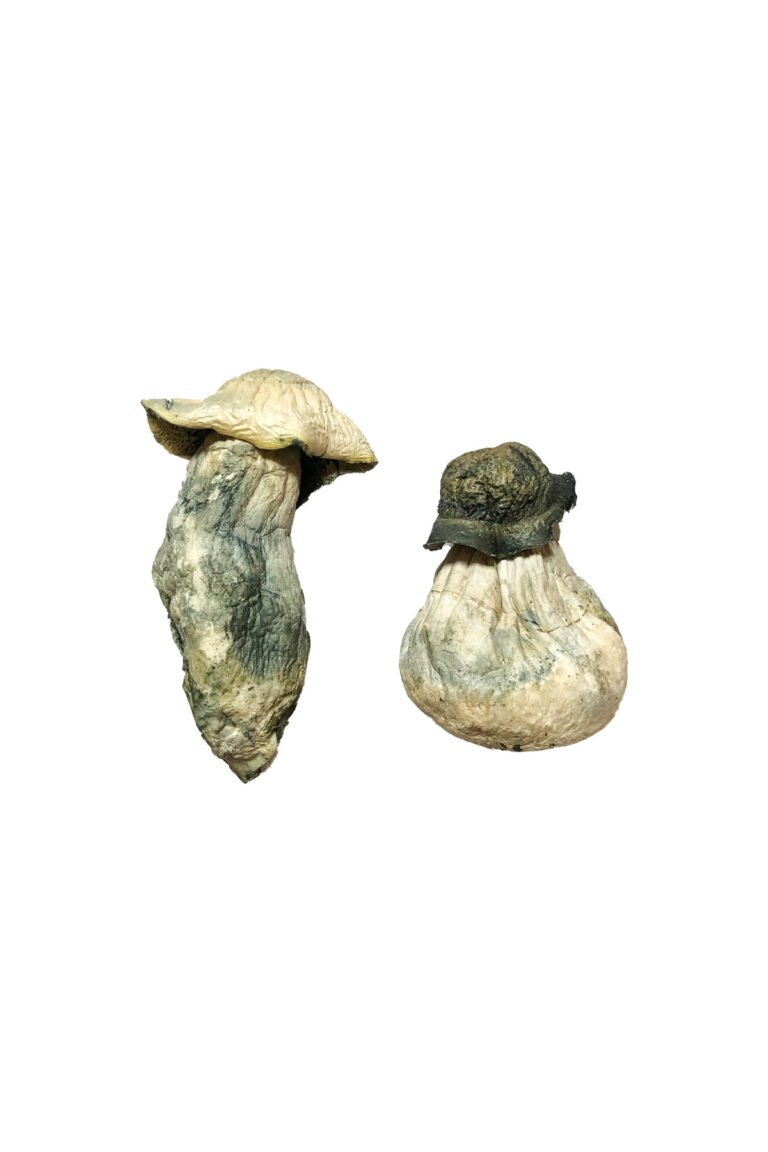
From Farm to Doorstep: Top Picks – Discover Quality Mushrooms from Trusted Sources
Introduction
Our guide, From Farm to Doorstep: Top Picks, explores popular mushroom varieties, what makes them special and what to consider when choosing fresh mushrooms.
1. Discover the Most Popular Mushroom Varieties
Shiitake Mushrooms
Their firm texture makes them a versatile ingredient for everyday meals.
Oyster Mushrooms
Oyster mushrooms are known for their delicate appearance and soft texture. They are popular among chefs and home cooks because they work well in pasta, vegetable dishes, soups and stir-fries.
Lion’s Mane Mushrooms
Lion’s Mane is a distinctive mushroom recognised by its white, cascading appearance. It has attracted attention among culinary enthusiasts and researchers interested in mushroom compounds.
It is also valued as an ingredient because of its texture, which can be used in different plant-based recipes.
Button and Portobello Mushrooms
Button and Portobello mushrooms are familiar choices for everyday cooking. Button mushrooms are ideal for salads, omelettes and sauces, while larger Portobello mushrooms are frequently grilled or roasted.
2. What Makes a Quality Mushroom?
Choosing quality mushrooms involves more than appearance. Proper cultivation, harvesting, packaging and storage all contribute to the final product.
Here are some important things to consider:
- Freshness: Look for mushrooms with a firm texture and a clean, natural appearance.
- Cleanliness: Products should be free from visible contamination and excessive debris.
- Proper handling: Mushrooms require careful handling because they can deteriorate quickly.
- Reliable sourcing: Choose products from reputable growers and suppliers.
- Clear labelling: Product descriptions should identify the variety and provide appropriate storage information.
These factors help consumers make informed choices.
3. From Farm to Doorstep: Why Proper Handling Matters
The journey from cultivation to delivery plays an important role in mushroom quality.
Mushrooms are delicate products that require appropriate handling throughout the supply chain. Poor storage conditions, excessive moisture and unsuitable packaging can reduce their quality.
A responsible farm-to-doorstep process should consider the following stages:
Cultivation: Mushrooms should be grown in suitable conditions using appropriate growing materials and hygienic practices.
Harvesting: Harvesting at the appropriate stage helps maintain the mushroom’s appearance and quality.
Inspection: Products should be checked for visible damage, spoilage and contamination.
Packaging: Suitable packaging helps protect delicate mushrooms during handling and transportation.
Storage and transportation: Fresh mushrooms should be kept under appropriate temperature conditions to reduce deterioration.
Delivery: Products should be handled carefully until they reach their intended destination.
Understanding these stages helps consumers appreciate the importance of responsible mushroom production.
4. How to Choose the Right Mushrooms
Different mushrooms serve different purposes. Before choosing a variety, consider how you intend to use it.
For culinary purposes, consider:
- The flavour profile you prefer.
- Whether you need mushrooms for grilling, roasting or cooking.
- The quantity required for your recipes.
- The freshness and condition of the product.
- The storage instructions provided by the supplier.
Always purchase edible mushrooms from reputable sources. Never consume unidentified wild mushrooms, as some poisonous varieties can look similar to edible species.
5. Tips for Keeping Fresh Mushrooms in Good Condition
Proper storage helps maintain mushroom quality after purchase.
Consider these practical tips:
- Refrigerate fresh mushrooms promptly.
- Keep them in their original suitable packaging or a paper bag.
- Avoid storing them in airtight containers that trap excess moisture.
- Clean mushrooms shortly before preparing them.
- Remove mushrooms showing signs of spoilage.
- Follow the storage instructions provided for the particular variety.
Fresh mushrooms are perishable, so it is best to use them as soon as reasonably possible.
6. Why Responsible Sourcing Matters
Responsible sourcing is an important part of the mushroom industry. Consumers deserve clear information about the products they choose.
A trustworthy supplier should provide accurate product descriptions, appropriate handling information and transparent details about the products being offered.
Consumers should also consider local food regulations and make sure that any purchased mushroom products are lawful in their location.
At MagicMushroomery.com, our focus for this guide is to highlight the importance of informed choices, responsible sourcing and an appreciation of mushroom diversity.
7. Final Thoughts: Quality Begins with Knowledge
From cultivation and harvesting to packaging and delivery, every stage contributes to the quality of mushrooms.
Whether you are exploring Shiitake, Oyster, Lion’s Mane, Button or Portobello mushrooms, understanding their characteristics can help you make better purchasing and preparation decisions.
The best mushroom experience begins with reliable information, careful handling and responsible choices.
Explore more mushroom information at MagicMushroomery.com and discover the fascinating world of mushroom varieties.
Frequently Asked Questions (FAQs)
What are the most popular edible mushroom varieties?
Popular edible varieties include Shiitake, Oyster, Lion’s Mane, Button, Portobello, Enoki and Morel mushrooms.
How can I identify fresh mushrooms?
Fresh mushrooms generally have a firm texture, a clean appearance and no obvious signs of mould, slime or spoilage.
How should fresh mushrooms be stored?
Most fresh mushrooms should be refrigerated promptly in suitable packaging that allows appropriate airflow. Follow the storage instructions for the specific variety.
Why is mushroom sourcing important?
Responsible sourcing helps consumers understand where their products come from and whether appropriate cultivation, handling and storage practices have been followed.
Are all wild mushrooms safe to eat?
No. Some wild mushrooms are poisonous and can cause serious illness or death. Never consume a wild mushroom unless its identity and edibility have been confirmed by a qualified expert.
What should I consider before purchasing mushrooms?
Consider the variety, freshness, product description, supplier reputation, packaging, storage requirements and applicable local regulations.
No Responses