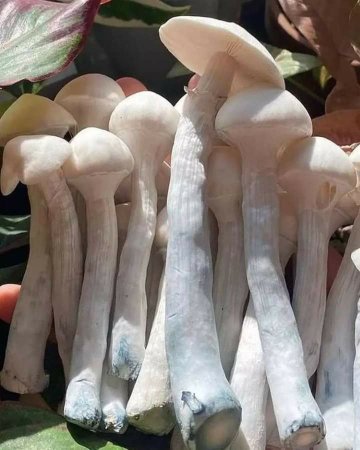
From Farm to Fantasy: Discovering the World of UK Mushrooms
But what happens between the farm and the final product?
What Makes Mushrooms So Fascinating?
This hidden network plays an important role in nature. Fungi help break down organic material and contribute to nutrient cycling within ecosystems.
That makes mushrooms much more than something found on a dinner plate. They are part of a much larger biological system.
Their unusual shapes, colours and growing patterns have also inspired stories, artwork and fantasy for generations.
From Farm to Table
Commercial mushroom cultivation is a carefully managed process.
Growers need to consider factors such as:
- Growing substrate
- Temperature
- Humidity
- Ventilation
- Hygiene
- Light exposure
- Harvest timing
- Storage and packaging
Different mushroom species can have very different growing requirements.
Common culinary mushrooms available in the UK include button mushrooms, chestnut mushrooms, oyster mushrooms and shiitake.
Modern cultivation allows growers to create controlled conditions that help produce consistent crops throughout the year.
The Rise of UK Mushroom Cultivation
Mushroom farming is an interesting example of how agriculture can take place in controlled indoor environments.
Unlike traditional crops that depend heavily on large fields, many mushrooms can be cultivated vertically or in compact growing spaces.
This can make fungi particularly interesting from a sustainability and food-production perspective.
Research is also exploring new ways fungi and mycelium can be used in food production, fermentation and other innovative applications.
The UK Food Standards Agency maintains a register of authorised novel foods in Great Britain, showing how emerging food technologies are increasingly being assessed through formal safety and regulatory processes.
Culinary Mushrooms: Simple, Nutritious and Versatile
For many people, the easiest way to appreciate mushrooms is through food.
Mushrooms can be:
- Fried with vegetables
- Added to soups
- Used in pasta dishes
- Cooked with rice
- Added to sauces
- Served with breakfast
- Used as a meat alternative in some recipes
Their savoury flavour and satisfying texture make them popular in many different cuisines.
When purchasing mushrooms as food, consumers should look for clearly labelled products from reputable sources and follow storage and preparation instructions.
Mushrooms and the Future of Food
Fungi are attracting attention beyond traditional mushroom farming.
Researchers are investigating fungal fermentation, mycelium-based ingredients and other applications that could contribute to future food systems.
The Food Standards Agency has also published research concerning novel foods involving mushroom mycelia, demonstrating the growing scientific interest in fungi-related food technologies.
This does not mean every new mushroom-based product is automatically approved for sale.
In Great Britain, novel foods generally require authorisation before they can be placed on the market.
That is why responsible sourcing and accurate product information matter.
The Difference Between Culinary and Psychoactive Mushrooms
The word “mushroom” describes a huge range of fungi, but different species can have completely different properties.
Culinary mushrooms are commonly grown and sold as food.
Other fungi may contain naturally occurring compounds that have psychoactive effects and may be subject to drug-control laws.
Consumers should never assume that a mushroom is legal or safe simply because it is naturally occurring or sold under a mushroom-related name.
Anyone interested in fungi should check current UK laws and official guidance before possessing, growing, importing or consuming unusual mushroom species.
Responsible Mushroom Growing
For people interested in growing mushrooms legally as a hobby, culinary species can provide an excellent introduction to fungal cultivation.
A beginner can learn about:
- Selecting an appropriate culinary species.
- Preparing a suitable growing environment.
- Maintaining cleanliness.
- Managing temperature and humidity.
- Monitoring growth.
- Harvesting at the appropriate stage.
- Storing the finished mushrooms correctly.
Growing edible mushrooms can be both educational and rewarding.
It also provides an opportunity to understand how much science and care goes into producing something that may look simple when it reaches the kitchen.
Why the UK Mushroom Industry Is Interesting
The future of mushrooms in Britain could involve much more than traditional farming.
Fungi are being studied for applications involving:
- Food innovation
- Fermentation
- Sustainable materials
- Agriculture
- Biotechnology
- Scientific research
As research develops, fungi may become increasingly important in conversations about sustainable production.
The Food Standards Agency has noted that innovation in novel foods is progressing quickly, creating new opportunities as well as new regulatory challenges.
From Farm to Fantasy
There is something genuinely fascinating about mushrooms.
They can be ordinary ingredients in a supermarket basket, important organisms in a woodland ecosystem and subjects of advanced scientific research—all at the same time.
The journey from farm to table begins with biology, continues through cultivation and careful harvesting, and ends with food that can become part of countless recipes.
At the same time, the wider fungal kingdom reminds us that there is still much to learn.
Final Thoughts
From Farm to Fantasy: UK is ultimately a story about curiosity.
Mushrooms connect agriculture, food, nature, science and culture in a way few other organisms do. As interest in fungi continues to develop, responsible cultivation, accurate information and respect for UK regulations will remain essential.
Whether you are interested in culinary mushrooms, fungal biology or the future of mushroom farming, the world of fungi offers plenty to explore.
For more educational information about mushrooms, cultivation and the fascinating science behind fungi, continue exploring Magic Mushroomery.
Important: This article is for educational purposes. Laws and regulations concerning fungi and controlled substances can change, so readers should consult current official UK guidance before taking action involving regulated species or products.
No Responses