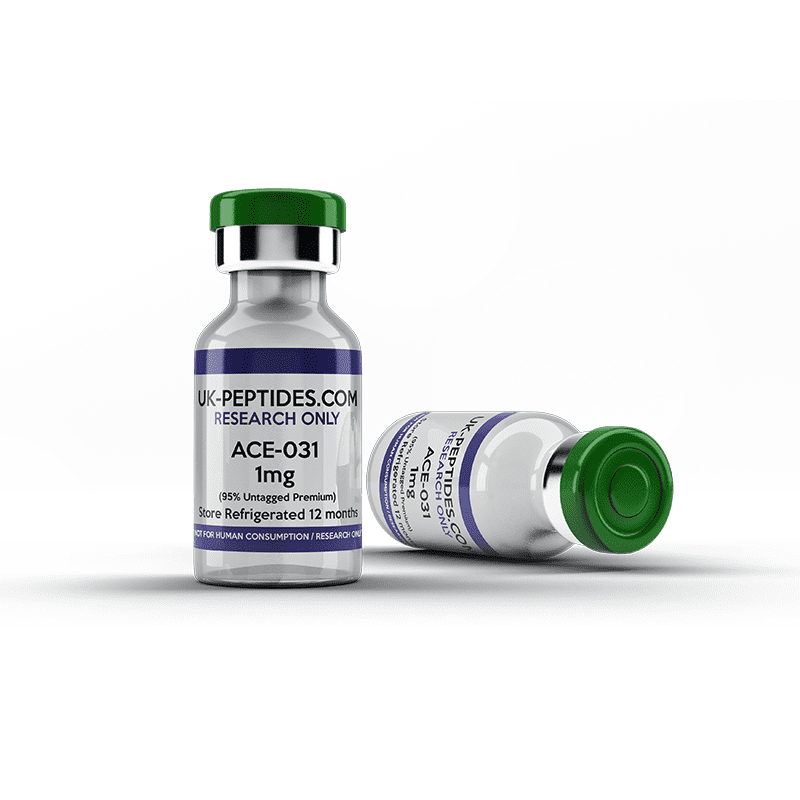
In recent years, the popularity of peptides has surged, driven by their potential benefits in areas such as fitness, recovery, and anti-aging. However, the growing demand has also led to an influx of counterfeit products, making it crucial for consumers to understand how to navigate the online landscape safely. This article provides a comprehensive guide for buying authentic peptides in the UK, covering essential aspects such as identifying reputable vendors, verifying product quality, and understanding the legal framework surrounding peptide purchases. By equipping yourself with the right knowledge, you can make informed decisions and ensure you are purchasing genuine products that meet your needs.
Understanding Peptides: What You Need to Know
Definition and Types of Peptides
Peptides are short chains of amino acids, the building blocks of proteins. Think of them as the little cousins of proteins—smaller, but still packed with potential! There are various types, including signal peptides, carrier peptides, and enzyme peptides, each serving unique roles in your body. From muscle recovery to anti-aging, these tiny chains can have some big effects!
Common Uses and Benefits
Peptides have a wide array of applications, both in the medical and fitness realms. Athletes often use them to enhance recovery, promote muscle growth, and even boost endurance. Meanwhile, in the skincare industry, certain peptides work wonders by stimulating collagen production, helping you chase that youthful glow. So, whether you’re looking to up your gym game or simply want to keep those wrinkles at bay, peptides have got your back!
The Importance of Authenticity in Peptide Purchases
Risks of Buying Counterfeit Peptides
Buying counterfeit peptides is like ordering a gourmet meal only to get a soggy sandwich instead—disappointing and potentially harmful! Counterfeit peptides can lead to ineffective results or, worse, dangerous side effects. The lack of regulation means you might not be getting what you paid for; those “magic” peptides could be anything but magical. Save yourself a headache (and some cash) by sticking to the real deal.
Indicators of Authentic Peptides
Authentic peptides have some telltale signs. Look for transparency in sourcing, clear labeling of ingredients, and comprehensive certificates of analysis. If a vendor is less than forthcoming about where their peptides come from, it’s best to run for the hills (or at least run to another website). Also, check for third-party testing; if they have it, you can rest easy knowing you’re getting quality stuff!
Key Factors to Consider When Buying Peptides Online
Source and Manufacturer Reputation
Before clicking that “Add to Cart” button, do some sleuthing! Research the vendor’s reputation. Look for established manufacturers with a history of reliable products. If the source looks sketchy, chances are the peptides will be too. Trustworthy vendors often have glowing reviews and a solid presence in the peptide community—check forums, social media, and even Reddit for insights!
Product Lab Testing and Certification
Legitimate peptides will come with lab testing results that verify their potency and purity. Look for products that are backed by third-party certifications; this means that an unbiased party has verified that what’s in the bottle matches what’s on the label. If a product is devoid of such testing, it’s time to ponder whether it’s worth the risk.
Customer Reviews and Testimonials
Don’t underestimate the power of the customer! Reviews can be the golden ticket to knowing if a product is worth your money. Aim for a vendor that showcases honest reviews—both the rave and the not-so-great. A large number of positive testimonials usually indicates a reliable product, but beware of overly curated comments that resemble a PR campaign. Genuine feedback can provide invaluable insight into a product’s effectiveness.
Top UK Vendors for Authentic Peptides
Established Online Retailers
When searching for authentic peptides, some established online retailers always make it to the top of the list. These vendors have built a reputation over years of service and quality, often with a wide selection of products to choose from. They’re easy to find and generally offer competitive pricing, ensuring you get value for your money without compromising on authenticity.
Specialized Peptide Suppliers
Beyond general retailers, there are specialized peptide suppliers that focus solely on all things peptides. These are the savvy scientists and health enthusiasts who understand the market inside and out. They often provide more detailed product descriptions and lab results, catering specifically to those looking for quality over quantity. If you’re into peptides, these suppliers should be your go-to!
Comparative Analysis of Vendor Offerings
Not all vendors are created equal, and that’s why a comparative analysis can be your best friend! Look at things like pricing, product variety, shipping options, and customer service. Create a little pros and cons list if you have to; it’s like dating but for peptides! A well-rounded comparison will help you find the vendor that ticks all your boxes and guarantees a smooth buying experience.
How to Verify the Quality of Peptides
Understanding Certificates of Analysis (CoA)
When diving into the world of peptides, a Certificate of Analysis (CoA) is your golden ticket. This document is like the report card for your peptide—detailing its purity, potency, and general quality. A reliable supplier should provide a CoA for every batch of peptides. Look for key details like the testing method, batch number, and expiration date. If the CoA is missing or seems off, it’s time to walk away. No one likes a slacker!
Third-Party Testing and Verification
Next up, third-party testing. Think of it as a referee in your peptide purchasing game. A reputable supplier will send samples of their peptides to independent labs for testing, ensuring that what you see on the label is actually what you get. Research the third-party lab—are they credible? What’s their track record? If they’re well-regarded in the industry, you can feel a bit safer in making your purchase. Transparency is key, folks!
Legal Considerations for Purchasing Peptides in the UK
Current Regulations and Legislation
Before you hit that “buy” button, it’s crucial to understand the lay of the land when it comes to peptide legality in the UK. As of now, many peptides are considered research chemicals and can be legally purchased for personal use. However, some are classified as controlled substances, so it’s essential to stay informed about current legislation. Skimming the law might sound boring, but trust me, it’s better than an unexpected knock on your door!
Import Restrictions and Compliance
If you’re considering importing peptides, buckle up—compliance is the name of the game. The UK Border Force has specific guidelines, and while some peptides may slip through the cracks, others could land you in hot water. Familiarize yourself with the customs regulations to avoid confiscation or, worse, legal issues. A bit of homework now can save you from a major headache later!
Tips for Safe Online Shopping
Secure Payment Methods
When it comes to paying for your peptides, never skimp on security. Use payment methods that offer buyer protection, like credit cards or reputable e-wallets. Avoid wire transfers or services like PayPal that don’t offer much in terms of fraud protection. Remember, if it sounds sketchy, it probably is. Your hard-earned money deserves a safe journey!
Recognizing Red Flags in Online Transactions
Keep your eyes peeled for red flags while shopping online. If a site is poorly designed, has broken links, or lacks contact information, consider it a sign to hit the exit. Also, if prices seem too good to be true (I’m talking “buy-a-new-car” good), it’s likely a trap. Trust your instincts—if something feels off, it probably is!
Conclusion: Making Informed Choices in Peptide Purchases
Recap of Key Points
To wrap it up, remember that purchasing peptides online is a task that requires due diligence. Verify the quality through CoAs and third-party testing, stay informed about the legal landscape, opt for secure payment methods, and keep an eye out for red flags. Knowledge is power, after all!
Encouragement for Responsible Use and Research
Last but definitely not least, use your newfound powers responsibly! Do your research, understand the effects of the peptides you’re interested in, and consult professionals if needed. Your health and safety are paramount, so make informed choices and elevate your peptide game with confidence! Happy shopping!In conclusion, purchasing authentic peptides online in the UK requires careful consideration and due diligence. By understanding the importance of authenticity, evaluating vendors, and being aware of legal regulations, you can make informed choices that support your health and wellness goals. Remember to prioritize quality over cost, and always conduct thorough research before making a purchase. With the right approach, you can confidently navigate the peptide market and achieve the benefits you seek.
FAQs
What are peptides and how do they work?
Peptides are short chains of amino acids that play various roles in the body, including hormone regulation and muscle repair. They work by signaling pathways in the body to promote specific biological functions, such as enhancing muscle growth or improving recovery times.
Are peptides legal to buy in the UK?
The legality of purchasing peptides in the UK varies depending on the specific peptide and its intended use. While many research peptides can be legally bought for personal use, it is important to check the regulations regarding each peptide type to ensure compliance with UK law.
How can I identify a reputable peptide vendor?
To identify a reputable peptide vendor, look for established companies with positive customer reviews, transparent lab testing results, and certifications of analysis (CoA) for their products. Additionally, check their return policy and customer service responsiveness.
What should I do if I receive a product that seems counterfeit?
If you suspect that you have received a counterfeit product, you should stop using it immediately and contact the vendor for clarification. Additionally, report the issue to relevant health authorities or consumer protection agencies, as this can help prevent others from falling victim to counterfeit products.
No Responses