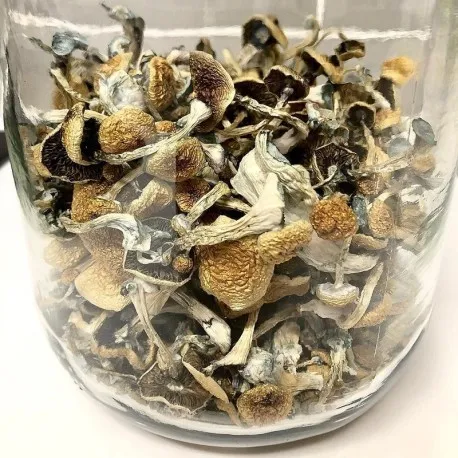
Infographic: How Psilocybin Works in the Brain
Psilocybin mushrooms—often called “magic mushrooms”—have fascinated scientists and wellness enthusiasts for decades. Recent research into psychedelic therapy has renewed interest in how psilocybin interacts with the human brain and why it produces such profound changes in perception, mood, and cognition.
In this article, we break down the science behind psilocybin in a simple, visual-friendly way. Below you’ll find a step-by-step explanation that mirrors what an infographic would show—illustrating how psilocybin moves through the body and affects brain function.
What Is Psilocybin?
Psilocybin is a naturally occurring psychedelic compound found in certain species of mushrooms. Once ingested, the body converts psilocybin into psilocin, the compound responsible for its psychoactive effects.
Researchers have studied psilocybin for its potential effects on mental health, including its ability to influence mood, perception, and neural connectivity.
Step 1: Ingestion and Digestion
The process begins when psilocybin mushrooms are consumed.
After ingestion:
- Psilocybin enters the digestive system.
- Enzymes in the stomach and liver convert psilocybin into psilocin.
- Psilocin then enters the bloodstream.
This conversion usually begins within 20–40 minutes, which is why users typically start feeling effects within this timeframe.
Step 2: Crossing the Blood–Brain Barrier
Once in the bloodstream, psilocin travels to the brain.
The compound easily crosses the blood–brain barrier, a protective membrane that prevents many substances from entering the brain.
Because psilocin closely resembles the neurotransmitter serotonin, the brain allows it to interact with serotonin receptors.
Step 3: Activation of Serotonin Receptors
Psilocin primarily interacts with 5-HT2A serotonin receptors, which are found throughout the brain.
These receptors influence:
- Mood
- Cognition
- Perception
- Sense of self
When psilocin activates these receptors, it changes how neurons communicate with each other. This altered signaling is responsible for many of the characteristic psychedelic effects.
Step 4: Increased Brain Connectivity
One of the most fascinating discoveries in psychedelic neuroscience is how psilocybin changes brain network activity.
Studies using brain imaging have shown that psilocybin can:
- Increase communication between brain regions that normally do not interact
- Reduce rigid patterns of neural activity
- Encourage more flexible brain connectivity
This temporary rewiring may explain why some people report new perspectives, emotional breakthroughs, or creative insights during psychedelic experiences.
Step 5: Effects on the Default Mode Network
The Default Mode Network (DMN) is a group of brain regions linked to self-reflection, rumination, and ego identity.
Psilocybin temporarily reduces activity in the DMN.
When this happens, people may experience:
- A reduced sense of ego
- Increased feelings of unity or connectedness
- Changes in self-perception
Researchers believe this effect may play a role in the compound’s potential therapeutic benefits.
Step 6: The Experience and Aftereffects
The psychedelic experience typically lasts 4–6 hours, depending on dosage and individual physiology.
Common reported effects include:
- Altered perception of colors and patterns
- Heightened emotions
- Enhanced introspection
- A shift in perspective or thinking patterns
After the experience ends, psilocin is metabolized and cleared from the body.
Some users report lasting changes in mood, outlook, or personal insight following the experience.
Why Scientists Are Studying Psilocybin
In recent years, research institutions have revisited psychedelic compounds as potential tools in mental health treatment.
Clinical studies are exploring psilocybin’s potential role in addressing conditions such as:
- Depression
- Anxiety
- PTSD
- Addiction
While early results are promising, more research is needed to fully understand its therapeutic potential and safety profile.
Final Thoughts
Psilocybin works by temporarily changing how the brain communicates within itself. By activating serotonin receptors and altering neural networks, it creates a unique state of consciousness that scientists are only beginning to understand.
As research continues, the neuroscience behind psilocybin may reveal new insights into mental health, perception, and the flexibility of the human brain.
Want to learn more about psilocybin mushrooms and related products?
Explore our collection at: https://magicmushroomery.com/shop/
No Responses