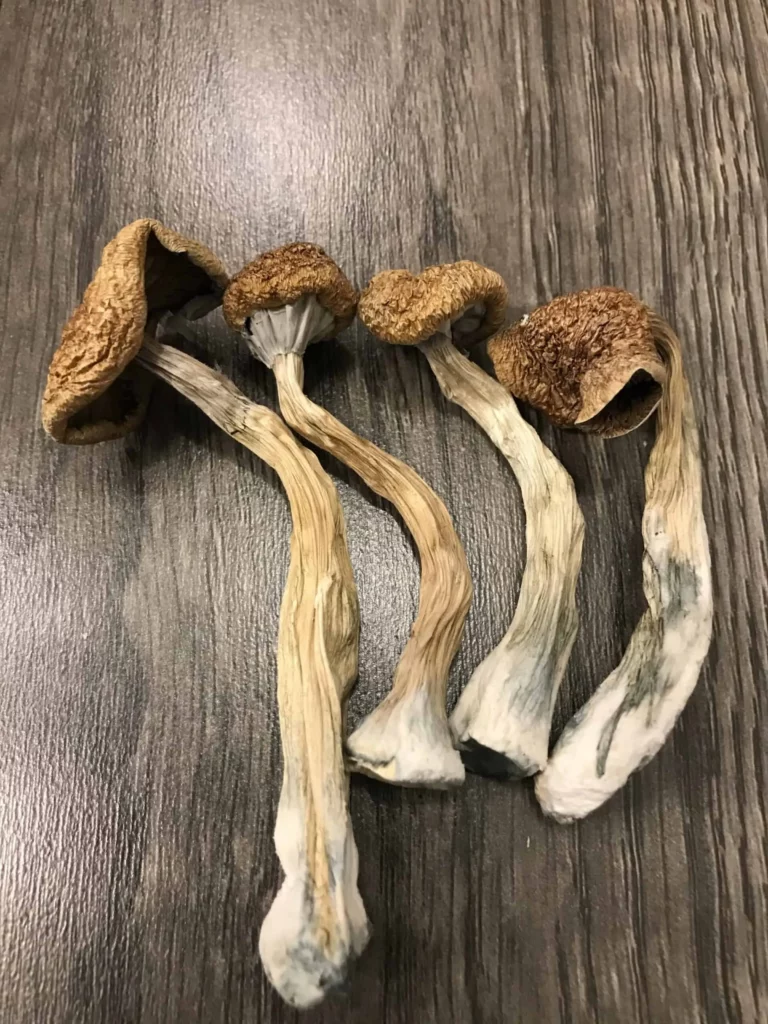
A Step-by-Step Guide to Finding Local Magic Mushroom Information Online
Searching online for information about magic mushrooms can be confusing. Search results may include specialist websites, discussion forums, product pages, social media posts, and advertisements. Not every source is reliable, and legal rules can vary significantly between countries.
This guide explains how to research the subject responsibly and safely.
1. Start by Checking Your Local Laws
The first step should always be checking the legal status of psilocybin and psilocybin-containing mushrooms where you live.
Do not assume that a website selling a product means the product is legal. An online seller can operate from another country while the buyer remains subject to local laws.
Always check current government or official legal sources before proceeding.
2. Search for Information, Not Just Sellers
A useful online search should begin with educational information.
Instead of immediately searching for a shop, look for topics such as:
- Magic mushroom laws in your country
- Psilocybin regulations
- Current controlled-drug legislation
- Mushroom identification and safety
- Legal culinary mushroom shops
- Mushroom cultivation laws
- Clinical research involving psilocybin
This approach can help you understand the subject before relying on commercial claims.
3. Check Who Operates the Website
When you find a mushroom-related website, investigate who is behind it.
Look for:
- A genuine business name
- Clear contact information
- Terms and conditions
- Privacy information
- Company registration details where applicable
- Transparent information about products
- Clear explanations of applicable laws
Be cautious when a website has no identifiable operator or only provides anonymous messaging contacts.
4. Be Careful With Legal Claims
Some websites use phrases such as “legal everywhere,” “100% legal,” or “customs guaranteed.”
Such claims should not automatically be trusted.
Drug laws can depend on the substance, preparation, destination, quantity, and jurisdiction. A product described as legal by a seller may still be restricted in the buyer’s country.
For this reason, verify important legal claims through official government sources rather than relying exclusively on a retailer.
5. Understand the Difference Between Mushroom Products
The phrase “mushroom shop” can describe very different businesses.
Some websites sell ordinary culinary mushrooms such as:
- Lion’s mane
- Oyster mushrooms
- Shiitake
- Reishi products
- Chaga products
- Dried culinary mushrooms
- Mushroom-growing supplies
Other websites discuss psychoactive mushrooms containing controlled substances.
These categories should not be treated as interchangeable. Always identify exactly what a website is referring to before making a decision.
6. Look for Reliable Health Information
Online discussions about psilocybin can contain exaggerated claims about mental health, pain, anxiety, depression, or other conditions.
Do not treat testimonials as medical evidence.
If you are researching potential therapeutic applications, look for information from recognised medical institutions, government agencies, universities, or peer-reviewed research.
Avoid websites that promise guaranteed medical results or encourage people to replace prescribed treatment without speaking with a qualified healthcare professional.
7. Watch for Online Scams
Mushroom-related searches can also expose users to fraudulent websites.
Warning signs may include:
- Pressure to pay immediately
- Requests for cryptocurrency without normal business information
- Unusual payment instructions
- Promises of guaranteed delivery
- Requests for additional “release,” “insurance,” or “customs” payments
- No verifiable business identity
- Fake-looking reviews
- Claims that laws do not apply to the seller
- Repeated requests for additional money after an order
A professional-looking website is not proof that a business is legitimate.
8. Consider Legal Alternatives
If your interest is primarily in mushrooms, there are many legal categories to explore.
For culinary purposes, you can research local suppliers of edible mushrooms, mushroom-growing kits, cooking ingredients, and specialist fungi.
For scientific interest, you can explore published research into psilocybin and other compounds without purchasing controlled substances.
For general wellness interests, remember that mushroom supplements and functional mushrooms are not automatically equivalent to psychedelic mushrooms, and health claims should be evaluated carefully.
9. Keep Your Research Current
Drug legislation can change. Search results may also contain outdated articles that no longer accurately describe the law.
Before relying on information, check:
- When the page was published.
- When it was last updated.
- Whether it cites an official source.
- Whether the information applies to your country.
- Whether the law has changed since publication.
This is especially important for searches involving the UK, where controlled-drug legislation applies to magic mushrooms.
10. Make Safety and Legality the Priority
Finding information online is easy. Finding information you can actually trust requires more care.
Before interacting with any mushroom-related website, establish what product or subject it concerns, verify the applicable law, investigate the source, and avoid unsupported health or legal claims.
If a website encourages you to ignore local laws or promises guaranteed delivery of a controlled substance, treat that as a major warning sign.
Final Thoughts
Searching for “magic mushroom shops online” can produce a mixture of educational resources, legitimate mushroom businesses, questionable sellers, and potentially illegal marketplaces.
A better approach is to start with reliable information. Check the law in your location, understand the difference between culinary and psychoactive mushrooms, verify health claims, and investigate websites carefully.
For readers interested in mushrooms generally, Magic Mushroomery can be used as a starting point for mushroom-related educational content, while local laws and official government guidance should always take priority for legal questions.
No Responses