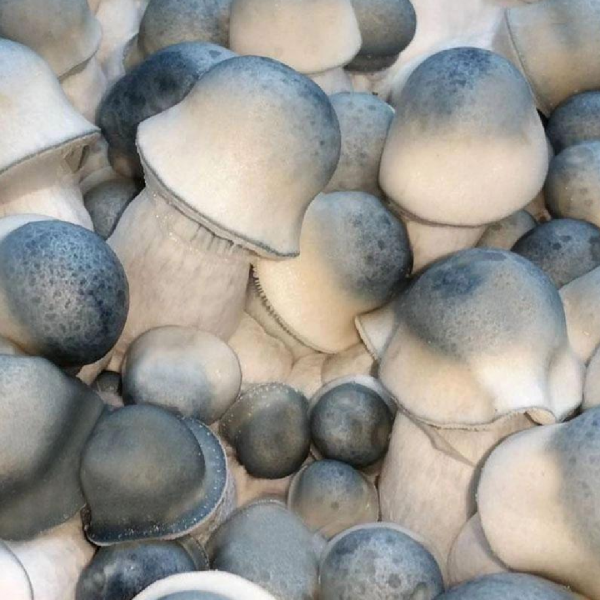
Overview of Magic Mushrooms
Definition and Characteristics
History of Use in Scotland
Legal Status of Magic Mushrooms in Scotland
Current Legislation and Regulations
Comparison with Other Countries
When it comes to legal status, Scotland isn’t winning any prizes. Countries like the Netherlands have embraced a more lenient approach, allowing certain forms of psilocybin mushrooms to be sold in “smart shops.” Meanwhile, the US is diving headfirst into psilocybin therapy for mental health issues in states like Oregon. So, while Scots might have to keep their foraging adventures under wraps for now, the tide of change is slowly trickling in from other parts of the globe—and who knows what the future will hold?
Popular Locations for Foraging
National Parks and Nature Reserves
Scotland’s breathtaking landscapes are not just a treat for the eyes; they also provide a lush playground for foraging enthusiasts. National parks like the Cairngorms and Loch Lomond & The Trossachs are renowned for their diverse ecosystems, offering a habitat for a variety of fungi, including magic mushrooms. Picture yourself wandering through misty woodlands, surrounded by ancient trees, as you embark on a scavenger hunt worthy of legends. Just remember to tread lightly and leave no trace—nature’s magic is best appreciated by all.
Community-Recommended Hotspots
While the secretive nature of mushroom foraging may evoke images of clandestine meetings in dimly lit cafes, many community enthusiasts are more than happy to share their wisdom. Online forums and local foraging groups often reveal hidden gems across Scotland where mushrooms flourish, from roadside woods to unsuspecting public parks. Just be sure to pack your curiosity (and a guidebook) to help distinguish between truly magical specimens and those that might not be so friendly. Sharing knowledge is part of the fun—just like discovering that one friend who has a knack for finding the best local spots.
Seasonal Considerations for Mushroom Hunting
Best Times of Year
Mushroom hunting in Scotland is like planning the perfect picnic—it requires a little bit of timing and a dash of luck! The best months for foraging magic mushrooms typically fall between late summer and early autumn (think August through October). During this time, the moist air and mild temperatures create optimal conditions for fungi to flourish. So grab your basket and your sense of adventure, because the mycelium is calling!
Weather Conditions Impacting Foraging
Scotland’s famously unpredictable weather can be both a friend and a foe when it comes to mushroom foraging. A good rainfall followed by mild sunshine is like a magic spell for mushrooms, coaxing them out from their hiding places. Conversely, prolonged dry spells may have them playing hard to get. Always check the forecast before heading out—damp, overcast days can lead to bountiful finds, while sunny days might just leave you with a sunburn and a basket full of disappointment. The lesson here? Embrace the rain—after all, it’s what makes the Scottish countryside so lush and green!
Safety Tips for Foraging Magic Mushrooms
Identifying Edible vs. Toxic Species
When it comes to magic mushrooms, knowing your Psilocybe from your poisonous imposters is crucial. Edible species like Psilocybe Semilanceata (Liberty Caps) are often confused with lookalikes like the deadly Cortinarius species. Look for the telltale signs: Liberty Caps are small, usually less than 10 cm tall, feature a conical to bell-shaped cap, and have a distinctive curve at the top. Always consult a reliable guidebook or app before embarking on your mushroom adventure, because in foraging, it’s better safe than sorry!
First Aid for Mushroom Poisoning
If your mushroom foraging turns into an unfortunate mix-up, knowing what to do can save the day—or at least make the rest of the day a bit less dramatic. First, stay calm (which can be hard, I know). If you suspect mushroom poisoning, call emergency services immediately. Do not induce vomiting unless instructed by a medical professional, as some mushrooms can cause more harm that way. Meanwhile, collect a sample of the suspected mushroom, and keep it for identification. Remember, it’s always better to err on the side of caution. No one wants a surprise trip to the ER on a fun fungus hunt!
Identifying Common Species in Scotland
Psilocybe Semilanceata (Liberty Caps)
Ah, the iconic Liberty Cap. This little beauty is a favorite among foragers for its well-known psychedelic properties. Found in grassy meadows and pastures, these mushrooms have a distinctive pointed cap that can range from a lovely golden brown to a more muted shade depending on the weather. The key features to spot are their slender, tall stems and a slight blue bruising when handled. Remember, it’s not just a cap—it’s a cap with a magical twist!
Psilocybe Cyanescens (Wavy Caps)
Next up, the Wavy Cap—an absolute showstopper in the fungal world. These creatures thrive in wood chip beds and garden mulch, making them easy to spot if you’re wandering around a park or forested area. As their name suggests, their caps have a wavy edge, typically ranging from caramel to deep brown. They’re a bit more robust than Liberty Caps, which may appeal to those looking for a more substantial foraging experience. Just make sure to bow down in reverence when you find them!
Conservation and Responsible Foraging Practices
Impact of Foraging on Local Ecosystems
Foraging sounds like a whimsical activity—who wouldn’t want to roam around collecting nature’s goodies? However, it’s vital to recognize the impact we can have on local ecosystems. Over-foraging can disrupt the delicate balance of habitats, potentially leading to a decline in mushroom populations. It’s like taking all the cookies from the jar; eventually, there won’t be any left for anyone! Let’s respect Mother Nature by foraging sustainably and with care.
Best Practices for Sustainable Foraging
Sustainable foraging isn’t just a buzzword; it’s a way of life for the responsible forager. Stick to the rule of thumb: only take what you need. It’s best to leave a good number of mushrooms behind to ensure they can spore and flourish for the next crop. Avoid trampling sensitive areas, and consider using scissors instead of pulling mushrooms up by the root, which can damage the surrounding environment. And always remember—what you take from the land should be honored, not wasted. Treat your foraging like a dinner date, not a buffet!
Resources for Enthusiasts and Foragers
Books and Guides
When diving into the world of foraging, it pays to be prepared—and books are your trusty sidekicks! Seek out titles like “Mushrooms Demystified” by David Arora or “The Complete Mushroom Hunter” by Gary Lincoff. These guides not only provide valuable identification tips but also sprinkle in some mushroom lore to keep you entertained. Plus, they make great conversation starters at dinner parties (you’d be surprised how many folks find fungi fascinating!).
Online Communities and Forums
In the age of technology, you’re never alone on your foraging journey! Online communities like Reddit’s r/mycology or dedicated Facebook groups are bursting with enthusiastic mushroom hunters ready to share tips, photos, and maybe even a few horror stories from their own foraging adventures. Just remember, while the internet is a treasure trove of information, don’t use it as a replacement for good old-fashioned field guides. Happy foraging, you fungi fanatic!In conclusion, foraging for magic mushrooms in Scotland can be a rewarding and enlightening experience, but it comes with responsibilities. By understanding the local regulations, practicing safety measures, and respecting the environment, enthusiasts can enjoy the beauty of these unique fungi while contributing to their preservation. Whether you’re a novice or an experienced forager, the natural landscapes of Scotland offer a wealth of opportunities to explore and appreciate the wonders of magic mushrooms.
Frequently Asked Questions
1. Are magic mushrooms legal to forage in Scotland?
Magic mushrooms are classified as controlled substances in the UK, making it illegal to possess, sell, or distribute them. However, foraging for them in the wild is a grey area due to the lack of specific laws against picking them, though the legal implications can be complex.
2. How can I identify magic mushrooms while foraging?
Identifying magic mushrooms requires knowledge of specific characteristics such as cap shape, color, and spore print. It’s essential to consult reliable guides or connect with experienced foragers to accurately differentiate edible species from toxic ones.
3. When is the best time to go mushroom foraging in Scotland?
The best time for foraging magic mushrooms in Scotland is typically from late summer to early autumn, with peak conditions often occurring from September to November, depending on weather conditions.
4. What should I do if I accidentally consume a toxic mushroom?
If you suspect you have ingested a toxic mushroom, seek medical attention immediately. It’s important to inform healthcare professionals about the specific mushroom consumed, if known, to ensure appropriate treatment.
No Responses