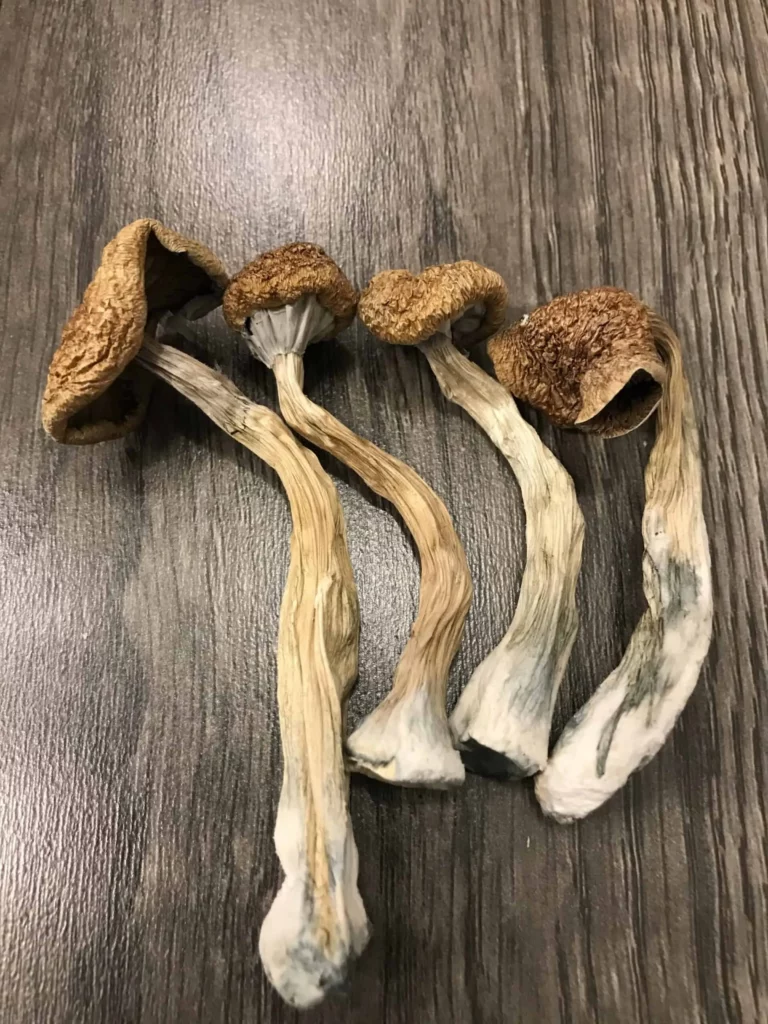
Magic mushrooms, known for their psychoactive properties, have garnered increasing attention in the UK as interest in their potential therapeutic benefits grows. These fungi, primarily containing the compound psilocybin, have a rich history intertwined with cultural practices and modern exploration of consciousness. However, their legal status remains complex, often leading to confusion about their use and effects. As research expands into the realms of mental health, understanding both the risks and potential benefits of magic mushrooms is more important than ever. This article delves into the various aspects of magic mushrooms in the UK, from their historical significance to their current legal status and the experiences of those who have consumed them.
Overview of Magic Mushrooms in the UK
Definition and Composition
Magic mushrooms, also known as psilocybin mushrooms, are fungi that contain the psychoactive compounds psilocybin and psilocin. When ingested, these compounds interact with serotonin receptors in the brain, leading to altered perceptions, mood changes, and occasionally deep philosophical insights (or uncontrollable giggles). In the UK, these mushrooms have attracted attention for their potential therapeutic benefits, as well as for their more recreational uses.
Common Species Found
The UK is home to several species of magic mushrooms, with two of the most famous being Liberty Caps (Psilocybe semilanceata) and Wavy Caps (Psilocybe cyanescens). Liberty Caps are usually found in grasslands, appearing as small, conical mushrooms with a distinct ‘liberty cap’ shape. Wavy Caps, on the other hand, thrive in woodchip mulch and have a, well, wavy appearance. Both are revered by foragers and fungophiles alike, but be careful—mistaking them for their non-psychedelic counterparts can result in a rather unexciting evening.
Legal Status and Regulations
Current Laws Regarding Magic Mushrooms
In the UK, magic mushrooms are classified as a Class A drug under the Misuse of Drugs Act 1971. This means that possession, sale, and distribution can lead to hefty penalties, including up to seven years in prison for possession. This has led many enthusiasts to seek their magic elsewhere, often in the wild or through underground channels, creating a sort of ‘mushroom black market’ that’s as murky as a fog-filled forest.
Recent Legal Developments
While the legal landscape for magic mushrooms remains largely unchanged, there have been ongoing discussions around their therapeutic potential, particularly in the context of mental health treatments. Some advocacy groups have been pushing for reform, emphasizing the need for controlled medical use. Who knows? Maybe one day there will be a prescription for a ‘mushroom remedy’—though we wouldn’t recommend trying to convince your GP just yet.
Comparative Legal Status in Other Countries
Interestingly, the legal status of magic mushrooms varies vastly across the globe. In places like the Netherlands and Jamaica, they can be purchased and consumed legally, often found in charming little shops or cozy cafes. Meanwhile, in Canada, there’s been a push to allow psilocybin for therapeutic use, indicating a shift in perception that the UK may follow one day. It seems that in some corners of the world, magic mushrooms are getting the warm welcome they deserve, while in the UK, they remain somewhat of a wallflower at the party.
History and Cultural Significance
Traditional Use in Indigenous Cultures
Magic mushrooms have been utilized in spiritual and healing rituals for centuries, particularly by indigenous cultures across the globe. These communities have long recognized the potential of psilocybin to foster connection with the divine or facilitate deep self-reflection. From Native American shamans to the Mazatec people of Mexico, the use of magic mushrooms has been steeped in tradition and reverence—quite a far cry from the casual afternoon foray most people engage in today.
Modern Resurgence in Popularity
In recent years, there has been a notable resurgence of interest in magic mushrooms, largely due to a growing body of research highlighting their potential benefits for treating conditions like depression, anxiety, and PTSD. With a wave of new studies emerging, the ‘shroom renaissance’ has also sparked various psychedelic retreats and microdosing trends, leading to a new generation of mushroom enthusiasts who are both curious and hopeful about their benefits.
Historical Misconceptions and Stigma
Despite their ancient roots in medicinal and spiritual practices, magic mushrooms have suffered from a fair share of misconceptions and stigma. Often portrayed as dangerous or linked to counterculture movements in the 60s and 70s, these fungi have been unfairly lumped into the ‘just say no’ narrative. However, as science begins to unpack their potential and people learn more about their history, the hope is that attitudes will shift, allowing for a more nuanced understanding of these fascinating fungi.
Types of Magic Mushrooms Found in the UK
Psilocybe semilanceata (Liberty Caps)
Liberty Caps, or Psilocybe semilanceata, are the poster children of UK magic mushrooms. These petite little guys, typically found in damp grasslands, carry a potent punch with their high concentrations of psilocybin. With a characteristic pointy cap and slender stem, they’re easily identifiable once you know what you’re looking for. Just remember: with great power comes great responsibility—know the law and the risks involved before you go foraging!
Psilocybe cyanescens (Wavy Caps)
Wavy Caps, or Psilocybe cyanescens, are another sought-after species found in the UK, particularly in woodchip mulch areas. Their inimitable wavy caps make them hard to miss—though you’d still want to double-check your field guide before tasting the wild side. These mushrooms are known for their potency, which can make them quite the experience for those who partake. Just keep in mind that when foraging, it’s essential to distinguish them from other lookalikes!
Identification and Foraging Tips
For those considering mushroom foraging, identification is key! Always carry a reliable field guide or join a local mycology group to learn the ropes. Pay attention to habitat, cap shape, and color, as well as spore print characteristics. Remember, some mushrooms are not only unmagical but potentially deadly! If you’re not 100% sure about your find, leave it be. After all, there’s nothing worse than a magical adventure that ends with a trip to the hospital. Happy foraging!
Effects and Risks of Consumption
Short-Term Psychological Effects
Magic mushrooms, primarily due to their active compound psilocybin, can lead to a wild ride in the mind’s amusement park. Users often report a kaleidoscope of visual and auditory hallucinations, heightened emotions, and a sense of connection with the universe—think wearing glasses that are just a bit too colorful. However, not every trip is a pleasant one; some users may experience anxiety, paranoia, or a feeling of losing control. So, while you might feel like a mystical sage, you could also find yourself questioning the existence of your shoes.
Potential Health Risks and Side Effects
While the idea of encountering a giant mushroom with a top hat sounds whimsical, the reality can be a bit less charming. Consumption can lead to nausea, vomiting, and other gastrointestinal shenanigans. Plus, for those with a predisposition to mental health issues, there’s a risk of triggering psychosis or exacerbating conditions like anxiety or depression. Always remember: a magical experience should never take you to the land of unmanageable stress.
Factors Influencing Individual Reactions
Not everyone approaches a magic mushroom journey with the same vibe. Factors such as individual mental health status, past experiences with psychedelics, and even the day of the week can influence how one reacts. Plus, let’s not forget the importance of set and setting—your mindset and environment matter. Feeling anxious in a crowded room? That mushroom trip might feel more like a terrifying dance with existential dread than a fun-filled frolic in the meadow.
Therapeutic Potential and Research
Recent Studies on Psilocybin
Psychologists and researchers are dusting off their lab coats and looking at magic mushrooms with serious intent, and for good reason. Recent studies have found that psilocybin can significantly alleviate symptoms of depression, anxiety, and PTSD—often with results lasting long after the trip has ended. It’s like the little fungi that could, challenging traditional mental health treatments with its potent therapeutic effects.
Applications in Mental Health Treatment
As the stigma surrounding psychedelics fades like a poorly made haircut, therapists are increasingly integrating psilocybin into treatment plans. It offers a unique avenue for confronting trauma, with many patients reporting profound breakthroughs and emotional clarity during sessions. Imagine having an emotional chat with your inner self while also feeling like you’re floating on a cloud of glitter—that’s the potential magic mushrooms bring to the mental health table.
Future Research Directions
The future looks promising for psilocybin research, with ongoing studies exploring the boundaries of its therapeutic uses. We’re talking about potential advancements in tailored treatments, longer-lasting effects, and even combinations with other therapies. Researchers are diving deeper into understanding the mechanisms behind psilocybin’s effects—so who knows? One day you might be reading a prescription that sounds more like a spell than a medication.
Personal Experiences and Anecdotes
User Testimonials
Every magic mushroom enthusiast has a story, often filled with laughter, tears, and some very questionable fashion choices. Users frequently share tales of enlightenment, connection with nature, and the occasional existential crisis—because who doesn’t want a side of deep philosophical pondering with their fun? Testimonials can range from life-changing revelations to forgetting where you left your keys for three hours.
Impact on Personal Growth and Insight
Many people report that their journeys with magic mushrooms have led to significant personal growth. Whether it’s gaining a fresh perspective on life, mending relationships, or simply feeling more connected to humanity, the transformative potential is hard to ignore. It’s like hitting the reset button on your psyche—only this time, you’re not just binge-watching your favorite series, but rather contemplating the universe while snuggled up in a pile of soft blankets.
Common Themes in Experiences
While each journey is unique, users often describe common themes: feelings of connectedness, revelations about personal struggles, and a newfound appreciation for life. Many find themselves contemplating the meaning of existence while simultaneously connecting with nature on a level that would make Mother Earth shed a happy tear. It’s not just about the trip; it’s about the wisdom and insights that come along for the ride.
Responsible Use and Harm Reduction Strategies
Guidelines for Safe Consumption
If you’re considering a magical mushroom adventure, it’s crucial to do so responsibly. Start with a low dose, preferably in a safe and supportive environment. Surround yourself with trusted, experienced friends who can keep things from spiraling into a wild ride of anxiety. Remember: the goal isn’t just to get high; it’s about exploring and experiencing without losing your grasp on reality.
Understanding Dosage and Setting
Dosage makes all the difference between a whimsical stroll through a colorful forest and an overwhelming descent into chaotic thoughts. Start small, understand the potency of what you’re consuming, and carefully choose your setting. A calm, serene environment can enhance your experience, while a crowded nightclub might not be the best backdrop for your journey of self-discovery.
Resources for Support and Education
Knowledge is power! There are plenty of resources available to help you navigate the world of magic mushrooms. Books, documentaries, and online forums are great starting points. If you’re feeling overwhelmed or scared, don’t hesitate to reach out for support from experienced users or professionals. Just remember, every great adventure starts with a little bit of research and a sprinkle of caution!In conclusion, magic mushrooms present a fascinating intersection of nature, culture, and science in the UK. As attitudes shift and research into their therapeutic potential continues to grow, it is essential for individuals to approach their use with knowledge and caution. By understanding the legal landscape, the effects of these mushrooms, and the importance of responsible consumption, people can make informed decisions regarding their experiences. As the conversation around magic mushrooms evolves, ongoing education and awareness will play a crucial role in shaping their future in society.
Frequently Asked Questions (FAQ)
Are magic mushrooms legal in the UK?
As of now, magic mushrooms are classified as a Class A drug under the Misuse of Drugs Act 1971, making their possession, sale, and distribution illegal. However, there are ongoing discussions and legal challenges regarding their status.
What are the main effects of consuming magic mushrooms?
The primary effects of consuming magic mushrooms include altered perceptions, visual and auditory hallucinations, and changes in mood and thought processes. These effects can vary significantly based on the individual, the dosage, and the setting in which they are consumed.
Can magic mushrooms be harmful?
While many users report positive experiences, magic mushrooms can also pose risks, including anxiety, paranoia, and confusion, particularly in individuals with a history of mental health issues. It is crucial to approach their use with caution and awareness of potential effects.
Is there research on the therapeutic use of magic mushrooms?
Yes, recent studies have explored the potential therapeutic benefits of psilocybin, the active compound in magic mushrooms, particularly in treating conditions such as depression, anxiety, and PTSD. Ongoing research aims to better understand these benefits and establish safe treatment protocols.
No Responses