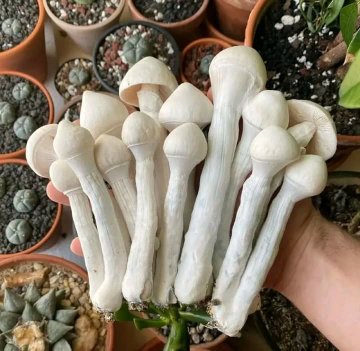
Psilocybin Research in the UK: Latest Scientific Findings
Psilocybin—the active compound found in magic mushrooms—is gaining renewed attention from scientists across the United Kingdom. Over the past decade, researchers have been exploring its potential to treat mental health disorders, addiction, and other psychological conditions.
Today, the UK has become one of the world’s leading centers for psychedelic research. Institutions such as Imperial College London and University College London (UCL) are running clinical trials that could reshape how we approach mental health treatment.
In this article, we explore the latest scientific findings on psilocybin research in the UK, what researchers have discovered, and what it could mean for the future of medicine.
The Rise of Psilocybin Research in the UK
For many years, psychedelic substances like psilocybin were largely ignored in scientific research due to strict drug regulations. However, interest began to grow again in the early 2000s when researchers started exploring the compound’s effects on the brain.
Today, the UK hosts several leading psychedelic research programs. One of the most influential is the Centre for Psychedelic Research at Imperial College London, which studies how psilocybin affects brain activity and mental health.
Researchers are particularly interested in how psilocybin interacts with serotonin receptors in the brain, which are strongly linked to mood, cognition, and emotional processing.
Early findings suggest that psilocybin may help “reset” certain brain networks that are associated with depression and anxiety.
Psilocybin and Depression Treatment
One of the most promising areas of psilocybin research in the UK is the treatment of major depressive disorder.
Clinical trials have shown that psilocybin-assisted therapy may produce significant improvements in people who do not respond to conventional antidepressants.
In several studies conducted in the UK, participants received controlled doses of psilocybin in a supervised therapeutic setting combined with psychological support. The results were encouraging, with many patients experiencing lasting reductions in depressive symptoms.
Scientists believe psilocybin may work by increasing brain plasticity, allowing patients to break out of rigid thought patterns often associated with depression.
Because of these results, psilocybin therapy is now being studied as a potential next-generation treatment for treatment-resistant depression.
New Research on Psilocybin and Addiction
Another groundbreaking study in the UK is exploring whether psilocybin could help people overcome addiction.
Researchers at Imperial College London launched a clinical trial investigating whether psilocybin-assisted therapy can help prevent relapse in people recovering from opioid addiction.
Participants in the trial receive psilocybin alongside professional psychological support and are monitored for several months afterward.
The goal is to determine whether the psychedelic experience can help reduce cravings and improve long‑term recovery outcomes.
Addiction specialists are particularly interested in this approach because relapse rates after detoxification can be extremely high. Scientists hope that psilocybin therapy could become a powerful new tool in addiction treatment.
Surprising Findings: Psilocybin and Sexual Well‑Being
Recent UK research has also explored how psychedelic experiences may influence sexual well-being and relationships.
A study involving nearly 300 participants found that people reported improvements in several aspects of sexual functioning after a psychedelic experience. These improvements included increased sexual satisfaction, better communication with partners, and greater body confidence.
Some participants said these benefits lasted for up to six months after the experience.
Researchers believe these changes may result from psilocybin’s ability to increase emotional openness and strengthen interpersonal connection.
Although the findings are still preliminary, they highlight the wide-ranging psychological effects of psychedelic therapy.
Psilocybin and Other Emerging Mental Health Applications
Beyond depression and addiction, UK researchers are investigating psilocybin’s potential for treating several other conditions, including:
- Obsessive‑compulsive disorder (OCD)
- Anxiety disorders
- Post‑traumatic stress disorder (PTSD)
- Substance use disorders
For example, a pharmacological challenge study reported reductions in symptoms among adults with OCD after receiving controlled doses of psilocybin.
While these results are promising, researchers emphasize that more large‑scale clinical trials are needed before psilocybin therapies become widely available.
Challenges and Legal Considerations
Despite growing scientific interest, psilocybin remains a Class A controlled substance in the UK. This classification makes research difficult because scientists must obtain special licenses and follow strict regulations.
Experts have also warned that unsupervised use of psychedelic substances outside clinical settings may carry risks, including anxiety or psychological distress.
For this reason, current clinical trials emphasize carefully controlled environments, professional guidance, and psychological support before, during, and after treatment sessions.
The Future of Psychedelic Medicine
Psilocybin research in the UK is advancing rapidly. With increasing clinical evidence and growing public interest, many experts believe psychedelic therapy could become an important part of future mental health treatment.
Organizations such as the Royal College of Psychiatrists have even suggested exploring controlled therapeutic access for patients with severe conditions who have not responded to existing treatments.
If ongoing studies continue to produce positive results, psilocybin-assisted therapy may eventually move from experimental trials into mainstream medicine.
Final Thoughts
The latest psilocybin research in the UK reveals a fascinating picture of a compound with significant therapeutic potential. From depression and addiction to relationship well-being, scientists are uncovering new ways that psychedelic compounds could transform mental health care.
However, research is still ongoing, and much remains to be learned about how these substances work and how they can be used safely.
As scientific understanding grows, interest in natural psychedelics continues to expand worldwide.
If you’re interested in learning more about mushrooms and related products, you can explore our collection at https://magicmushroomery.com/shop/.
No Responses