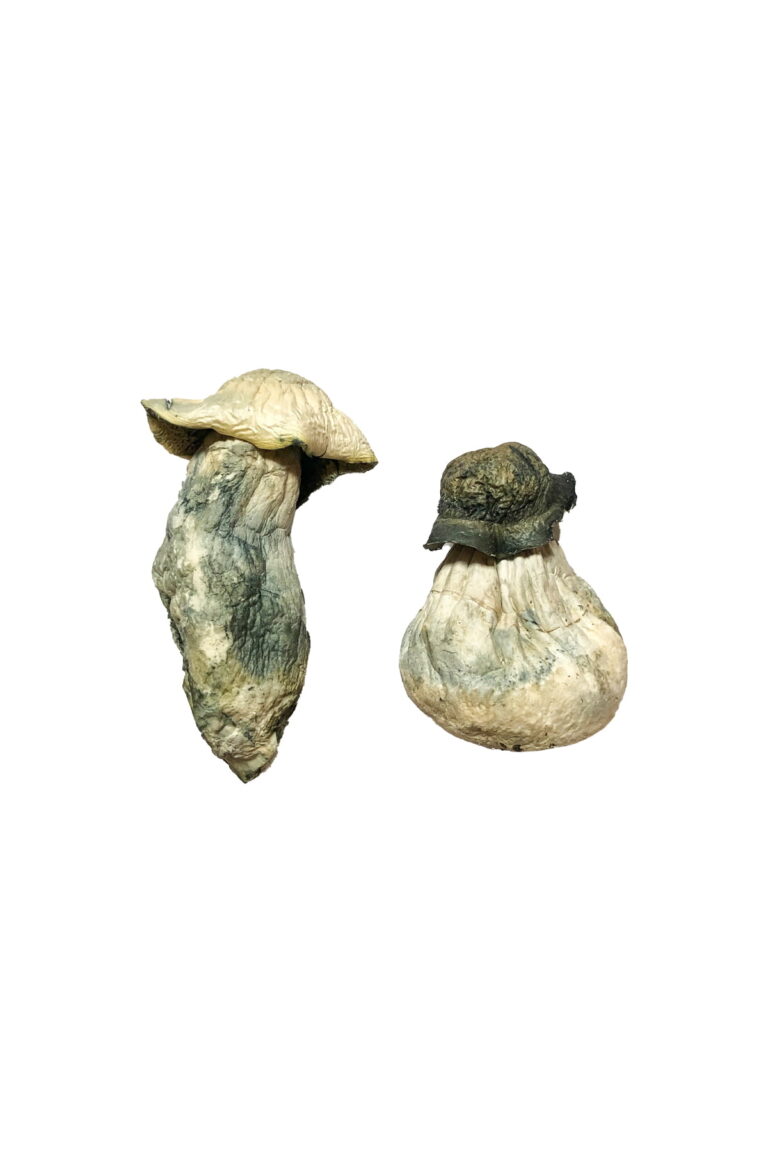
Psilocybin Safety Guide: What Researchers and Doctors Say
Psilocybin—the naturally occurring psychedelic compound found in certain mushrooms—has become one of the most studied substances in modern mental‑health research. From clinical trials on depression to discussions about therapeutic microdosing, interest in psilocybin has grown rapidly.
But one question remains at the center of the conversation:
How safe is psilocybin?
In this guide, we explore what scientists, medical researchers, and clinical trials say about psilocybin safety, potential risks, and responsible use.
What Is Psilocybin?
Psilocybin is a naturally occurring psychedelic compound found in over 200 species of mushrooms commonly referred to as “magic mushrooms.”
Once ingested, psilocybin converts into psilocin, a compound that interacts with serotonin receptors in the brain—particularly the 5‑HT2A receptor, which plays a key role in mood, perception, and cognition.
These interactions can produce changes in perception, emotions, and thought patterns, often described as a psychedelic experience.
What Researchers Say About Psilocybin Safety
Modern research generally finds that psilocybin has a relatively strong safety profile when used in controlled settings.
Clinical trials evaluating psilocybin therapy have reported that the compound is physiologically safe and rarely associated with severe toxicity.
Key findings from research include:
- Psilocybin has very low toxicity compared to many other substances.
- Serious medical emergencies are rare, with only about 0.2% of users seeking emergency care in large surveys.
- In controlled clinical studies, no serious adverse reactions were reported during monitored sessions.
Researchers often emphasize that environment, dosage, and supervision are the most important factors influencing safety.
Common Short‑Term Side Effects
Even though psilocybin is considered relatively safe physiologically, users may still experience temporary side effects.
Clinical research has identified several short‑term reactions, including:
- Headache
- Nausea
- Anxiety or temporary fear
- Dizziness
- Increased blood pressure or heart rate
Most of these effects appear during the experience or shortly afterward and typically resolve within 24–48 hours.
Psychological Risks to Be Aware Of
The biggest risks associated with psilocybin are usually psychological rather than physical.
Some individuals may experience:
- Intense anxiety or panic during the trip
- Temporary confusion or paranoia
- Disturbing hallucinations
- Emotional distress
Rarely, some users report longer‑lasting effects such as Hallucinogen Persisting Perception Disorder (HPPD) or feelings of depersonalization.
Because of these risks, researchers often caution that people with a history of psychosis or certain mental health conditions should avoid psychedelic use.
Why “Set and Setting” Matter
In psychedelic research, two terms frequently appear:
Set – the user’s mindset
Setting – the physical and social environment
Clinical trials consistently show that a calm environment and psychological preparation significantly reduce negative experiences.
In therapeutic studies, participants are typically guided by trained professionals in controlled environments, which is one reason clinical outcomes are often safer and more predictable.
What Medical Studies Say About Dosage
Clinical research often studies single oral doses between 15 mg and 30 mg of psilocybin.
These doses have been used in trials exploring treatment for:
- Depression
- Anxiety
- Addiction
- End‑of‑life distress
Higher doses tend to produce stronger psychological effects, and some studies note that anxiety is more likely at higher doses.
Potential Mental Health Benefits Being Studied
Beyond safety, scientists are exploring psilocybin’s therapeutic potential.
Current research suggests possible benefits for:
- Treatment‑resistant depression
- Anxiety disorders
- PTSD
- Addiction recovery
Some studies even suggest long‑lasting improvements in mood and emotional well‑being following guided psychedelic therapy.
However, researchers stress that larger clinical trials are still needed before widespread medical use becomes standard.
Who Should Avoid Psilocybin
Medical experts generally advise avoiding psilocybin if you:
- Have a history of psychosis or schizophrenia
- Have certain heart conditions
- Are taking medications that interact with serotonin
- Are pregnant or breastfeeding
- Are in an unstable emotional state
Anyone considering psychedelic use should first consult a qualified medical professional.
The Bottom Line
Current scientific research suggests that psilocybin has a relatively favorable safety profile compared to many substances, especially when used responsibly and in controlled settings.
However, psilocybin is still a powerful psychedelic compound that can produce intense psychological experiences. Understanding the risks, respecting dosage, and prioritizing safety are essential.
As research continues, scientists hope to better understand how psilocybin can be used both safely and effectively in therapeutic settings.
✔ Interested in learning more about magic mushrooms and their effects?
Explore educational resources and products at:
https://magicmushroomery.com/shop/
No Responses