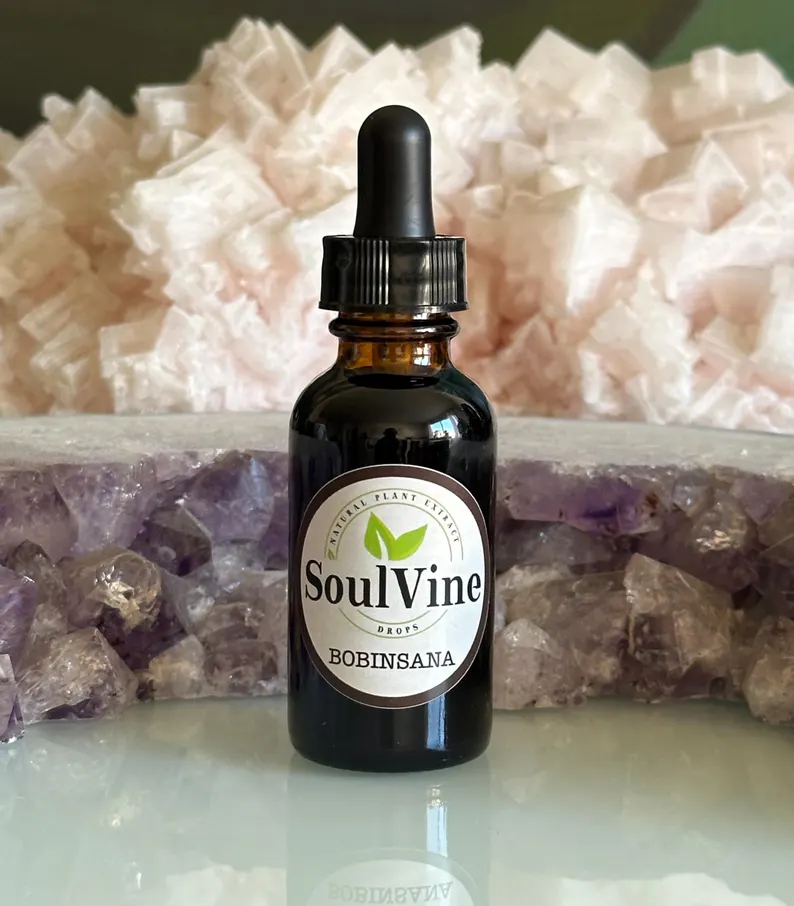
Step-by-Step: Purchasing Psychedelic Drops Legally Across Europe
Website: https://psymushroom.uk
Introduction
Interest in psychedelic products has grown across Europe, with increasing public attention on psychedelic research, alternative wellness discussions and the potential medical applications of certain substances.
One product category attracting attention is psychedelic drops. However, before considering any purchase, consumers need to understand the legal framework governing these products. Laws differ significantly between European countries, and a product that is permitted in one jurisdiction may be restricted or prohibited in another.
This guide explains how to investigate the legal status of psychedelic drops, understand product labelling, check regulatory requirements and avoid potentially unlawful purchases.
Important: There is no single European law that makes all psychedelic drops legal to purchase. Legality depends on the active ingredient, product formulation and country involved.
1. Understand What Psychedelic Drops Contain
The first step is identifying the actual ingredients in a product.
The term psychedelic drops is a broad marketing description rather than a recognised legal classification. Products sold under this name may contain different substances, including:
- Psilocybin or psilocin.
- Other naturally occurring psychoactive compounds.
- Synthetic psychedelic substances.
- Non-psychoactive mushroom extracts.
- Herbal ingredients marketed for wellness purposes.
These substances do not necessarily have the same legal classification.
For example, psilocybin and psilocin are controlled under international drug-control conventions. However, national legislation determines how these controls apply to particular products and activities.
Consumers should never assume that a liquid formulation, mushroom extract or herbal label automatically makes a product legal.
2. Check the Laws in Your European Destination
European countries have different approaches to controlled substances.
Before considering any transaction, identify the destination country’s official drug legislation and check the exact substance involved.
Some important considerations include:
- Whether the active ingredient is controlled.
- Whether possession is prohibited.
- Whether selling or supplying the substance is permitted.
- Whether extracts and liquid preparations are covered.
- Whether importation or exportation requires special authorisation.
The European Union Drugs Agency (EUDA) explains that national drug-control approaches differ between European countries.
This makes checking local legislation essential rather than relying on general statements about European legality.
3. Understand That Product Form Can Affect Legal Classification
One common misunderstanding is that a substance becomes legal simply because it is sold in liquid form.
This is not necessarily true.
A psychedelic compound may remain controlled whether it appears in dried material, powder, capsules or liquid preparations.
For instance, a product advertised as mushroom drops may contain an extract with a controlled psychoactive ingredient.
Before making assumptions about legality, establish:
- The exact chemical ingredients.
- Whether the product contains controlled substances.
- Whether the formulation falls under national drug legislation.
- Whether any applicable exemptions or medical authorisations exist.
Product descriptions and marketing claims should never replace official legal information.
4. Verify Regulatory and Medical Authorisation
If a product is advertised as a medicine, consumers should check whether it has the necessary marketing authorisation.
In Europe, medicinal products are subject to regulatory requirements concerning quality, safety and effectiveness.
A legitimate medicinal product should have appropriate regulatory documentation and be supplied through authorised channels.
It is also important to distinguish between scientific research and approved medical treatment.
Research into psychedelic-assisted therapy does not automatically mean that psychedelic drops are approved for general sale or medical use.
Consumers can consult the European Medicines Agency (EMA) and relevant national medicines regulators for information about authorised medicines.
5. Check Importation and Cross-Border Restrictions
Another important consideration is international shipping.
A product being legally available in one European country does not automatically mean that it can be imported into another.
Cross-border transactions may involve different rules concerning:
- Controlled substances.
- Medicinal products.
- Customs declarations.
- Import and export authorisations.
- Restrictions on possession and supply.
For this reason, consumers should verify the laws of both the country where a product originates and the country where it would be received.
Never assume that a seller’s willingness to ship internationally means the transaction is lawful.
6. Look Beyond Marketing Claims
Online advertisements sometimes use phrases such as:
- 100% legal psychedelic drops.
- Natural mushroom extract.
- Premium mushroom formula.
- Laboratory-tested liquid extracts.
- European-wide delivery.
However, marketing descriptions do not establish legal compliance.
A responsible consumer should look for reliable product information, accurate ingredient declarations and independently verifiable regulatory documentation.
Be particularly cautious when a seller refuses to disclose ingredients, makes unsupported medical claims or provides misleading assurances about legality.
7. Understand the Importance of Product Safety
Legal compliance is only one aspect of consumer protection.
Psychoactive products can carry significant risks, including unpredictable effects, adverse psychological reactions and interactions with other substances or medicines.
The EUDA highlights concerns about potency, purity, adulteration and the limited research available on some newer psychedelic substances.
Consumers should avoid products with unidentified ingredients or unreliable safety information.
Where a product is intended for medical use, seek advice from a qualified healthcare professional rather than relying on online marketing claims.
8. Understand the Legal Position in the United Kingdom
Although the UK is geographically part of Europe, it has its own drug-control legislation.
Psilocybin is classified as a Class A controlled drug under the Misuse of Drugs Act 1971.
Consequently, products containing psilocybin cannot simply be marketed as ordinary consumer wellness products.
The legal position also depends on the product and activity involved, including possession, supply, production and importation.
Consumers should consult official UK legislation and relevant government guidance before making decisions about products containing psychoactive substances.
9. Keep Up With Changes in European Psychedelic Regulations
Psychedelic research and regulatory discussions continue to develop.
Scientific studies are investigating potential medical applications for substances such as psilocybin, while European regulators continue to assess medicinal products and research applications.
However, research developments should not be confused with changes to existing drug laws.
For accurate information, regularly consult:
- European Union Drugs Agency (EUDA).
- European Medicines Agency (EMA).
- National medicines regulatory authorities.
- Official government drug-control legislation.
- Customs and border authorities.
These sources provide more reliable information than anonymous online sellers or unverified social media advertisements.
Frequently Asked Questions About Psychedelic Drops in Europe
1. Are psychedelic drops legal throughout Europe?
No. There is no universal European authorisation covering all psychedelic drops. Their legal status depends on their ingredients, formulation and the national legislation of the country concerned.
2. Can I purchase psilocybin drops legally in the UK?
Psilocybin is a Class A controlled drug in the UK. Products containing it are subject to strict legal controls and should not be treated as ordinary consumer products.
3. Are natural mushroom drops automatically legal?
No. Natural ingredients are not automatically exempt from drug-control legislation. The active compounds and applicable national laws determine the legal position.
4. Can psychedelic drops be shipped between European countries?
International shipping does not override national drug laws. Importing or exporting controlled substances may constitute a criminal offence without the necessary authorisation.
5. How can I verify whether a psychedelic product is legitimate?
Check its complete ingredient declaration, relevant regulatory authorisation, manufacturer information and applicable national legislation. Independent laboratory documentation can help establish product composition but does not prove that the product is legally permitted.
6. Are psychedelic substances approved for medical treatment in Europe?
Regulatory approval depends on the individual medicine and its intended use. Some related medicines have authorised medical applications, but this does not mean that all psychedelic substances or commercial drops are approved treatments.
Conclusion
Understanding the legal requirements surrounding psychedelic drops is essential for anyone researching psychedelic products across Europe.
The most responsible approach is to identify the active ingredients, investigate national drug-control legislation, verify any claimed medical authorisation and understand cross-border restrictions before considering a transaction.
European regulations are not uniform, and product marketing should never be mistaken for legal approval.
For reliable information about psychedelic research, mushroom-related regulations and consumer safety, continue exploring the educational resources available at PSYMushroom UK.
No Responses