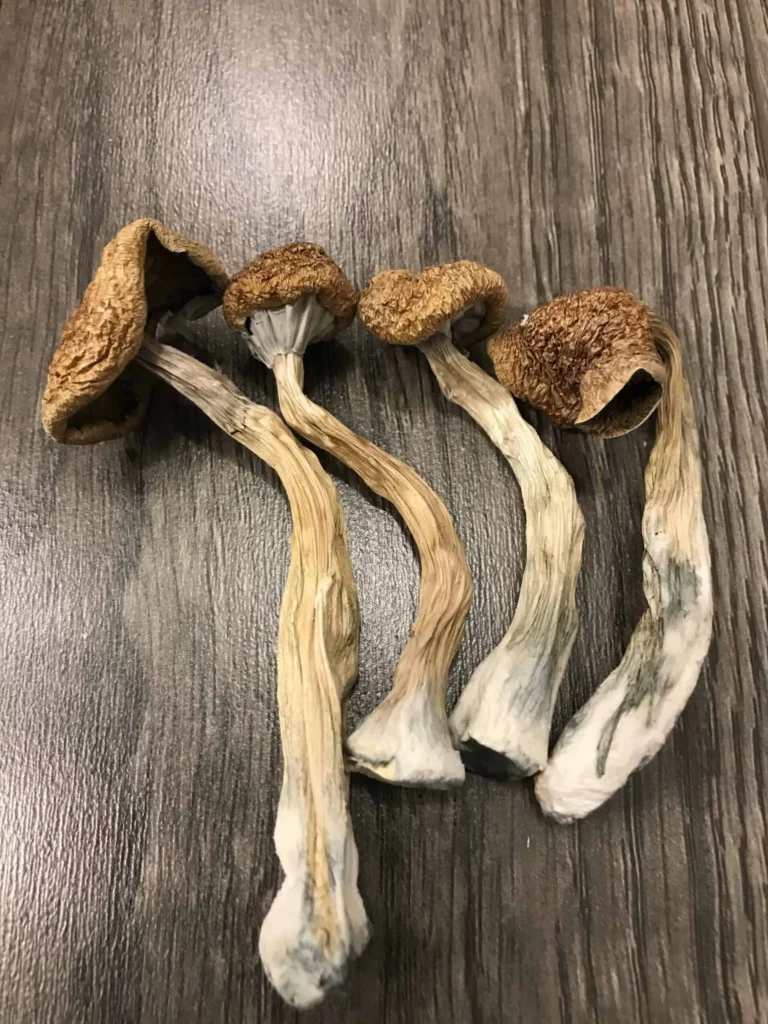
Introduction: Discover the Hidden World of UK Mushrooms
Whether you are interested in learning about fungi, photographing unusual species, or exploring beautiful woodland trails, the UK has plenty of places worth discovering.
1. The New Forest, Hampshire
The New Forest is one of Britain’s most fascinating natural environments for fungi enthusiasts. Its combination of ancient woodland, open heathland, and grassland supports a remarkable diversity of fungal species.
Why visit the New Forest?
- Diverse habitats: Explore woodland, heathland, and open landscapes.
- Seasonal discoveries: Autumn often brings a greater variety of visible fungi.
- Nature photography: Capture colourful mushrooms and interesting forest textures.
- Wildlife encounters: Enjoy the area’s rich natural environment.
The New Forest National Park Authority highlights the area’s importance for fungi, including rare and vulnerable species.
Visitors should follow local conservation rules and leave protected fungi undisturbed.
2. Sydenham Hill Wood, London
You do not need to travel far into the countryside to discover fascinating fungi. Sydenham Hill Wood offers an opportunity to explore woodland nature within London.
Managed as a wildlife-rich urban woodland, it is a worthwhile destination for people interested in learning about British fungi.
What makes this woodland special?
The woodland environment provides fallen leaves, decaying branches, shaded ground, and other habitats that support different fungal species.
Bring a camera and look carefully at tree trunks, fallen wood, and the woodland floor. You may discover unusual shapes, textures, and colours that are easy to miss when walking quickly.
The London Wildlife Trust also recommends Sydenham Hill Wood as a place to explore fungi.
Visitor tip: Stay on permitted paths where required, follow reserve guidance, and photograph fungi instead of collecting them.
3. Allen Banks and Staward Gorge, Northumberland
For visitors who enjoy dramatic landscapes, Allen Banks and Staward Gorge offer woodland scenery and a rich natural environment.
The National Trust identifies the area as a good place to appreciate fungi because its shaded, damp woodland provides suitable conditions for many species.
What can you experience here?
- Scenic woodland walks.
- Moss-covered trees and decaying wood.
- Opportunities to photograph naturally occurring fungi.
- Seasonal changes in the woodland landscape.
Late summer and autumn can be rewarding times to look for visible fungi, although sightings depend on weather and local conditions.
Remember that the presence of mushrooms in a particular habitat does not establish that they are edible or safe to handle.
4. Sussex Woodlands and Nature Reserves
Sussex offers a variety of woodland and grassland environments where nature enthusiasts can learn about Britain’s fungal diversity.
Late summer and autumn are particularly popular seasons for fungi walks. Rainfall, temperature, and habitat conditions all influence which species appear.
Make the most of a fungi walk
Choose an established nature trail or an organised educational walk. Look for fungi growing on fallen branches, old tree stumps, and among leaf litter.
You may encounter species such as colourful waxcaps, shaggy inkcaps, or other familiar British fungi, depending on the location and season.
Before visiting a nature reserve, check its website for access information and collection restrictions. Some reserves prohibit picking fungi to protect sensitive habitats.
5. Woodland Trails Across the Scottish Highlands
The Scottish Highlands are known for their forests, varied landscapes, and opportunities to experience nature away from busy urban areas.
Different woodland types support different fungal communities. Pine forests, mixed woodland, and damp areas containing decaying wood can all offer interesting opportunities for fungi observation.
What should visitors look for?
Rather than searching for a particular mushroom based on appearance alone, pay attention to the wider ecosystem.
Notice the trees, soil conditions, fallen branches, and moisture levels. These details help explain why certain fungi grow in particular places.
Always check access arrangements and local conservation guidance before exploring. Scotland’s outdoor access principles do not automatically grant permission to collect mushrooms or ignore conservation restrictions.
When Is the Best Time to Explore UK Mushroom Habitats?
Autumn is often an excellent time to explore the UK’s fungal diversity. Cooler weather and suitable moisture levels can encourage many species to produce visible fruiting bodies.
However, fungi can appear throughout the year, depending on the species and habitat.
Here is a simple seasonal guide:
| Season | What to expect |
|---|---|
| Spring | Some early-season fungi and woodland growth |
| Summer | Fungi in suitable damp or shaded habitats |
| Autumn | Often a particularly varied period for visible fungi |
| Winter | Certain hardy species and fungi growing on dead wood |
These are general patterns, not guarantees. Local weather and habitat conditions make a significant difference.
How to Explore Wild Mushrooms Responsibly
Exploring fungi can be an enjoyable way to connect with nature, but responsible behaviour is essential.
1. Learn before identifying
Wild mushrooms can look remarkably similar, even when they belong to different species. Colour and shape alone are not reliable ways to determine whether a mushroom is edible or psychoactive.
Use reputable field guides and attend educational fungi walks led by knowledgeable specialists.
2. Never eat unidentified mushrooms
Some poisonous fungi resemble species that people consider edible. Mistakes can result in serious illness or death.
Never eat a wild mushroom based solely on an online photograph, a mobile identification app, or an unverified description.
3. Respect protected habitats
Some UK fungi are rare or legally protected. Collecting fungi may also be prohibited by landowners or conservation authorities.
Check local rules before collecting any wild specimen. When in doubt, leave it where it grows.
4. Photograph rather than pick
Photography allows you to appreciate the shapes, colours, and textures of wild fungi without disturbing their habitat.
Take photographs from different angles and record the surrounding trees and ground conditions. These details can help with later identification.
Are Magic Mushrooms Legal in the UK?
Understanding the law is important for anyone researching psychedelic mushrooms.
In the UK, psilocybin and psilocin are controlled Class A drugs under the Misuse of Drugs Act 1971. Psilocybin-containing mushrooms are generally subject to these controls, and possession, production, and supply can have serious legal consequences.
The precise legal implications depend on the circumstances. Anyone seeking legal guidance should consult an appropriately qualified professional or current official government information.
It is important not to assume that a mushroom is legal to collect simply because it grows naturally in a woodland or field.
Can You Identify Magic Mushrooms by Appearance?
No visual description can reliably establish that a wild mushroom contains psilocybin or is safe to consume.
Many mushroom species have similar features, and identification can require close examination of several characteristics. Some poisonous species may be mistaken for other mushrooms.
If your interest is educational, focus on learning about fungal biology, habitats, ecology, and responsible observation rather than experimenting with unidentified wild specimens.
Frequently Asked Questions
Where can I learn about wild mushrooms in the UK?
Woodlands, nature reserves, and organised fungi walks can provide excellent opportunities to learn about fungal diversity. Check local wildlife organisations for educational events and access rules.
When is the best season for fungi spotting?
Late summer and autumn are often productive periods, although different fungi appear at different times of year.
Are all wild mushrooms dangerous?
No. Some species are edible, while others are poisonous or inedible. However, accurate identification is essential, and beginners should never eat wild mushrooms based on appearance alone.
Can I collect mushrooms from UK woodlands?
Collection rules vary according to the landowner, site designation, and species involved. Some locations prohibit collection, and certain fungi are legally protected. Always check the applicable rules first.
Why are fungi important to woodland ecosystems?
Fungi help break down dead organic material, recycle nutrients, and support relationships between plants and soil organisms. They also provide food and habitat resources for wildlife.
Final Thoughts: Explore the UK’s Fascinating Fungal Diversity
The UK’s woodlands and natural landscapes offer plenty of opportunities to discover the beauty and diversity of wild fungi.
From the New Forest to urban woodlands in London and scenic destinations in Northumberland, there are many places to enjoy nature and learn about fungal habitats.
The best approach is to explore responsibly, follow local regulations, protect vulnerable species, and never consume a wild mushroom unless its identity and safety have been established through reliable expert guidance.
For readers interested in magic mushrooms in the UK, understanding fungal ecology, the law, and the risks of misidentification is an important starting point.
Explore responsibly, protect nature, and let curiosity lead the way.
No Responses