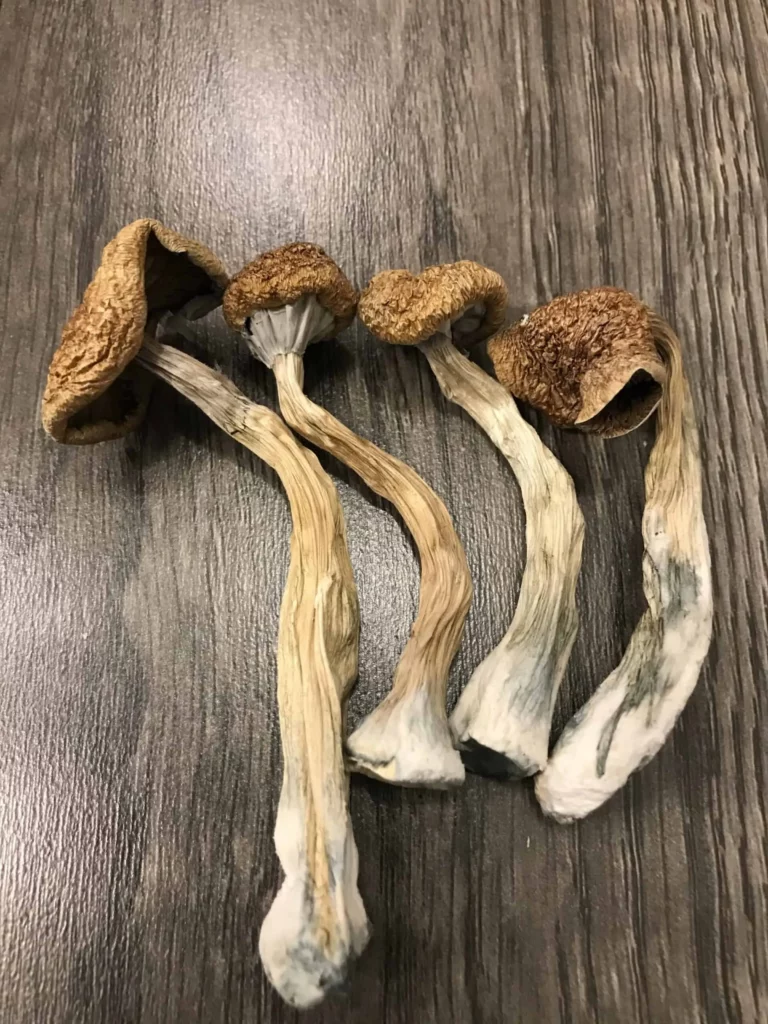
Top 5 Dried Wild Mushroom Varieties Available Online in Europe
Introduction
Dried wild mushrooms have become popular ingredients in European kitchens because of their distinctive flavours, versatility and convenient storage. From traditional Italian recipes to French-inspired sauces and hearty European soups, different mushroom varieties offer unique culinary experiences.
Buying dried wild mushrooms online also gives consumers access to varieties that may be difficult to find in local supermarkets. With specialist food retailers and established mushroom suppliers offering different products, customers can explore a wider selection throughout the year.
In this guide, we explore five popular dried wild mushroom varieties associated with the European food market, their flavour profiles, culinary uses and what to consider when choosing a reliable supplier.
1. Porcini Mushrooms (Boletus edulis)
Porcini mushrooms are among the best-known wild culinary mushrooms in Europe. Also called ceps or penny buns, they are particularly popular in Italian, French and Central European cooking.
Dried porcini mushrooms are valued for their rich, earthy aroma and distinctive nutty flavour. The drying process concentrates their natural taste, making them an excellent ingredient for dishes that require deep mushroom flavour.
Popular culinary uses:
- Mushroom risotto and pasta dishes.
- Creamy mushroom sauces.
- Vegetable and mushroom soups.
- Stews and savoury rice dishes.
- Seasoning blends and mushroom powders.
Porcini are a popular choice for people looking to add an authentic woodland flavour to traditional recipes.
2. Chanterelle Mushrooms (Cantharellus cibarius)
Chanterelles are highly appreciated in European cuisine because of their delicate flavour, attractive appearance and distinctive aroma.
Fresh chanterelles are seasonal, but commercially dried varieties provide another way to enjoy their culinary characteristics throughout the year.
Their flavour is often described as mildly peppery, fruity and earthy. They work particularly well in recipes where a delicate mushroom taste is preferred.
Popular culinary uses:
- Cream-based pasta sauces.
- Mushroom omelettes.
- Vegetable dishes.
- Risotto and rice recipes.
- Traditional European soups.
When shopping for dried chanterelles online, look for clearly labelled products with information about their origin, processing and storage requirements.
3. Morel Mushrooms (Morchella species)
Morels are considered a premium wild culinary mushroom. Recognisable by their honeycomb-like caps, they are particularly appreciated in French and other European cuisines.
Dried morels are valued for their concentrated earthy flavour and distinctive texture. They are commonly used in sophisticated sauces and special-occasion meals.
Because morels are seasonal and can be difficult to source fresh, dried products are an important option for food enthusiasts.
Popular culinary uses:
- Morel cream sauces.
- Meat and vegetable accompaniments.
- Gourmet pasta dishes.
- Risotto.
- Special-occasion mushroom recipes.
An important food-safety point is that morels must be properly cooked before consumption. They should never be eaten raw or treated as ready-to-eat products.
4. Black Trumpet Mushrooms (Craterellus cornucopioides)
Black trumpet mushrooms, sometimes called horn of plenty, are another distinctive wild mushroom variety found in European culinary traditions.
They are known for their dark, funnel-shaped appearance and rich, earthy flavour. Their aroma makes them particularly useful in recipes where a concentrated mushroom character is desirable.
Dried black trumpets are also convenient because small quantities can add considerable flavour to different meals.
Popular culinary uses:
- Mushroom soups.
- Pasta and risotto.
- Savoury sauces.
- Mushroom seasoning.
- Vegetable and grain-based dishes.
Their distinctive flavour makes black trumpet mushrooms an interesting alternative to more familiar varieties.
5. Saffron Milk Cap Mushrooms (Lactarius deliciosus)
Saffron milk caps are recognised wild edible mushrooms in several European culinary traditions. They are particularly associated with Mediterranean cooking.
These mushrooms have an orange appearance and a distinctive flavour that works well in a variety of savoury recipes.
Although they are commonly enjoyed fresh in some regions, commercially processed products may also be available depending on the supplier and season.
Popular culinary uses:
- Traditional mushroom dishes.
- Rice and vegetable recipes.
- Savoury sauces.
- Cooked mushroom side dishes.
- Regional Mediterranean recipes.
When considering dried saffron milk caps, check the product description carefully to confirm the species and recommended preparation method.
Why Are Dried Wild Mushrooms Popular in Europe?
Dried mushrooms offer several practical advantages for consumers and food enthusiasts.
1. Convenient Storage
Properly dried mushrooms generally have a longer storage life than fresh mushrooms when kept in suitable conditions. This makes them convenient pantry ingredients.
2. Concentrated Flavour
Removing moisture concentrates many of the natural flavours and aromas found in mushrooms. This is one reason dried porcini and morels are popular ingredients in European cooking.
3. Availability Throughout the Year
Wild mushrooms are often seasonal. Drying allows suitable varieties to be stored and distributed beyond their fresh harvesting periods.
4. Versatile Cooking Options
Different dried mushroom varieties can be incorporated into soups, sauces, pasta, rice dishes and other recipes.
What to Consider When Buying Dried Wild Mushrooms Online in Europe
Choosing a reliable supplier is important when purchasing dried culinary mushrooms online. Product descriptions, food safety information and transparent sourcing can help customers make informed decisions.
Consider the following factors:
Correct Species Identification: Check that the product has a clearly stated common name and scientific name. Avoid products with vague descriptions.
Product Origin: Look for information about the harvesting region and country of origin.
Food Safety Standards: Choose suppliers that provide appropriate food safety and processing information.
Packaging Quality: Proper packaging helps protect dried mushrooms from moisture, contamination and deterioration.
Storage Instructions: Check the manufacturer’s recommendations for storage conditions and shelf life.
Preparation Guidelines: Different varieties may require different soaking and cooking methods. Follow the supplier’s instructions.
How to Store Dried Wild Mushrooms
Proper storage helps preserve the quality of dried mushrooms.
Follow these basic recommendations:
- Keep mushrooms in an airtight container.
- Store them in a cool, dry place.
- Protect them from direct sunlight.
- Avoid exposure to moisture.
- Follow the manufacturer’s recommended storage period.
- Discard products showing signs of mould, unusual moisture or deterioration.
Always follow the product’s food safety and preparation instructions.
Frequently Asked Questions (FAQs)
What are the most popular dried wild mushrooms in Europe?
Porcini, chanterelles, morels, black trumpets and saffron milk caps are among the recognised wild culinary mushroom varieties enjoyed in different European countries.
Are dried wild mushrooms available throughout the year?
Many dried mushroom products are available beyond their natural harvesting seasons because drying allows them to be stored and distributed for extended periods.
Which dried mushroom variety is best for risotto?
Porcini mushrooms are particularly popular for risotto because of their concentrated earthy and nutty flavour. Chanterelles and other culinary varieties can also be used.
Do dried wild mushrooms need soaking?
Some dried mushroom varieties benefit from soaking before cooking. Follow the product-specific preparation instructions and cook them thoroughly.
How should dried mushrooms be stored?
Store them in airtight packaging in a cool, dry place, away from direct sunlight and moisture.
Conclusion
Dried wild mushrooms offer an interesting way to explore the diversity of European culinary traditions. From the rich flavour of porcini to the delicate character of chanterelles and the distinctive aroma of black trumpets, each variety brings something different to the kitchen.
When exploring dried wild mushroom products online, prioritise accurate species identification, responsible sourcing, quality packaging and clear food safety information.
Whether you are interested in traditional European recipes or experimenting with new ingredients, understanding the different mushroom varieties can help you make better-informed food choices.
Explore the world of culinary mushrooms with Magic Mushroomery and continue learning about mushroom varieties, preparation and responsible sourcing.
No Responses