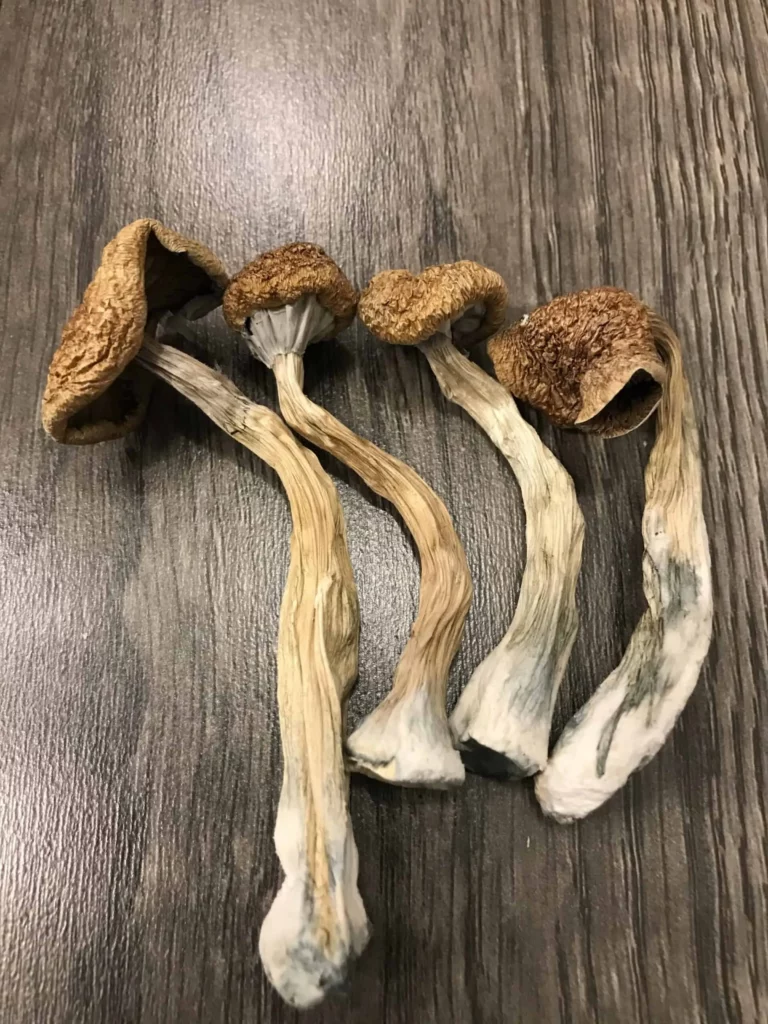
Introduction: The Rise of UK Mushroom Farms
What Is a Mushroom Farm?
Most UK mushroom farms rely on composted organic materials such as straw, agricultural waste, or wood-based substrates to grow mushrooms efficiently and sustainably.
Types of Mushrooms Grown in the UK
UK mushroom farms produce a wide variety of edible mushrooms, including:
1. White Button Mushrooms
The most commonly consumed mushroom in the UK, known for its mild flavor and versatility.
2. Chestnut Mushrooms
Rich in flavor and slightly firmer in texture, perfect for soups and stir-fries.
3. Oyster Mushrooms
A popular gourmet variety with a delicate texture and fast-growing cycle.
4. Shiitake Mushrooms
Highly valued for their rich, umami flavor and nutritional benefits.
These varieties are widely used in restaurants, supermarkets, and home cooking across the country.
How Mushroom Farming Works in the UK
Modern UK mushroom farms use controlled environment agriculture (CEA) to ensure consistent quality and yield. The process typically involves:
1. Substrate Preparation
Organic materials are sterilized and prepared as a growing base.
2. Inoculation
Mushroom spores or spawn are introduced into the substrate.
3. Incubation
The mixture is stored in a dark, temperature-controlled environment to allow mycelium growth.
4. Fruiting Conditions
Humidity, temperature, and ventilation are adjusted to trigger mushroom formation.
5. Harvesting
Mushrooms are carefully picked at peak maturity for distribution.
Why UK Mushroom Farms Are Growing in Popularity
Several factors contribute to the growth of mushroom farming in the UK:
- Sustainability: Mushrooms require less water and land compared to traditional crops.
- Low Carbon Footprint: Indoor farming reduces environmental impact.
- Year-Round Production: Controlled environments allow continuous harvesting.
- Rising Demand: Plant-based diets and healthy eating trends are increasing consumption.
Economic Importance of Mushroom Farming in the UK
The mushroom industry contributes significantly to the UK’s agricultural economy. It provides jobs, supports local food supply chains, and reduces dependence on imported produce.
Many farms also supply fresh mushrooms directly to supermarkets, restaurants, and food distributors across the country.
Sustainability and Innovation in Mushroom Farming
UK mushroom farms are increasingly adopting eco-friendly practices such as:
- Recycling agricultural waste into growing substrates
- Using energy-efficient climate control systems
- Reducing food waste through local distribution
- Implementing organic farming methods
These innovations make mushroom farming one of the most sustainable agricultural sectors in the UK.
Conclusion
The UK mushroom farm industry continues to expand due to rising demand for healthy, sustainable food options. With advanced cultivation techniques and a strong focus on environmental responsibility, mushroom farming is set to remain a key part of British agriculture for years to come.
Whether you are interested in agriculture, nutrition, or sustainable food systems, UK mushroom farms offer a fascinating example of modern farming innovation.
No Responses