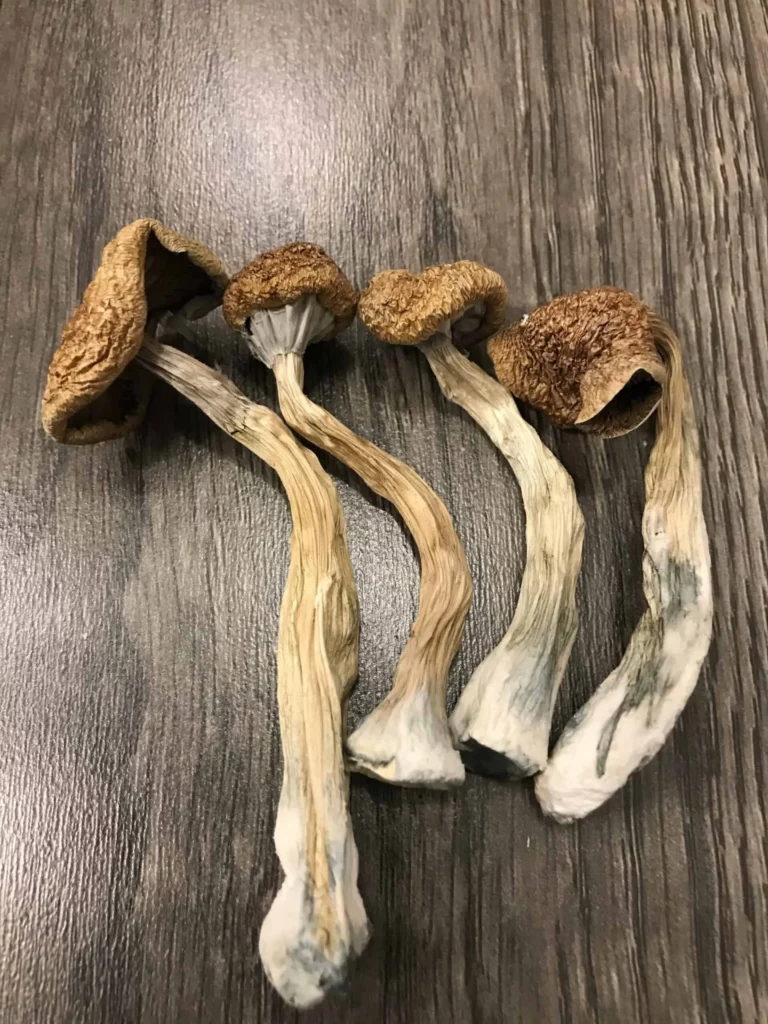
Where to Find Reliable Psychedelic Information Online in the UK
Finding reliable psychedelic information online can be difficult. Search results may contain advertising, unverified claims, outdated information, and content that does not clearly distinguish scientific research from personal experiences.
For anyone researching psychedelics in the UK, the best approach is to look for trustworthy sources, understand the current legal position, and carefully evaluate health and safety claims.
Why Reliable Information Matters
Psychedelic substances can produce significant changes in perception, mood, thinking, and consciousness. However, online descriptions can make these experiences sound simpler or safer than they actually are.
Reliable information should explain both potential effects and potential risks. It should also identify whether a claim comes from scientific research, government guidance, clinical research, or personal opinion.
When reading about psychedelics online, avoid relying on a single website. Compare information from several credible sources before reaching a conclusion.
Understanding UK Psychedelic Laws
UK drug laws are important when researching psychedelic substances.
The UK government’s controlled-drugs list identifies fungi containing psilocin or an ester of psilocin, including psilocybin-containing mushrooms, as Class A drugs.
The Psychoactive Substances Act 2016 also created offences involving the production, supply, offering to supply, possession with intent to supply, importation and exportation of relevant psychoactive substances.
Because legislation can change, readers should check current government information rather than relying on old blog posts, social-media discussions, or outdated search results.
How to Evaluate a Psychedelic Website
A website discussing psychedelics should provide clear and responsible information.
Look for:
- Clearly identified authors or organisations
- References to scientific research
- Links to reputable sources
- Transparent publication or update dates
- Clear separation between facts and opinions
- Balanced discussion of benefits and risks
- Accurate information about UK law
- Responsible health and safety information
Be cautious when a website makes extraordinary claims without evidence. Statements suggesting that a psychedelic substance can automatically treat serious medical conditions should not be accepted without supporting clinical evidence.
Look for Evidence-Based Information
Scientific research is one of the most useful ways to understand psychedelics.
Clinical studies may investigate substances such as psilocybin for specific medical or psychological conditions. However, research findings should not automatically be interpreted as proof that an unregulated product is safe or effective for personal use.
The UK’s legal framework also provides specific licensing arrangements for controlled drugs used for research and other authorised purposes.
When reading a research article, check who conducted the study, how many participants were involved, what was actually measured, and whether the findings have been independently replicated.
Be Careful With Online Product Claims
Some websites use terms such as “premium,” “medical grade,” “lab tested,” or “100% safe” without providing meaningful evidence.
A responsible reader should ask:
- What evidence supports the claim?
- Is the source independent?
- Is the information current?
- Does the website clearly explain limitations and risks?
- Is the substance legally permitted in the UK?
- Does the information distinguish research from consumer marketing?
These questions can help readers separate genuine educational material from promotional claims.
Where to Find Better Psychedelic Information
For UK-specific legal information, government sources are a useful starting point. The Home Office publishes controlled-drug information and guidance relating to the UK’s drug-control framework.
For scientific information, readers can also consult peer-reviewed academic research, university research groups, recognised medical organisations, and established clinical-trial databases.
When information conflicts, prioritise recent primary research and official UK guidance over anonymous posts or unsupported claims.
Psychedelic Research Is an Evolving Field
Research into psychedelics continues to develop internationally. New studies may provide evidence about potential therapeutic applications, risks, mechanisms of action, and appropriate clinical settings.
However, research should not be confused with unrestricted consumer access.
A substance being investigated in a clinical study does not necessarily mean it is approved as a medicine or legally available for general use. Readers should always check the current UK regulatory position.
Final Thoughts
Finding reliable psychedelic information online requires careful research. Instead of trusting websites that make strong promises, look for transparent sources, scientific references, current information, and balanced discussions of risks.
For UK readers, understanding the law is equally important. Psilocybin-containing mushrooms remain controlled under UK drug legislation, while the supply of relevant psychoactive substances is also subject to legal restrictions.
The safest approach is to use reputable educational and scientific sources, verify claims against official guidance, and treat online product marketing with caution.
No Responses