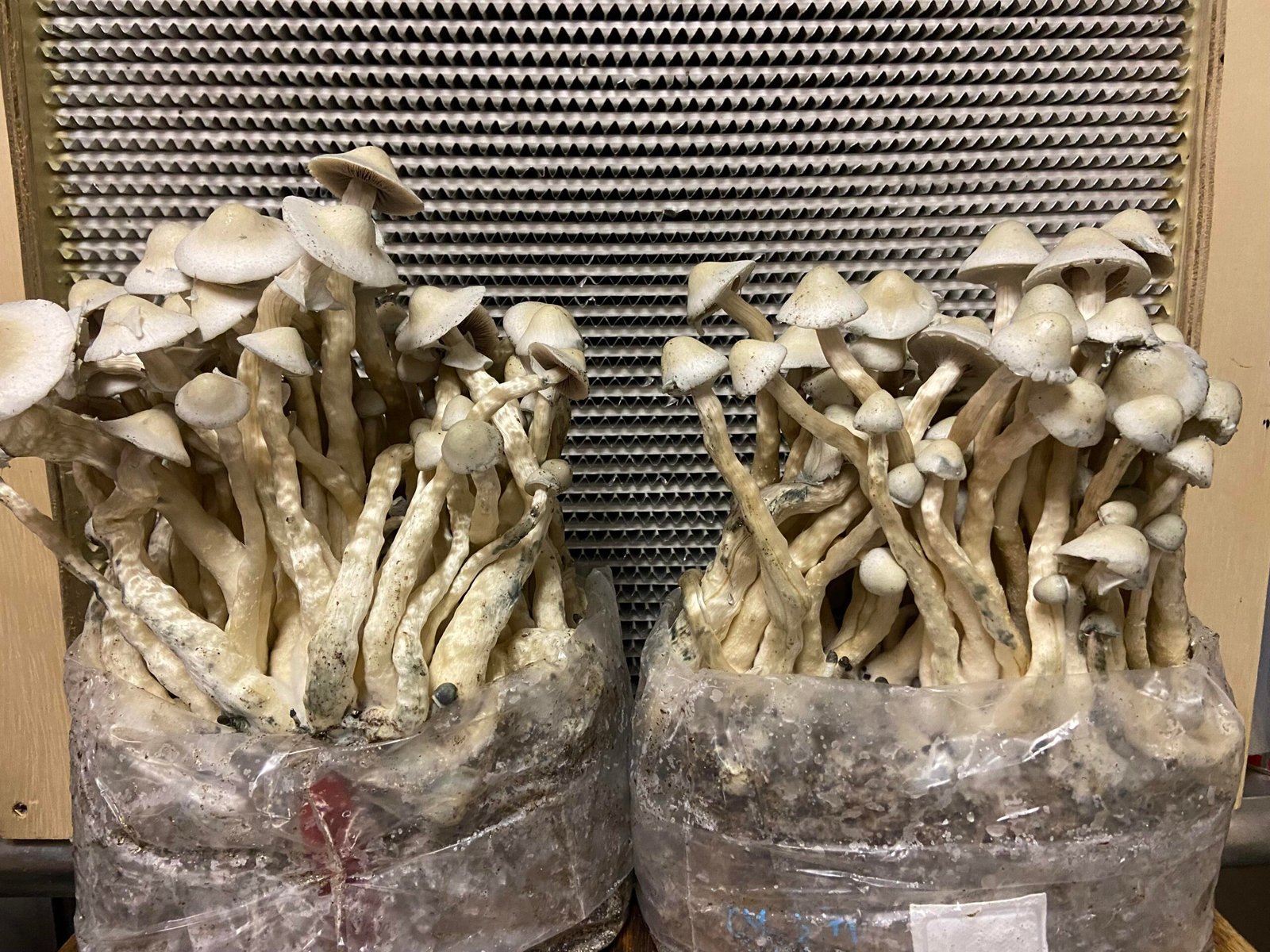
In recent years, London has witnessed a remarkable shift in the perception of psilocybin, the psychedelic compound found in certain mushrooms. Once relegated to the shadows of prohibition and stigma, psilocybin is now emerging as a beacon of hope in mental health treatment, gaining recognition for its therapeutic potential. As research uncovers its profound effects on the brain and its ability to alleviate conditions such as depression, anxiety, and PTSD, the conversation around psychedelics is rapidly evolving. This article delves into the incredible benefits of psilocybin, exploring its historical context, recent legal advancements, and the growing public acceptance that is transforming the landscape of mental health care in London and beyond.
“`html
Understanding Psilocybin: The Science Behind the Fungus
What are Psilocybin Mushrooms?
Psilocybin mushrooms, often affectionately dubbed “magic mushrooms,” are not your average fungi found on a pizza. These little guys contain the psychoactive compound psilocybin, which, when ingested, gets converted into psilocin in the body— a substance that merrily hops on the serotonin receptors in the brain, leading to altered perceptions and profound experiences. But fear not! We’re not talking about floating through the clouds; the effects can range from trippy visuals to deep introspection— a real rollercoaster for the mind!
Mechanisms of Action in the Brain
Psilocybin’s secret superpower lies in its ability to mimic serotonin, that lovely little neurotransmitter responsible for mood regulation. When psilocin binds to serotonin receptors, it can change the way different networks in the brain communicate. Think of it as a traffic controller who suddenly decides to direct all the cars to meet at a party! This results in increased connectivity between brain areas, leading to enhanced creativity, emotional release, and sometimes life-changing insights. Just remember, what happens at the brain party stays at the brain party!
Potential Benefits of Psilocybin
While mushrooms may be known for their deliciousness in risottos, their potential health benefits are nothing short of remarkable. Research suggests that psilocybin can reduce symptoms of depression, alleviate anxiety, and even help with addiction. Imagine finding a guide for your emotional labyrinth that doesn’t involve a self-help book! The benefits could pave the way for new therapies in mental health, but remember to approach this with caution and respect—it’s not your average stroll in the park!
Historical Context: Psilocybin’s Journey from Ban to Acceptance
Early Uses in Indigenous Cultures
Long before they became the poster children for counterculture, psilocybin mushrooms were cherished by indigenous peoples in Mesoamerica. Used in religious ceremonies and healing rituals, these fungi were viewed as a bridge to the divine. Ancient shamans wielded these mushrooms like a magic wand, guiding participants through spiritual journeys and psychological exploration. In short, our fungal friends have been in the soul-searching business for centuries—talk about a seasoned pro!
The Rise of Prohibition in the 20th Century
Enter the 20th century, where psilocybin’s fairy tale took a turn for the worse. With the rise of the counterculture movement in the 1960s, governments around the globe hit the panic button, leading to a swift crackdown. Psilocybin mushrooms were classified alongside heroin and other “dangerous” substances, turning their image from sacred to scandalous virtually overnight. Fast forward several decades, and here we are, unraveling the mess with fresh eyes (just hope it’s not a bad trip).
Modern Revival and Research Initiatives
Like a phoenix rising from the ashes—or perhaps a spore finding the right soil—psilocybin is experiencing a renaissance in scientific research! Scholars and clinicians are diving into the potential benefits of these mushrooms, with studies popping up at prestigious institutions. This new wave of interest is stirring conversations about therapeutic applications, pushing for reform, and shaking up the perceptions around psilocybin. Apparently, the fungi have found a way back into our good graces!
The Legal Landscape: Recent Changes in London’s Psilocybin Regulations
Overview of Current Laws and Regulations
As it stands, psilocybin sits comfortably in the Schedule I drug category in the UK, which translates to prohibition on possession and distribution. However, recent discussions are stirring the pot, with debates about therapeutic use gaining traction. While you still can’t stroll into a mushroom shop in London just yet, there’s a growing acceptance and acknowledgment of the need for reform surrounding medical psilocybin.
Key Players in Legal Reform
The movement towards psilocybin legalisation is being led by a mix of passionate activists, researchers, and even a sprinkle of politicians who’ve had their eyes opened to the potential benefits. Organizations like the Beckley Foundation and the Multidisciplinary Association for Psychedelic Studies (MAPS) are at the forefront, rallying for change. It’s like watching a team of superheroes band together—if only they could get capes made from mushrooms!
Comparative Analysis with Other Countries
When it comes to psilocybin legality, the UK is still playing catch-up with countries like Canada and the Netherlands, where psilocybin is either decriminalized or used in clinical settings. The US is also making strides, with cities like Denver and Portland paving the way for regulated access. The UK’s slow but steady approach raises questions: Will it embrace the potential of psychedelics, or will it stubbornly cling to the past? Only time will tell!
Mental Health Breakthroughs: Psilocybin in Therapy
Psilocybin and Depression Treatment
If you’ve ever felt stuck in a never-ending loop of sadness, psilocybin may have a ray of hope. Research has shown that it can help “reset” the brain’s pathways associated with depression. In clinical trials, participants reported significant reductions in depression symptoms after just one or two sessions, leading some to herald psilocybin as a major player in the future of mental health treatment. Who knew mushrooms could be such mood lifters?
Addressing Anxiety and PTSD with Psilocybin
Anxiety and PTSD can feel like unwelcome guests that just won’t leave. Thankfully, psilocybin therapy is showing promise in helping these individuals find relief. With sessions that encourage deep exploration of emotions and memories, many participants have reported fewer anxiety symptoms and a renewed sense of peace. It’s like a mini therapy retreat without the outrageous price tag—and a whole lot of mushrooms!
Clinical Trials and Results
The evidence is stacking up faster than a buffet plate at a picnic! Clinical trials around the world are racking up positive results for psilocybin-assisted therapy. From improving quality of life for terminally ill patients to helping with addiction recovery, the results are painting a picture of hope and potential. It’s enough to make even the most skeptical skeptic raise an eyebrow and say, “Maybe there’s something to this after all!” Cheers to research on the wild side!
“`
Public Perception: Changing Attitudes Towards Psychedelics
Survey Data on Public Opinion
Recent surveys reveal a noticeable shift in how the public views psychedelics, particularly psilocybin. Once relegated to the darker corners of the drug debate, psilocybin is now being considered by many as a potential game-changer for mental health. A recent poll showed that over 60% of respondents believe psilocybin should be legalized for therapeutic use. This newfound fondness may stem from increasing awareness of mental health issues and the limitations of conventional treatments.
Influence of Media and Pop Culture
The media has played a pivotal role in reshaping perceptions of psychedelics. Documentaries, podcasts, and even mainstream movies are shedding light on the transformative power of psilocybin. Celebrities and influencers discussing their own experiences has turned the tide, essentially making psychedelics the “it” topic at dinner parties. Forget the small talk about the weather—now it’s all about microdosing and ego dissolution!
Community Education and Advocacy Efforts
Grassroots movements have emerged, fueling the conversation around psilocybin with informative workshops, seminars, and advocacy campaigns. Organizations dedicated to education are breaking down stigma and misinformation, offering a refreshing perspective on psychedelics’ potential benefits. This community-driven approach ensures that the conversation is not just a trend but a catalyst for lasting change in public policy.
Case Studies: Success Stories of Psilocybin Use
Personal Narratives of Transformation
Many individuals have shared their powerful experiences with psilocybin, detailing profound transformations that have enriched their lives. From overcoming crippling anxiety to finding clarity in depression, these personal stories paint a picture of hope and healing. Imagine a world where your brain is no longer a chaos factory, and psilocybin might just be the key to that serene escape—minus the yoga mat.
Clinical Success Stories from Trials
Clinical trials have started surfacing with positive results that give traditional therapies a run for their money. Participants have reported significant improvements in conditions like PTSD and depression, with some studies revealing long-lasting effects after just a few guided sessions. It’s like the best Netflix binge—except instead of just watching, you’re healing!
Comparative Outcomes with Traditional Treatments
What’s really striking is how psilocybin stacks up against traditional treatments. Many patients report that their experiences with psilocybin resulted in quicker relief from symptoms compared to conventional antidepressants. While the latter can take weeks—like waiting for your next vacation—psilocybin offers quicker, often more profound insights, making it a tantalizing option in the mental health toolkit.
Future Prospects: Research and Development in Psilocybin Therapies
Emerging Studies and New Areas of Research
The future looks bright for psilocybin research, with an array of new studies popping up like wild mushrooms after a rain. Researchers are exploring diverse applications—from anxiety in terminal illness to addiction recovery. The potential is immense, as scientists continue to uncover the depths of psilocybin’s therapeutic capabilities. Who knew mushrooms could inspire such groundbreaking research, aside from the folks in the forest?
Potential for Wider Therapeutic Applications
With ongoing studies hinting at a wealth of therapeutic applications, psilocybin could soon find itself in a variety of treatment regimens. Think anxiety, depression, PTSD, substance abuse—if it’s a mental health concern, psilocybin might just have a seat at the table. As we shift our approach to mental wellness, psilocybin is poised to become a centerpiece of modern therapy.
Challenges and Opportunities in Psilocybin Research
Of course, it’s not all rainbows and magic mushrooms. Research faces hurdles such as funding, regulatory roadblocks, and societal stigma that can be as stubborn as a cat refusing to move from your favorite chair. However, as more studies demonstrate the benefits of psilocybin, these challenges may become opportunities for innovation and change in mental health treatment.
Navigating the Risks: Safe Practices for Psilocybin Use
Understanding the Risks and Side Effects
While psilocybin holds promise, it’s essential to acknowledge the potential risks and side effects. Experiences can vary widely, with some users facing anxiety, confusion, or even unpleasant trips. It’s crucial to approach with caution and respect, just like you would a new dance partner—nobody wants to step on toes!
Guidelines for Responsible Use
For those considering psilocybin, establishing guidelines can make all the difference. Start slow, preferably in a safe, comfortable environment, and never go solo on this journey. Having a trusted friend or guide can help navigate any turbulent waters. Remember, your mental state is no place for a surprise adventure!
The Importance of Professional Guidance
Enlisting the support of trained professionals can elevate the psilocybin experience to new heights. Therapeutic sessions with licensed guides can provide the structure and safety needed for profound personal insights. Think of them as your mental health GPS, ensuring you’re on the right track and steering clear of any unchartered territory.As London continues to embrace the potential of psilocybin, the journey from forbidden substance to a promising therapeutic tool highlights a pivotal moment in mental health treatment. With ongoing research and changing public attitudes, psilocybin is poised to play a significant role in addressing the mental health crisis faced by many. By fostering a deeper understanding and responsible use of this powerful compound, society can unlock new pathways to healing and well-being, paving the way for a brighter future in mental health care.
FAQs
What is psilocybin and how does it work?
Psilocybin is a naturally occurring psychedelic compound found in certain species of mushrooms. It works by affecting serotonin receptors in the brain, leading to altered perceptions, mood changes, and potential therapeutic benefits for mental health conditions.
Is psilocybin legal in London?
As of now, psilocybin is classified as a Schedule I controlled substance in the UK, which means it is illegal to possess or supply. However, there have been recent discussions and movements advocating for legal reform to allow for medical and therapeutic use.
What mental health conditions can psilocybin help treat?
Research suggests that psilocybin may be effective in treating a variety of mental health conditions, including depression, anxiety, PTSD, and addiction. Clinical trials have shown promising results in alleviating symptoms for many individuals.
Are there any risks associated with psilocybin use?
Yes, while psilocybin is considered relatively safe, it can cause adverse effects in some individuals, such as anxiety, paranoia, or hallucinations. Responsible use, guided settings, and proper dosage are essential to minimize risks.
No Responses