Understanding Psilocybin: The Science Behind the Psychedelic
What Are Psilocybin Mushrooms?
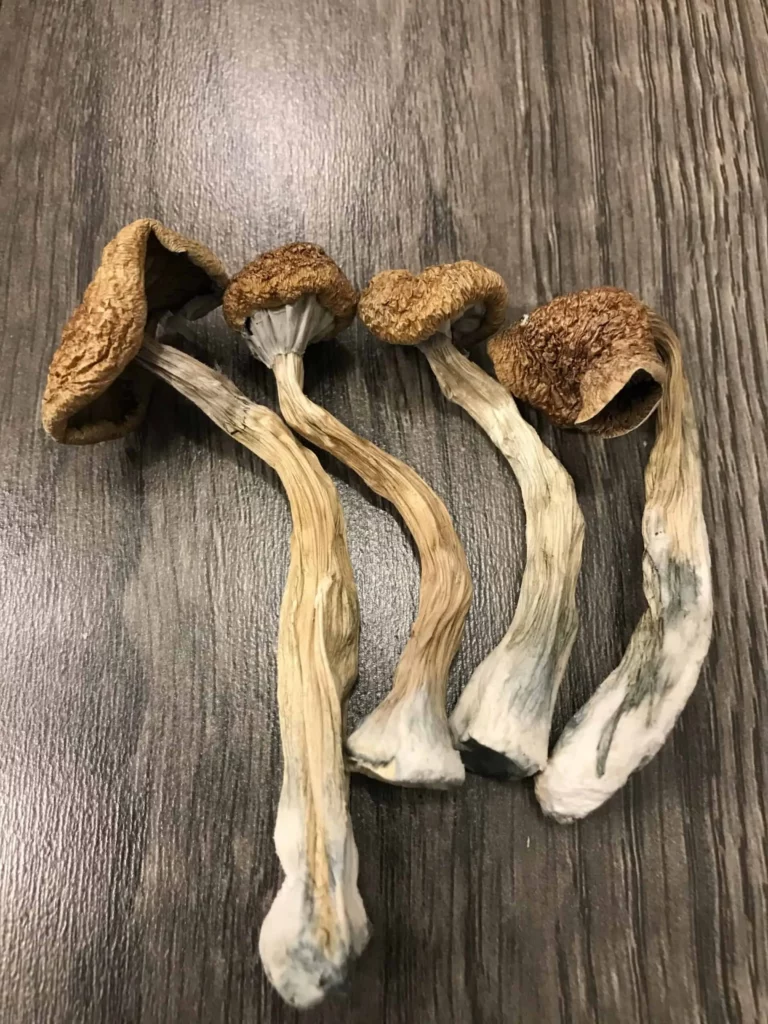
Psilocybin mushrooms, often referred to as magic mushrooms, are fungi that contain the naturally occurring psychedelic compound psilocybin. These mushrooms come in various shapes and sizes, but all share the common feature of inducing altered states of consciousness—think of them as little squishy portals to inner realms. They have been used for centuries in spiritual and therapeutic contexts, making them a fascinating topic for both scientists and curious adventurers alike.
How Psilocybin Affects the Brain
When ingested, psilocybin is converted into psilocin, which mimics the brain’s serotonin—our trusty neurotransmitter responsible for regulating mood, perception, and cognition. This interaction leads to a delightful cocktail of brain activity, often resulting in enhanced mood and creativity, not to mention some colorful visual experiences. Imagine your brain throwing a surprise party, complete with confetti and a DJ playing your favorite tunes—it’s a wild ride!
Therapeutic Mechanisms: How It Works
Psilocybin appears to help break down entrenched mental barriers and habitual thought patterns, almost like a mental spring cleaning. Studies suggest it can promote neuroplasticity, allowing the brain to rewire connections and foster new perspectives. This is particularly beneficial for individuals suffering from anxiety, depression, and PTSD. In essence, psilocybin offers a friendly nudge to help you step off the hamster wheel of negativity and take a refreshing stroll in nature instead.
Historical Context: Psilocybin Use in Therapy and Culture
Indigenous Practices and Traditional Uses
Long before they became Instagram stars, psilocybin mushrooms were integral to the spiritual and healing practices of various Indigenous cultures. Used in rituals and ceremonies, these fungi often served as a bridge between the physical and spiritual realms. Whether used for divination, healing, or simply to commune with nature, psilocybin has roots that dig deep into ancient traditions, showing that we’ve been curious about altered states for quite some time.
Psilocybin in Modern History: A Timeline
Fast forward to the mid-20th century, when researchers and psychonauts began to take a keen interest in psilocybin. The 1950s and 60s saw a surge of studies into its therapeutic potential, yet the cultural shift towards caution meant that research largely stalled for decades. In recent years, however, researchers like John Hopkins and MAPS have reignited this interest, proving that what was once taboo is now back in vogue. Think of it like the mushroom equivalent of a comeback tour!
From Stigma to Science: Changing Narratives
The narrative surrounding psilocybin has undergone a radical makeover, transitioning from the rebellious, wild child of the 60s to a promising candidate in the arsenal of modern therapy. As researchers unveil the extensive benefits of psilocybin, societal views are evolving, paving the way for acceptance and understanding rather than fear. Slowly but surely, psilocybin is shedding the stigma like a caterpillar transforming into a butterfly—fragile yet full of promise.
Current Research: Clinical Trials and Emerging Evidence
Key Findings from Recent Studies
Recent studies have yielded some eye-opening results: psilocybin can significantly reduce symptoms of depression and anxiety, often with just a few sessions. In clinical trials, participants reported long-lasting positive changes in well-being and life satisfaction. Imagine feeling a rejuvenated sense of purpose and connection to the world—no wonder the results have researchers buzzing with excitement.
Comparative Effectiveness: Psilocybin vs. Conventional Treatments
When comparing psilocybin to traditional treatments, like SSRIs or therapy, the results are intriguing. Some studies suggest that psilocybin can produce quicker and more profound effects than conventional methods, with fewer side effects (sorry, side effects of your usual medications, but you’re not invited to this party). This means that, for some, psilocybin could offer a fresh alternative when the usual options feel like trying to drive a car with square wheels.
Future Research Directions
As the scientific community leans further into the exploration of psilocybin, researchers are eyeing various avenues—such as its potential for treating addiction, chronic pain, and even end-of-life anxiety. Picture a world where psilocybin isn’t just a mystical experience but a commonly accepted medical treatment. It’s a thrilling prospect that keeps scientists on their toes and puts psilocybin right in the spotlight of contemporary medicine.
Public Perception: The Shift in Attitudes Toward Psilocybin
Survey Results: Public Awareness and Acceptance
Surveys indicate a notable shift in public attitudes towards psilocybin mushrooms. Once marginalized, they’re now being recognized for their potential benefits. A growing number of people advocate for psilocybin’s legalization and accessibility, viewing it not as a recreational drug but as a tool for healing—making “magic” feel a tad less enigmatic and much more grounded in reality.
Media Influence on Perception
The media plays a pivotal role in shaping public perception. Positive coverage of psilocybin studies and its therapeutic potential is helping to demystify the mushrooms that once conjured images of psychedelic escapades. As documentaries and articles shed light on its medical benefits, the narrative is starting to reflect a more informed view—like turning on the lights in a dark room and revealing there’s not a monster hiding in the corner after all.
Debunking Myths and Misconceptions
With curiosity comes confusion, leading to a landscape filled with myths and misconceptions. One common fallacy is that psilocybin mushrooms are simply “drugs” with no redeeming qualities—false! Another nugget of misinformation is that they cause permanent brain damage (spoiler alert: they don’t). By addressing these myths head on, we can cultivate a more nuanced understanding of psilocybin, allowing us to embrace its potential without the baggage of outdated fears. After all, knowledge is power, and in this case, it might just lead to greater healing.
The London Scene: Local Initiatives and Events Surrounding Psilocybin
Workshops and Educational Seminars
London has become a thriving hub for psilocybin enthusiasts eager to explore the mushroom’s potential. Workshops and educational seminars are popping up like mushrooms after a rainstorm! From deep dives into the science of psychedelics to hands-on sessions focused on safe consumption, these gatherings attract curious minds eager to learn. Notable organizations, like the London Psychedelic Society, host events that encourage meaningful dialogue and knowledge sharing, proving that learning about psilocybin can be both enlightening and enjoyable.
Community Support Groups and Networks
As the psilocybin conversation gains momentum, so too does the formation of community support groups and networks. These cozy meet-ups not only offer a safe space for sharing experiences but also foster camaraderie among those navigating the often-uncharted waters of psychedelic exploration. Groups like the Psilocybin Integration Circle are stepping in to provide a platform for individuals to process their journeys collectively, ensuring no one has to go it alone in this trippy adventure.
Influential Figures in the London Psilocybin Movement
In the heart of London’s psilocybin movement, several influential figures are making waves. Among them is the charismatic Dr. Rosalind Watts, a clinical psychologist with a penchant for blending science with a sprinkle of spirituality. With her groundbreaking work at the Imperial College London, she’s not just promoting psilocybin for mental health; she’s redefining the narrative around psychedelics. Alongside her, community leaders and activists are rallying for change, proving that the movement is as much about people as it is about mushrooms.
Legal Landscape: The Regulatory Environment for Psilocybin in the UK
Current Laws and Regulations
In the UK, psilocybin sits squarely in the realm of the Misuse of Drugs Act 1971, classified as a Class A substance—meaning it’s treated with about as much love as a bad haircut. This classification makes it illegal to possess, distribute, or produce psilocybin, putting a damper on those looking to explore its therapeutic benefits. However, with increasing interest and emerging research, there’s a growing dialogue around re-evaluating these laws.
Advocacy Efforts for Legal Reform
Navigating the murky waters of legal reform can feel like trying to dance on a tightrope while juggling. Nevertheless, advocates across London are pushing for change. Organizations like the Drug Science and The Psychedelic Society are tirelessly working to educate lawmakers and the public about the potential benefits of psilocybin, advocating for a shift in policy that aligns more closely with contemporary scientific understanding. Their efforts aim to create a legal framework that allows for safe research and potential therapeutic use.
Comparative Analysis: UK vs. Other Countries
When we look beyond the UK, the landscape of psilocybin legality varies wildly. Countries like Canada and the Netherlands have embraced a more lenient approach, allowing for regulated use in therapeutic settings. Meanwhile, the US is witnessing a psilocybin renaissance, with states like Oregon leading the charge toward legalization. In comparison, the UK feels a bit like that friend who always shows up to the party three hours late but insists they’re the life of it. The evolving global perspective on psilocybin therapy highlights an urgent need for the UK to rethink its stance.
Personal Stories: Testimonials from Users and Therapists
Case Studies of Successful Outcomes
In the quest for mental well-being, psilocybin has birthed some remarkable success stories. Take Sarah, for instance, who struggled with severe anxiety for years. After just a few guided psilocybin sessions, she reported feeling lighter and more connected to herself than ever. Or there’s Tom, who found solace from his PTSD after a few therapeutic trips, stating, “It was like shedding a heavy coat that I didn’t realize I was wearing.” These personal testimonials illustrate the potential for psilocybin to foster profound transformation and healing.
Challenges Faced by Users
While psilocybin offers potential benefits, it’s not all rainbows and butterflies. Many users face challenges, ranging from navigating the legal grey areas to dealing with intense emotional experiences during sessions. Some report feeling overwhelmed or anxious, especially if they approach psilocybin without proper preparation or support. The message is clear: while psilocybin can be a powerful tool, it requires respect, caution, and a solid support network to ensure a safe journey.
Therapist Perspectives: Professional Insights
Therapists diving into psilocybin-assisted therapy are finding themselves at the forefront of a mental health revolution. Many are thrilled with the results they’re witnessing, noting increased openness and emotional breakthroughs in their clients. However, they also emphasize the importance of proper training and integration support. “It’s not just about the trip,” says one therapist. “It’s about what happens after.” This focus on integration helps clients process their experiences, ensuring that the therapeutic benefits extend far beyond the mushroom trip itself.
The Future Outlook: Potential Impacts on Mental Health Treatment
Predictions for Psilocybin in Mainstream Therapy
The future of psilocybin in mainstream therapy looks as bright as a London double-decker bus against a dreary backdrop. Experts predict that, with continued research and advocacy, psilocybin could soon take its place in treatment protocols for conditions like depression and anxiety. Imagine a world where therapists can offer guided psilocybin sessions as a standard option—now that’s something to toast with a cup of herbal tea!
Integration into Healthcare Systems
As evidence mounts supporting psilocybin’s therapeutic benefits, we may soon see it integrated into the healthcare systems in the UK and beyond. This integration might look like trained therapists collaborating with medical professionals to create comprehensive treatment plans that include psilocybin sessions. It’s a vision of a future where mental healthcare is holistic and multifaceted, addressing the root causes instead of merely managing symptoms.
Ethical Considerations and Responsible Use
With great power comes great responsibility, and as enthusiasm for psilocybin grows, so too do the ethical considerations surrounding its use. Ensuring that access to psilocybin therapy is equitable and safe will be paramount. The emphasis must remain on informed consent, professional training, and trauma-sensitive practices to prevent misuse and ensure effective outcomes. Striking this balance will be crucial as we navigate the mushroom-fueled future of therapy without losing our footing.As the exploration of psilocybin mushrooms continues to unfold in London and beyond, the potential for these natural psychedelics to revolutionize mental health treatment becomes increasingly evident. With shifting perceptions, ongoing research, and a growing community of advocates, the future of therapy may very well be intertwined with the wisdom of nature. As we move forward, it will be essential to approach this promising field with both curiosity and caution, ensuring that the benefits of psilocybin can be harnessed safely and effectively for those in need.
Frequently Asked Questions
What is psilocybin and how does it work?
Psilocybin is a naturally occurring psychedelic compound found in certain species of mushrooms. When ingested, it is converted into psilocin, which interacts with serotonin receptors in the brain, leading to altered perceptions, mood changes, and potential therapeutic effects for mental health conditions.
Is psilocybin legal in the UK?
As of now, psilocybin mushrooms are classified as a Class A substance in the UK, making them illegal to possess, distribute, or sell. However, there is ongoing advocacy for legal reform and discussions about potential therapeutic use within regulated clinical settings.
What potential benefits does psilocybin offer for mental health?
Research suggests that psilocybin may be effective in treating various mental health conditions, including depression, anxiety, PTSD, and addiction. Its use in therapy often involves guided sessions that can lead to profound insights and emotional breakthroughs.
How can I learn more about psilocybin therapy in London?
To learn more about psilocybin therapy, interested individuals can attend local workshops, seminars, and community events focusing on psychedelics and mental health. Additionally, following reputable organizations involved in psychedelic research can provide updates on the latest findings and initiatives.
No Responses